

The Recommended Reading Order
For the best experience, readers should follow the original publication order of the completed novels. While each book can technically function as a standalone work, reading them in the order they were written allows you to witness the profound maturation of Mark Twain's writing style, his deepening social consciousness, and the changing dynamics between his most famous characters.
- The Adventures of Tom Sawyer (1876) – The series starts here, introducing the mischievous, clever Tom Sawyer, his aunt Polly, and his free-spirited friend Huckleberry Finn in the fictional river town of St. Petersburg, Missouri.
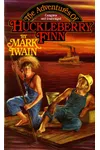
- Adventures of Huckleberry Finn (Published in the UK in late 1884, and in the US in early 1885) – Often hailed as a cornerstone of the Great American Novel, this direct sequel shifts focus to Huck and Jim, an enslaved man, escaping down the Mississippi River.
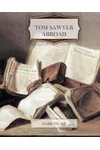
- Tom Sawyer Abroad (1894) – A lighter, satirical adventure where Tom, Huck, and Jim travel across the Atlantic and North Africa in a futuristic hot-air balloon.
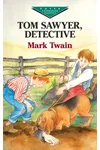
- Tom Sawyer, Detective (1896) – A quick, comedic novella featuring Tom and Huck solving a diamond heist and a murder mystery in Arkansas, parodying the popular Sherlock Holmes detective fiction of the late 19th century.
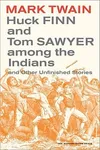
- Huck Finn and Tom Sawyer Among the Indians and Other Unfinished Stories (Published posthumously in 1989) – A collection of unfinished manuscripts, fragments, and character sketches compiled by scholars to preserve Twain's incomplete visions for the duo.
The Core Duology vs. The Later Spin-Offs
When most people think of Tom Sawyer and Huck Finn, they are thinking of the first two masterpieces. However, the contrast between these two main novels and the subsequent sequels is stark, both in tone and literary intent.
The Masterpieces: Tom Sawyer and Huckleberry Finn
The Adventures of Tom Sawyer is a nostalgic, warm, and highly structured look at the triumphs and trials of youth. It is packed with iconic scenes that have settled deep into global folklore—from Tom tricking his neighborhood friends into whitewashing a fence for him, to midnight cemetery escapades, runaway pirate games, and a dramatic search for buried treasure. It is fundamentally a story of boyhood adventure, though laced with Twain’s signature dry humor and gentle satire of small-town hypocrisy.
Adventures of Huckleberry Finn, on the other hand, represents a massive leap in maturity. Narrated in the first person by Huck himself, the book uses local, unvarnished dialects to explore themes of systemic racism, personal morality, and human freedom. As Huck rafts down the Mississippi River with Jim, he is forced to choose between the unjust laws of society (which brand Jim as property) and his own growing conscience (which recognizes Jim's humanity). The tone is significantly darker, more satirical, and deeply moving.
The Whimsical Sequels: Abroad and Detective
Almost a decade after finishing Huck’s masterpiece, Twain returned to his characters in two shorter, episodic works. These are generally viewed as lighter, comedic parodies rather than serious literature. Tom Sawyer Abroad plays on the popular adventure fiction of Jules Verne, setting the characters afloat in a hot-air balloon over the Sahara Desert. Meanwhile, Tom Sawyer, Detective is a fast-paced burlesque of detective mysteries, putting Tom's dramatic imagination to work solving a crime in Arkansas. Both are fun companion pieces but lack the emotional weight and social bite of the initial two books.
The Unfinished Manuscripts and Posthumous Fragments
Mark Twain frequently struggled with writer's block and left behind multiple incomplete drafts featuring his Missouri boys. In 1989, the University of California Press published Huck Finn and Tom Sawyer Among the Indians and Other Unfinished Stories as part of the scholarly Mark Twain Library project. This compilation offers an intriguing glimpse into the stories Twain started but could not finish.
The title fragment of this collection, written in 1884, takes Tom, Huck, and Jim onto the Great Plains and the Oregon Trail. Twain intended to contrast the romanticized portrayals of Native Americans found in the novels of James Fenimore Cooper with a grittier, more realistic depiction of frontier violence. However, the narrative took a dark turn that Twain found difficult to resolve, leading him to abandon the project. The collection also includes fragments like Tom Sawyer's Conspiracy—a nearly complete story where Tom tries to fabricate a massive fake conspiracy in his hometown—and autobiographical notes like Villagers of 1840-3, detailing the real-life Missouri residents who inspired Twain's characters.
Publication vs. Chronological Order
Because the events of the late-career spin-offs (Tom Sawyer Abroad and Tom Sawyer, Detective) exist in a floating timeline of the boys' perpetual youth, there is no major conflict between reading the books in chronological order or publication order. In both cases, the sequence is identical.
However, the dramatic shift in tone means that readers should calibrate their expectations. Jumping directly from the heavy moral weight and emotional peak of Huckleberry Finn into the whimsical balloon flights of Tom Sawyer Abroad can be jarring. For this reason, some fans prefer to treat the first two books as a self-contained literary experience, reserving the later books and posthumous fragments as curiosities for dedicated Mark Twain enthusiasts.
What to Know Before You Start
Before embarking on your journey down the Mississippi, keep a few contextual points in mind:
- Regional Dialect: Mark Twain was a pioneer in using authentic regional American dialects. While this gives the dialogue immense flavor and historic realism, it can require some initial adjustment for modern readers to parse, particularly in Huck's narrative.
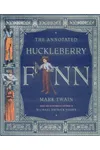
- Historical Language: Because the books reflect the pre-Civil War American South of the 1840s, they contain racial slurs and outdated terminology that are highly offensive today. Modern annotated editions (such as The Annotated Huckleberry Finn) are highly recommended to help place this vocabulary and these depictions in their proper historical and critical context.
- Standalone Value: If you only have time for one book, Adventures of Huckleberry Finn is widely considered the peak of Twain's artistic achievement. However, reading Tom Sawyer first provides a much-needed foundation for understanding the characters' relationships and histories.