
Introduction to Fury, Arizona
Saddle up and step into the dusty, thrilling world of the Town Called Fury series, a gripping Western saga where the untamed Arizona Territory tests the grit, survival skills, and moral character of every pioneer. Penned under the legendary byline of William W. Johnstone and continued by his niece J.A. Johnstone, this series follows Jason Fury, a reluctant leader who is thrust into marshaling a community of settlers through a gauntlet of Apache raids, cutthroat outlaws, and the unforgiving elements of nature. Unlike many classic Westerns that focus on a lone-wolf gunman wandering from town to town, this series stands out because it focuses heavily on community-building, resilience, and the birth of a frontier settlement from the ground up.
Whether you are a lifelong fan of the Western genre or a newcomer looking for a fast-paced, action-packed historical adventure, the Town Called Fury series offers a cinematic reading experience. In this guide, we break down the proper reading order, explore the publication history of the Johnstone estate, and provide a detailed look at each of the books that make up this short but beloved saga.
The Town Called Fury Recommended Reading Order
For the best reading experience, you should follow the publication order of the books. Because the series follows a continuous chronological timeline tracking the development of the town and the personal growth of its characters, reading them in order is highly recommended to avoid major plot spoilers.
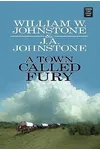
- A Town Called Fury (2006): The saga begins with a tragedy that forces young Jason Fury into a leadership role. When his father, Jedediah Fury, is killed in a Comanche ambush during a wagon train expedition, the surviving pioneers find themselves stranded. Rather than returning east, they decide to press forward into the hostile Arizona Territory. They establish a new settlement and name it 'Fury' in honor of their fallen wagon master. Jason is named the town marshal, tasked with defending the fragile community from Apache war parties, bandits, and internal conflicts.
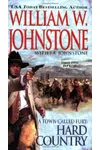
- Hard Country (2007): The second book checks in on the town of Fury, which has grown to a modest population of 112 residents. The elements prove to be just as dangerous as the outlaws, as the town faces severe droughts and devastating dust storms. Jason Fury, who originally dreamed of returning to a comfortable life back East, decides to stay and protect his home, motivated in part by his growing affection for the fiery Megan McDonald. As outlaw gangs threaten to wipe the town off the map, Jason must use every ounce of his grit to keep the community alive.
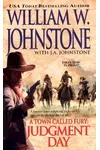
- Judgment Day (2007): In the third installment, the stakes are raised as the town of Fury faces a dual threat of hostile Apache warriors and opportunistic land grabbers. Sheriff Jason Fury must lead the townspeople in a desperate defensive struggle. The action is fast-paced and centers on themes of frontier justice, community solidarity, and the heavy price of establishing civilization in a lawless land.
- Redemption (2011): The final entry in the series shifts focus slightly with the arrival of Jonas Lynch, a notorious California gunman with a violent past who enters Fury seeking a peaceful start and spiritual redemption. While Lynch is helping the townspeople construct a new church, his past catches up to him in the form of a vengeful enemy and a relentless bounty hunter. Marshal Jason Fury is hesitant to trust the gunman, but the two are eventually forced into a violent showdown to protect the town from the bloodbath heading their way.
Publication Order vs. Chronological Order
In the case of the Town Called Fury series, the publication order and the chronological order are identical. The narrative begins with the initial wagon train journey and the founding of the town, advances through its early struggles against nature and outlaws, and concludes with its expansion and the construction of permanent community structures like the church. There are no prequels or complex timeline jumps, making it a very straightforward read. Readers should start with the first book, A Town Called Fury, and proceed sequentially to Redemption.
The Authorship and Legacy of the Johnstone Brand
To fully appreciate the series, it helps to understand how it was written. William W. Johnstone was a powerhouse in Western and survivalist fiction, publishing hundreds of books during his lifetime. He passed away in February 2004. The Town Called Fury series began publication posthumously in 2006 under the joint byline of 'William W. Johnstone and J.A. Johnstone.'
J.A. Johnstone, William's niece, was his longtime assistant, researcher, and typist. Following his death, she took over the management of his literary estate. To keep his legacy alive and satisfy the huge demand from his fanbase, the estate continued to produce books under this joint byline. While early marketing emphasized J.A. Johnstone's direct involvement in continuing her uncle's work, it is widely recognized among Western fiction historians and publishers that the books are written by a roster of talented, uncredited ghostwriters working under strict non-disclosure agreements. This system ensured that the signature style—characterized by rapid-fire action, clear-cut morals, historical settings, and a patriotic frontier spirit—was preserved for readers.
What to Know Before You Start
Before you dive into the series, here are a few tips to enhance your reading experience:
- Continuous Narrative: While many Western novels are written as standalone adventures, this series relies on continuity. The romance between Jason and Megan, the growth of the town, and the recurring characters build directly from one book to the next. Treat the four books as one large story.
- Historical Setting: The books are set in the Arizona Territory during the late 19th century. While the authors capture the rugged atmosphere, survival struggles, and historical dangers of the era, the geography and specific historical events are stylized for maximum dramatic effect.
- Classic Western Tone: The series features traditional Western tropes, including intense shootouts, clear distinctions between heroes and villains, and themes of community survival. If you enjoy classic Western TV shows like Wagon Train, Gunsmoke, or the books of Louis L'Amour, you will feel right at home.