

The Recommended Reading Order for The Trials of Apollo
The Trials of Apollo is the third major series in Rick Riordan's expansive modern mythological universe (often called the Camp Half-Blood Chronicles). It follows the former Greek god Apollo, who has been cast down to Earth as a mortal teenager named Lester Papadopoulos as punishment by his father, Zeus. To earn back his immortality, he must secure five ancient Oracles that have gone silent or been captured.
For the best reading experience, you should read the core series in its original publication order. The five primary novels tell a continuous, sequential story that takes place over the course of a single in-universe year:
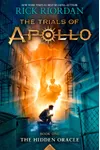
- The Hidden Oracle (2016)
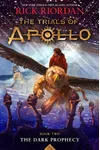
- The Dark Prophecy (2017)
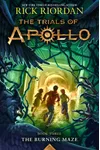
- The Burning Maze (2018)
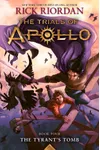
- The Tyrant's Tomb (2019)
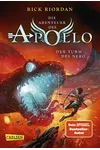
- The Tower of Nero (2020)
However, simply reading the core five books is only part of the story. There are companion novels, short stories, and spin-offs that directly affect or continue the narrative of the Trials of Apollo.
Where to Insert the Companion Books and Short Stories
If you want to read all related material, here is the expanded reading path including companion works:
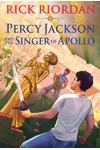
- Percy Jackson and the Singer of Apollo (2013 short story): Chronologically, this short story takes place before the events of the series. While not strictly required reading, it provides a fun, lighthearted introduction to Apollo's personality and his relationship with Percy Jackson. It can be read before starting The Hidden Oracle.
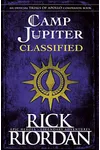
- Camp Jupiter Classified: A Probatio's Journal (2020 companion book): This spin-off novella is written in the style of a journal by the character Claudia, a legacy of Mercury at the Roman demigod camp. It is officially set around the same time as The Tyrant's Tomb. For the best flow, read it either directly before or immediately after The Tyrant's Tomb (Book 4), or save it for after you finish the main series.
Publication Order of The Trials of Apollo and Companion Works
If you prefer to read the books exactly as they were published—allowing you to experience the side-stories and companions in the order they were released to the public—follow this list:
- Percy Jackson and the Singer of Apollo (Short Story, 2013)
- The Hidden Oracle (Book 1, 2016)
- The Dark Prophecy (Book 2, 2017)
- The Burning Maze (Book 3, 2018)
- The Tyrant's Tomb (Book 4, 2019)
- Camp Jupiter Classified: A Probatio's Journal (Companion Book, May 2020)
- The Tower of Nero (Book 5, October 2020)
Note: Some international editions, such as the German translation Der Turm des Nero, were published simultaneously or shortly after the English release in late 2020.
Chronological Context: Where it Fits in the Wider Riordanverse
One of the most common questions readers have is where the Trials of Apollo fits within Rick Riordan's broader library. Because characters, storylines, and references carry over directly, you should not read the Trials of Apollo as a standalone project. It occupies a specific position in the overarching Camp Half-Blood timeline.
The chronological sequence of the major series is as follows:
- Percy Jackson and the Olympians (PJO Books 1–5)
- The Heroes of Olympus (HoO Books 1–5)
- The Trials of Apollo (ToA Books 1–5)
- The Sun and the Star (2023 Nico di Angelo spin-off)
- Percy Jackson and the Olympians Continued (The Chalice of the Gods and Wrath of the Triple Goddess)
Crucial Timeline Caveats
Although The Chalice of the Gods (2023) and Wrath of the Triple Goddess (2024) are branded as books 6 and 7 of the original Percy Jackson and the Olympians series, they actually take place chronologically before the Trials of Apollo. They follow Percy during his senior year of high school as he tries to get college recommendation letters from the gods. By contrast, the Trials of Apollo begins during the winter after Percy's senior year, leading into his first year of college.
Despite this chronological sequence, readers are strongly advised to read the Trials of Apollo before diving into the newer Percy Jackson books or the spin-off The Sun and the Star. Reading the newer releases first will spoil major character deaths, romantic status updates, and developmental milestones that occur during Apollo's five-book mortal quest.
What to Know Before You Start
Before embarking on Lester Papadopoulos's quest across North America, here are a few practical tips to keep in mind:
- Can they be read standalone? No. While Rick Riordan writes in an accessible style that briefly recaps past occurrences, the emotional stakes and character histories heavily rely on you knowing what happened in The Heroes of Olympus. Major plotlines in Trials of Apollo serve as direct resolutions to loose ends left at the end of The Blood of Olympus.
- The Tone is Different: Unlike Percy Jackson's narration, which is instantly heroic and selfless, Apollo starts the series as a highly arrogant, self-absorbed, and cowardly narrator. A major draw of the series is watching his painful, gradual growth into someone who understands the value of mortal sacrifice, friendship, and humility.
- The Nico di Angelo Connection: The popular demigod Nico di Angelo and his boyfriend Will Solace play major roles in the first and fifth books of this series. The events of The Tower of Nero set up their standalone journey in The Sun and the Star (co-authored by Riordan and Mark Oshiro), making the Trials of Apollo required homework for Nico fans.