
The Recommended Reading Order for Tudor Warrior
Griff Hosker’s Tudor Warrior series is a tightly written, chronological trilogy that follows a single protagonist, James of Ecclestone, as he navigates the bloody battlefields and treacherous backrooms of early Tudor England. Because the trilogy follows a strict linear timeline with no prequels or spin-offs, there is only one recommended path for readers. You should read the books in order of publication, which aligns perfectly with the internal chronology of James's life.
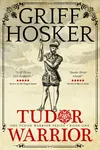
- Tudor Warrior (2022)
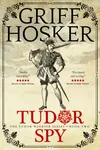
- Tudor Spy (2022)
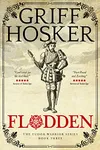
- Flodden (2023)
Detailed Guide to the Books
1. Tudor Warrior (2022)
The trilogy opens with Tudor Warrior, introducing us to James of Ecclestone, a wild and fatherless youth from Lancashire. Restless and seeking glory, James runs away from home to join the army of the newly crowned King Henry VII as a billman—a foot soldier armed with a pole weapon known as a bill. The book sweeps readers into the chaotic aftermath of the Battle of Bosworth Field, where Henry VII must defend his fragile crown against Yorkist rebels. James participates in the historic Battle of Stoke Field against the pretender Lambert Simnel and journeys to the continent for the Siege of Boulogne. Along the way, James evolves from a reckless boy into a lethal fighter and catches the eye of powerful men who recognize his sharp wits, leading to his first missions of stealth and espionage at Glastonbury Tor.
2. Tudor Spy (2022)
Set years later, Tudor Spy finds James hoping to leave his dangerous double life behind. The Yorkist pretender Perkin Warbeck has been executed, and James longs to settle down as a respectable landowner and family man on his estate. However, the Tudor crown is never truly secure, and Henry VII's spymasters have not forgotten James's unique skills. Dragged back into the shadows of political espionage, James must navigate a web of secrets, court politics, and deadly assassins. As Henry VII's reign draws to a close and the young Henry VIII ascends the throne, James finds himself serving a new king. The book pivots from open battlefield warfare to the gritty realism of Tudor street espionage and castle conspiracies.
3. Flodden (2023)
The final installment, Flodden, brings James's saga to a dramatic conclusion. Now older, wealthy, and deeply devoted to his family, James wants nothing more than peace. But when Scottish forces under King James IV threaten northern England, and Henry VIII is busy campaigning in France, the English crown calls upon its veteran warriors. James is forced to take up his armor and espionage duties once more. The story culminates in the brutal and bloody Battle of Flodden Field in 1513. Hosker depicts this catastrophic clash with historical accuracy, focusing on the perspective of the common English billmen and archers who held the line against the Scottish pikes. It serves as a fittingly heroic send-off for James of Ecclestone's journey.
Chronology vs. Publication Order: What You Need to Know
For some long-running historical fiction series, readers often debate whether to read by publication year or chronological setting. Fortunately, there is no such confusion here. Griff Hosker wrote the Tudor Warrior trilogy sequentially, tracking James's progression from a teenage recruit in 1485 to a mature veteran in 1513. Skipping ahead to Tudor Spy or Flodden will spoil major character developments, family relationships, and the resolution of historical conspiracies. Standalone reading is technically possible because Hosker briefly recaps major events, but you will get a far richer experience starting from the beginning.
What to Know Before You Start: Historical Background & Combat Style
Before diving in, it helps to understand the historical context and the distinctive military focus of Hosker's storytelling. Unlike many Tudor novels that focus on the scandalous romances of Henry VIII's court, this series highlights the gritty military realities of the late 15th and early 16th centuries. Here is what makes the series stand out:
- The Early Tudor Context: The trilogy bridges the gap between the Wars of the Roses and the high-Tudor era of Elizabeth I. You get a front-row seat to the reigns of Henry VII and the early years of Henry VIII, showing how the Tudor dynasty consolidated its power against lingering Yorkist loyalists.
- The Role of the Billman: Most medieval fiction glorifies knights and longbowmen. Hosker shines a spotlight on the billmen—the heavy infantry of the English army. Readers learn about the tactics, training, and brutal efficiency of the bill (a hook-and-spike staff weapon) in close-quarters combat.
- Espionage and Statecraft: While the series has plenty of battlefield action, it is equally a spy thriller. It explores the early network of royal informants and crown agents that preceded the more famous Elizabethan spy networks of Walsingham.