

Where to Start with Van der Valk
For the best experience, you should start reading Nicolas Freeling’s Van der Valk series in publication order. The series is heavily character-driven and follows the life, marriage, and career of Inspector Piet van der Valk, meaning his personal growth and relationships unfold naturally from one book to the next. The absolute best place to start is the debut novel, Love in Amsterdam (1962), which introduces Piet’s intuitive, Maigret-like interrogation methods, his French wife Arlette, and the atmospheric Dutch setting that defines the series.
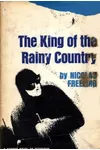
If you want a standalone taste of the series' peak critical acclaim before committing to the whole run, you could jump to The King of the Rainy Country (1966), which won the Edgar Award. However, because of a major mid-series twist that permanently alters the status quo, reading the books in order is highly recommended to avoid massive spoilers.
Publication Order of the Van der Valk Books
Here is the complete list of the 13 novels in their original release order. Note that many of these books were published under different titles in the United States and the United Kingdom:
- Love in Amsterdam (1962) – Also published as Death in Amsterdam
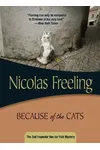
- Because of the Cats (1963)
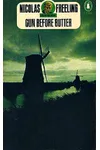
- Gun Before Butter (1963) – Also published as A Question of Loyalty
- Double-Barrel (1964)
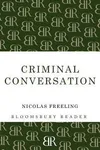
- Criminal Conversation (1965)
- The King of the Rainy Country (1966)
- Strike Out Where Not Applicable (1967)
- Tsing Boum (1969) – Also published as Tsing-Boum!
- The Lovely Ladies (1971) – Also published as Over the High Side
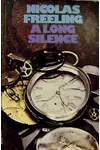
- A Long Silence (1972) – Also published as Auprès De Ma Blonde
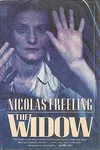
- The Widow (1979)
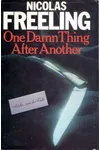
- One Damn Thing After Another (1981) – Also published as Arlette
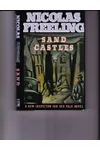
- Sand Castles (1989)
Chronological Continuity & The Great "Van der Valk" Twist
The timeline of the series is straightforward until you hit the tenth book, A Long Silence (1972). Nicolas Freeling grew increasingly tired of writing the Amsterdam detective and took the radical step of killing Piet van der Valk off near the end of the novel. The remaining pages are left to his wife, Arlette, to resolve the investigation.
Following this, Freeling shifted focus to two spin-off novels—The Widow (1979) and One Damn Thing After Another (1981)—which follow Arlette as she moves to Strasbourg, remarries, and establishes her own advisory agency. These books are official continuations of the timeline, focusing on Arlette’s perspective.
However, the chronological order hits a major caveat with the final book, Sand Castles (1989). Seventeen years after killing his detective, Freeling decided to write one last Van der Valk novel. Rather than utilizing a complex prequel framing or explaining away the death, Freeling simply ignored the events of A Long Silence entirely, presenting Piet as alive, retired, and vacationing with Arlette. For readers seeking strict chronological consistency, Sand Castles should be read as an alternate-universe installment or placed before A Long Silence on your shelf.
Subseries and Focus Shifts
The series can be divided into two distinct eras:
The Piet van der Valk Era (Books 1–10, 13)
This is the core of the franchise, focusing on Piet's work with the Amsterdam police. These books are known for their philosophical, character-driven mysteries, and the domestic warmth provided by Piet and Arlette’s relationship. Notable titles include Gun Before Butter, which won the Grand Prix de Littérature Policière, and Because of the Cats, which tackles youth gangs in the post-war Netherlands.
The Arlette Solo Era (Books 11–12)
In The Widow and One Damn Thing After Another, the narrative transitions to Arlette. Freeling uses this shift to explore Strasbourg, France, and to examine how a widow rebuilds her life. Arlette is a highly capable protagonist, relying on her sharp wit and independent spirit rather than official police authority.
What to Know Before You Start
Nicolas Freeling was not a traditional mystery writer. If you are expecting fast-paced action or formulaic whodunits, you might be surprised. Inspired by Georges Simenon's Maigret, Freeling focused on the psychological motivations of criminals and the sociological landscape of Europe. Amsterdam is not just a backdrop; the canals, cafes, and changing social structures of the 1960s and 70s act as active forces in the stories.
Additionally, keep in mind that Freeling has no co-authored books in this series; every novel was penned solely by him. He did, however, write another long-running police procedural series starring French inspector Henri Castang, which shares a similar literary tone but features no direct crossovers with the Van der Valk storyline.
Television Adaptations
Piet van der Valk's adventures have made a significant impact on television, spanning two major eras:
- The Original ITV Series (1972–1992): Starring Barry Foster, this long-running British television adaptation capture the moody atmosphere of Amsterdam. It is widely remembered for its iconic instrumental theme song, "Eye Level," which topped the UK charts. The show took major liberties with the books, choosing to ignore Piet's mid-series death and focusing on standalone police investigations.
- The Modern Reboot (2020–Present): Starring Marc Warren, this contemporary ITV/PBS Masterpiece adaptation updates the setting to 21st-century Amsterdam. While it retains Piet’s cynical edge and his partnership with Arlette (who is reimagined in the television continuity), the episodes feature brand-new characters, modern plots, and updated police dynamics.