

How to Read the Venice Vampyr Series
The Venice Vampyr series is best read in its publication order. While each novella features a standalone romance focusing on a different couple, reading them in order allows you to fully appreciate the world-building, recurring characters, and the lush, secretive society of vampires living alongside mortals in 1800s Venice.
Here is the recommended reading path for the series:
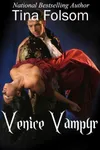
- Venice Vampyr (Book 1) (2010) – Follows the wealthy widow Isabella Tenderini and the vampire Raphael di Santori, whom she rescues from a canal.
- Final Affair (Book 2) (2011) – Follows the terminally ill Viola Costa and the vampire Dante as they navigate a whirlwind of desire in Venice's shadowy clubs.
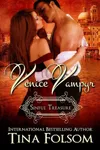
- Sinful Treasure (Book 3) (2011) – Introduces the vampire rake Lorenzo Conti and Bianca, who are brought together by a quest for a hidden treasure.
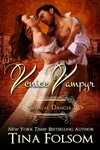
- Sensual Danger (Book 4) (2013) – Follows the established, passionate, and humorous relationship between the vampire Nico and his headstrong wife Oriana.
- Wicked Seduction (Book 5) (2017) – Written by Michele Hauf in collaboration with Tina Folsom, this installment follows the vampire Marcello Sebastiani as he fights to prove ownership of his ancestral palazzo alongside the headstrong Jane.
Publication Order vs. Chronological Order
Since the events of the series flow sequentially through early 19th-century Venice, the publication order matches the chronological order. There are no prequels or complex timeline jumps to worry about, making it straightforward for new readers to jump right in with the first book, Venice Vampyr.
The Shared Universe: Connecting to Scanguards Vampires
Although the Venice Vampyr series is a historical romance set in the 1800s and Tina Folsom's mega-popular Scanguards Vampires is a contemporary series, they exist within the author's broader paranormal romance universe. While you do not need to read Scanguards to understand Venice Vampyr, fans of Folsom's writing will recognize the signature blend of high-heat romance, alpha heroes, and supernatural intrigue. Occasional crossover themes and Easter eggs link her various vampire series, offering a cohesive world for dedicated readers.
What to Know Before You Start
Before diving into the canals of Venice, readers should expect a highly sensual, unapologetically erotic tone. The novellas are fast-paced and focus heavily on character chemistry. Because they are historical, some readers note that the dialogue can carry a slightly formal, old-world tone, which enhances the immersive atmosphere of 19th-century Italy. While the first four novellas were self-published by Tina Folsom, the fifth book, Wicked Seduction, marks an exciting collaboration written by paranormal romance author Michele Hauf, expanding the universe with the story of Marcello and Jane.