


How to Read the Veteran of Rome Series
If you are planning to plunge into the muddy, blood-soaked frontiers of William Kelso's Roman saga, the recommended approach is to read the books in their internal chronological order rather than strict publication order. While the author began publishing this world in 2007, the narrative was later structured to flow chronologically starting with Caledonia. Reading chronologically allows you to watch the multi-generational family saga unfold seamlessly, following the grizzled veteran Corbulo, his estranged son Marcus, and eventually his ambitious grandson Fergus.
The Veteran of Rome Reading Orders
Below, you will find both the recommended chronological sequence and the publication order. Keep an eye out for a few quirks in how these books were released and cataloged.
Chronological Reading Order (Recommended)
This is the best pathway for readers who want to follow the linear timeline of the characters' lives and the historical campaigns of the Roman Empire:
- Caledonia (Set in 83 AD / Published 2013)
- Hibernia (Set in 86 AD / Published 2014)
- Britannia (Set in 89 AD / Published 2015)
- Hyperborea (Set in 103 AD / Published 2016)
- Germania (Set in 105 AD / Published 2007)
- Armenia Capta (Set in 113 AD / Published 2017)
- The Dacian War (Set in 105 AD / Published 2017)
- Rome and the Conquest of Mesopotamia (Set in 115-116 AD / Published 2018)
- Veterans of Rome (Set in 116 AD / Published 2018)
Publication Order
If you prefer to read the books in the exact order the author wrote and released them, follow this path:
- Germania (2007)
- Caledonia (2013)
- Hibernia (2014)
- Britannia (2015)
- Hyperborea (2016)
- Armenia Capta (2017)
- The Dacian War (2017)
- Rome and the Conquest of Mesopotamia (2018)
- Veterans of Rome (2018)
Understanding the Timeline Quirks
The reading order for this series features two major quirks that frequently confuse new readers. The first is Germania. Although it was published first in 2007, it takes place in the summer of 105 AD, placing it fifth in the chronological sequence. In Germania, we meet a nineteen-year-old Fergus, Marcus's son, who is attempting to live up to the legacy of his grandfather Corbulo.
The second quirk involves The Dacian War and Armenia Capta. Both books were published in 2017. Historically and internally, The Dacian War is set in early autumn 105 AD, while Armenia Capta begins in July 113 AD (picking up seven years after the events of Dacia). However, standard library and retail databases often list Armenia Capta as Book 6 and The Dacian War as Book 7. Chronologically, you should read The Dacian War first to understand the transition from the mid-point of the saga into the Eastern campaigns under Emperor Trajan.
Book-by-Book Guide to the Saga
1. Caledonia (2013)
The saga begins in the autumn of 83 AD, shortly after the Battle of Mons Graupius. We are introduced to Corbulo, a grizzled legionary veteran seeking redemption after a lifetime of violence has alienated him from his family. Corbulo travels into the wild, hostile territory of Scotland (Caledonia) to uncover a dark secret that could alter Rome's northern strategy forever.
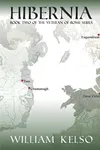
2. Hibernia (2014)
Set in the spring of 86 AD, this installment finds Corbulo retired and running a business in Londinium. However, peace is short-lived. Caught in a web of political conspiracy, Corbulo must cross the Irish Sea to Hibernia (Ireland) to protect his family name. The book offers a fascinating look at the historical, though undocumented, Roman interest in Ireland.
3. Britannia (2015)
Setting the clock to 89 AD, the narrative returns to the Roman province of Britannia. Tensions are rising, and the fragile peace on the northern border is threatened by local tribal uprisings. This book further explores the relationship between Corbulo and his son Marcus, showing how the weight of Roman duty strains family ties.
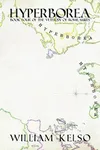
4. Hyperborea (2016)
Set during the winter of 103 AD, this book follows Marcus as he returns home to Britannia after surviving the brutal campaigns on the Dacian frontier. The story serves as a bridge, shifting focus to the next generation of the family as Marcus struggles to adjust to civilian life while danger looms close to home.
5. Germania (2007)
Set in the summer of 105 AD, this is where the timeline catches up to Kelso's original publication. Marcus has gone missing after a sea voyage, leaving his family on the Isle of Vectis in despair. Meanwhile, his nineteen-year-old son Fergus has joined the legions at Deva Victrix, desperate to emulate his grandfather Corbulo's military achievements.
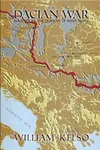
6. The Dacian War (2017)
Beginning in the autumn of 105 AD, this action-packed novel plunges Marcus and Fergus into the gold-rich hills of Dacia (modern-day Romania). Emperor Trajan's legions face the fierce warriors of King Decebalus, combining grand military tactics with the intimate, gritty perspective of front-line soldiers.
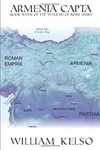
7. Armenia Capta (2017)
Opening in July 113 AD, this book leaps ahead seven years to the beginning of Trajan's grand eastern campaigns. Fergus is now a seasoned soldier, and the setting shifts to the dusty deserts of the East. The story captures the heat, logistics, and political intrigue of Rome's push against the Parthian Empire.
8. Rome and the Conquest of Mesopotamia (2018)
Continuing the eastern campaigns, this installment covers the peak of Trajan's expansion. Set in 115-116 AD, the Roman army marches into Mesopotamia, navigating unfamiliar territory and guerrilla warfare. Kelso uses this setting to draw subtle parallels to modern desert conflicts, highlighting the timeless struggles of occupation.
9. Veterans of Rome (2018)
The final book in the core saga wraps up in late 116 AD. As rebellions flare up across the newly conquered eastern provinces, Fergus finds himself caught in a desperate retreat that tests the limits of Roman power. It is a fitting conclusion to a trilogy of trilogies, showing the ultimate cost of imperial glory on a single family.
What to Know Before You Start
William Kelso's writing is characterized by its gritty realism, lack of romanticized fluff, and focus on the practical details of Roman military life. The series is self-published, meaning you may occasionally run into minor editing quirks, but the fast pacing, strong character dynamics, and deep historical research more than compensate. If you finish this series and crave more ancient military fiction, Kelso has also written the extensive Soldier of the Republic series, which follows Roman campaigns during the Republican era.