
How to Read the Welsh Princes Series
For the best reading experience, the Welsh Princes trilogy (often called the Llywelyn Trilogy) should be read in order of publication. Because the series functions as a sweeping, multi-generational historical epic, reading them chronologically is identical to their publication order. Reading them out of order will spoil major historical events, character fates, and the natural progression of the geopolitical struggle between England and Wales.
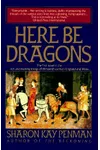
- Here Be Dragons (1985) – Covers the years 1183 to 1232. It introduces Llewelyn the Great and his complex marriage to Joanna, the illegitimate daughter of England's King John.
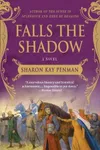
- Falls the Shadow (1988) – Covers the years 1231 to 1267. This book bridges the generation gap, focusing on Simon de Montfort's rebellion against King Henry III and the rise of Llewelyn the Great’s heirs.
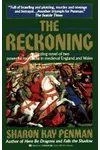
- The Reckoning (1991) – Covers the years 1271 to 1283. The tragic finale focuses on Llewelyn ap Gruffydd (Llewelyn the Last) and his desperate conflict against King Edward I.
The Broader Chronological Reading Order
While the Welsh Princes books stand perfectly on their own, Sharon Kay Penman also wrote a massive, interconnected sequence of novels exploring the English Plantagenet dynasty. If you want to read her entire medieval catalog in chronological order, the Welsh Princes trilogy fits directly into the middle of the timeline. Here is how they connect:
- When Christ and His Saints Slept (1995) – Explores the Anarchy period (1101–1154).
- Time and Chance (2001) – Explores Henry II and Eleanor of Aquitaine (1156–1171).
- Devil's Brood (2008) – The rebellion of Henry II's sons (1172–1189).
- Lionheart (2011) – Follows Richard the Lionheart on the Third Crusade (1189–1192).
- A King's Ransom (2014) – Follows Richard the Lionheart's return and final years (1192–1199).
- Here Be Dragons (1985) – The Welsh Princes Book 1 (1183–1232). Note that the beginning of this novel overlaps chronologically with the end of the Richard I books.
- Falls the Shadow (1988) – The Welsh Princes Book 2 (1231–1267).
- The Reckoning (1991) – The Welsh Princes Book 3 (1271–1283).
- The Sunne in Splendour (1982) – Penman's debut standalone novel set during the Wars of the Roses (1459–1492), serving as the chronological epilogue to her medieval library.
Detailed Book Breakdown
1. Here Be Dragons
Published in 1985, this masterpiece lays the groundwork for the entire trilogy. The story centers on Llewelyn ab Iorwerth (Llewelyn the Great) as he fights to unite the fractured Welsh kingdoms under his rule. To secure peace with England, Llewelyn marries Joanna, the illegitimate daughter of King John. What begins as a political alliance develops into a deep, complicated love story. The narrative masterfully details the emotional torture Joanna experiences, torn between her devotion to her husband and her love for her volatile father, King John.
2. Falls the Shadow
The second book, published in 1988, shifts its focus slightly to the English side of the border while keeping the Welsh struggle central to the plot. The story highlights Simon de Montfort, a French noble who marries the sister of King Henry III and eventually leads a rebellion against the crown to establish a representative parliament. Alongside Simon's story, we see the heirs of Llewelyn the Great attempting to maintain control of Wales as internal division and English pressure threaten to undo everything Llewelyn built.
3. The Reckoning
The final book in the trilogy, published in 1991, brings the saga of independent Wales to a heart-wrenching close. It follows Llewelyn ap Gruffydd, the grandson of Llewelyn the Great, as he navigates the dangerous political waters of the late 13th century. Facing the ruthless ambition of King Edward I (Longshanks), Llewelyn fights a losing battle to preserve Wales' sovereignty. The novel is widely regarded by fans as one of the most emotionally devastating historical novels ever written, dealing heavily with themes of duty, sacrifice, and the end of an era.
What to Know Before You Start
Before diving into the rugged hills of Snowdonia and the courts of Westminster, readers should keep a few practical tips in mind. Penman's style is dense, rich, and heavily populated with historical figures. Keeping track of names can be challenging, especially since many historical figures share names (like Llewelyn, Henry, or John). Most editions include genealogical charts and character lists; referencing these early on will prevent confusion.
Furthermore, Penman is highly respected for her historical accuracy. She rarely alters historical timelines for dramatic convenience. If she does make a minor change, she always explains it in her extensive Author's Note at the end of the book. Reading these notes is highly recommended, as they offer fascinating insights into her research process and explain the historical reality behind the characters' fates.
Practical Reading Guidance
Can these books be read as standalones? Technically, yes, but it is not recommended. Each book features a distinct set of main characters as time moves forward, but the political ramifications of the previous generations directly dictate the actions of the characters in the next. The emotional impact of The Reckoning is vastly heightened if you have witnessed Llewelyn the Great's struggles in Here Be Dragons.
There are no major reading order disagreements among the fandom. Unlike fantasy series with complex prequel releases, the publication order of the Welsh Princes trilogy is universally accepted as the definitive way to experience the story. If you enjoy the blend of romance, politics, and military strategy, transitioning into the Plantagenet series afterwards is the perfect way to continue your journey through Penman's medieval world.