



The Recommended Reading Order for West Creek Middle School
The West Creek Middle School series, written by children's author and former philosophy professor Claudia Mills, is a classic of realistic middle-grade fiction. The series consists of five books published between 1997 and 2005. Each novel shifts perspective to focus on a different student attending the same Colorado middle school.
For the best reading experience, it is highly recommended to read the series in publication order. Because the books follow the same class of students as they progress from sixth to seventh grade, reading them in order allows you to see characters grow, track evolving friendships, and witness how major events ripple through the school's social circles.
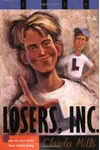
- Losers, Inc. (1997)
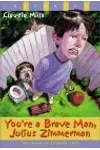
- You're a Brave Man, Julius Zimmerman (1999)
- Lizzie at Last (2000)
- Alex Ryan, Stop That! (2003)
- Makeovers by Marcia (2005)
Chronological Order vs. Publication Order
In the West Creek Middle School universe, the publication order and the chronological order are identical. The timeline flows sequentially from the start of the characters' sixth-grade year through their seventh-grade year. While each book works perfectly well as a standalone story, reading them out of order may spoil minor character developments and relationship updates from previous books.
For example, Julius Zimmerman is introduced as the sidekick to Ethan Winfield in the first book, Losers, Inc., before stepping into the spotlight for his own summer and seventh-grade adventures in the second book. Similarly, the growing dynamic between the class clown Alex Ryan and the fashion-conscious Marcia Faitak develops across the final two books, making their individual stories much more satisfying when read in sequence.
Book-by-Book Breakdown
1. Losers, Inc. (1997)
The series begins with Ethan Winfield, a sixth-grader who feels completely overshadowed by his older brother's perfect reputation. To cope, Ethan and his best friend Julius Zimmerman form a exclusive club called 'Losers, Inc.' and commit to being underachievers. However, Ethan's devotion to the loser lifestyle is tested when a charming new student teacher, Grace Gunderson, joins their classroom, prompting him to rethink his self-worth and effort.
2. You're a Brave Man, Julius Zimmerman (1999)
The second book shifts the focus to Julius Zimmerman as he prepares to enter seventh grade. Julius is under intense pressure from his mother, who enrolls him in a summer French class and coordinates a babysitting job for him. Through a series of humorous misadventures, Julius learns to navigate parental expectations, discover his own unique talents, and find the confidence to speak up for himself.
3. Lizzie at Last (2000)
Lizzie Archer is a brilliant student who loves Victorian poetry, but as she enters the seventh grade, she becomes desperate to shed her 'nerd' label. In an attempt to fit in with the popular crowd, Lizzie attempts a complete social and aesthetic makeover. The novel explores the pressures of peer conformity and the ultimate importance of staying true to oneself.
4. Alex Ryan, Stop That! (2003)
Alex Ryan is the class clown, known for his relentless pranks and wisecracking behavior. Underneath his humor lies a deep desire to impress his demanding father and win the attention of his classmate, Marcia Faitak. During a school field trip, Alex's stunts go too far, forcing him to confront the difference between being laughed with and being laughed at.
5. Makeovers by Marcia (2005)
The final book in the series centers on Marcia Faitak, who is preoccupied with makeup, fashion, and her image. When Marcia is assigned a community service project at a local nursing home, she is forced to step outside her comfort zone. Through her interactions with the residents, Marcia learns valuable lessons about empathy, aging, and the nature of true inner beauty.
What to Know Before You Start
Claudia Mills brings a distinct background in philosophy and ethics to these stories. Rather than presenting simple moral lessons, the books offer gentle, realistic explorations of identity, self-acceptance, and personal responsibility. The suburban middle school setting is rendered with humor and warmth, capturing the typical struggles of early adolescence—such as school projects, cliques, and first crushes—in a way that remains relatable to young readers today.
For readers who finish the series and want more of Claudia Mills' school-based stories, her Dinah series (beginning with Dynamite Dinah) and her Franklin School Friends series are excellent companion reads that feature a similar focus on everyday friendships and moral growth.