

Where to Begin: The Recommended Reading Path
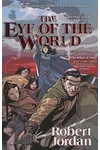
With 14 main novels, a prequel, companion guides, and multiple deleted short stories, tackling The Wheel of Time can feel as daunting as facing the Dark One himself. The golden rule for first-time readers is simple: start with Book 1, The Eye of the World, and read in publication order. Avoid starting with the prequel, New Spring, even though it takes place chronologically first. The prequel assumes familiarity with the world's magic, terminology, and key political factions, and reading it first spoils some of the mystery surrounding characters like Moiraine Damodred and Lan Mandragoran.
For your first journey through the Pattern, follow the main sequence from beginning to end, inserting the prequel and supplementary materials at strategic points once you are already hooked on the lore.
The Core Saga: Detailed Publication Order
Robert Jordan began this epic high fantasy in 1990. Following his tragic passing in 2007, Brandon Sanderson was chosen by Jordan’s widow and editor, Harriet McDougal, to complete the series using Jordan's extensive dictations and notes. The final books were expanded from a single planned volume into a legendary three-part conclusion.
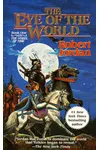
- The Eye of the World (1990) – The adventure begins in the quiet village of Emond's Field, where Rand al'Thor and his friends are forced to flee from Shadowspawn.
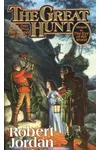
- The Great Hunt (1990) – The hunt is on for the Horn of Valere, a mythical artifact capable of summoning dead heroes of legend.
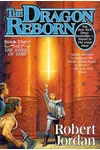
- The Dragon Reborn (1991) – Prophecies begin to solidify as the chase leads to the legendary fortress known as the Stone of Tear.
- The Shadow Rising (1992) – Widely considered a series high point, this book expands the world dramatically, taking readers into the Aiel Waste and deepening the history of the world.
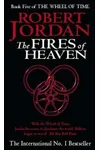
- The Fires of Heaven (1993) – The war against the Forsaken intensifies as Rand consolidates his power.
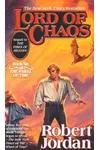
- Lord of Chaos (1994) – Culminating in the legendary Battle of Dumai's Wells, this volume changes the political and magical landscape forever.
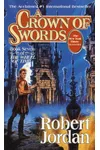
- A Crown of Swords (1996) – Rand seeks to hunt down the rogue Forsaken Sammael in the city of Illian.
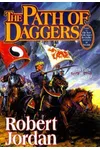
- The Path of Daggers (1998) – Seanchan invaders press their attack while the weather patterns of the world become increasingly unstable.
- Winter's Heart (2000) – Highlighting a major turning point in the magic system as Rand attempts to cleanse the male half of the One Power (saidin).
- Crossroads of Twilight (2003) – A slower-paced, reaction-focused novel showing the simultaneous events occurring across the world following the climax of the previous book.
- New Spring (2004) – The prequel novella expanded into a full novel, focusing on Moiraine and Lan's search for the newborn Dragon Reborn.
- Knife of Dreams (2005) – Robert Jordan’s final solo novel. It accelerates the pacing dramatically, resolving major storylines and preparing the world for the Last Battle (Tarmon Gai'don).
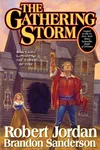
- The Gathering Storm (2009) – The first co-authored book completed by Brandon Sanderson. It focuses heavily on Rand's psychological struggle and Egwene's stand inside the White Tower.
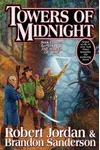
- Towers of Midnight (2010) – The penultimate volume, bringing parallel timelines back into alignment and focusing on Perrin Aybara and Mat Cauthon.
- A Memory of Light (2013) – The final book, featuring a massive, 200-page single chapter depicting the Last Battle.
The Prequel Dilemma: When to Read New Spring?
Because New Spring was published in 2004 (between Books 10 and 11), its placement remains a hot topic of debate among fans. You have three primary options for inserting this book into your reading order:
Option A: Pure Publication Order (Recommended)
Read New Spring right after Book 10, Crossroads of Twilight. This matches the original publication flow. It also serves as a perfect palette cleanser after the slower pacing of Book 10, injecting fresh excitement before Jordan’s final epic solo book, Knife of Dreams.
Option B: The Mid-Series Breather
Read New Spring right after Book 5, The Fires of Heaven. By this point, you have completed the initial introductory arc of the series and understand the core mythology of the Aes Sedai, making the prequel's political maneuvering easy to follow. It also provides extra emotional depth for Moiraine and Lan just as their plotlines hit significant milestones in the main series.
Option C: The Nostalgic Coda
Save New Spring until after you have finished the final book, A Memory of Light. After finishing the massive, emotional conclusion of the saga, returning to a simpler, quieter time in the characters' lives provides a comforting farewell to the universe.
Side Stories, Companions, and Deleted Scenes
If you want to experience every scrap of lore Jordan and Sanderson left behind, there are several supplementary works to explore:
- The Strike at Shayol Ghul (1996) – A brief, canonical, in-universe history detailing the sealing of the Bore by Lews Therin Telamon and his companions. It is available to read for free online via major fan sites like Dragonmount.
- River of Souls (2013) – A canonical short story published in the Unfettered anthology. It details Demandred's trials in the mysterious land of Shara, which occurred off-screen during the final books. Read this after or alongside Book 14.
- A Fire in the Ways (2019) – A deleted sequence from the final books published in the Unfettered III anthology. It features Perrin Aybara navigating the dangerous, corrupted Ways. Note: This story is considered non-canonical as its events contradict the final published version of A Memory of Light, but it remains a fun piece of lore for enthusiasts.
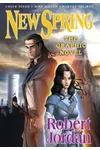
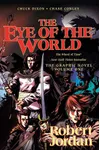
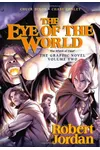
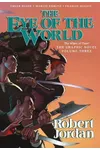
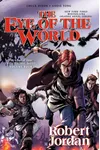
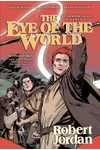
- Graphic Novels – Adapted versions of New Spring (2011) and The Eye of the World (vols 1-6, 2011-2015) offer a visual entry point to the story, though they do not replace the novels.
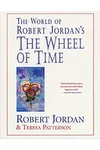
- The World of Robert Jordan's The Wheel of Time (1997) – Also known by fans as the "Big White Book of Bad Art" due to its dated illustrations, this volume provides massive historical background on the nations, factions, and the Age of Legends.
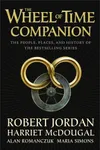
- The Wheel of Time Companion (2015) – A comprehensive encyclopedia released after the series concluded, detailing characters, terms, and power levels.
What to Know Before You Start
To fully enjoy The Wheel of Time, keep these key points in mind:
- The Magic System: The One Power is split into two halves: the female half (saidar) and the male half (saidin). At the start of the series, the male half is corrupted, driving any man who channels it slowly insane. This dynamic drives much of the series' tension.
- "The Slog": Fans often refer to Books 7 through 10 as "the slog," a period where the pacing slows down as Jordan coordinates dozens of simultaneous plotlines across the world. Do not give up! Book 11 completely restores the fast pacing, leading directly into Sanderson's action-packed finale.
- Co-Authorship Transition: Brandon Sanderson does a phenomenal job finishing the series, but his writing style is slightly different. The transition in Book 12 is noticeable but widely praised for breathing new life into the story.