


Where to Start with the White Indian Series
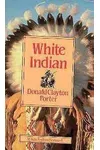
If you are looking to dive into this sprawling, action-packed historical saga, the path forward is straightforward: you should start at the very beginning with White Indian (1979). The series is structured as a continuous, multi-generational family epic that moves forward chronologically. Reading the books out of order will spoil major character deaths, shifting tribal leadership, and the evolution of the family lineage.
The saga follows Renno, a white child adopted and raised as a Seneca warrior, and traces his family’s descendants across more than a century of American history. Because each book builds directly on the alliances, conflicts, and family developments of the last, jumping in midway will leave you confused about who is related to whom and why certain tribes are at war or peace with the European powers.
The Timeline: Publication Order vs. Chronological Order
For the White Indian series, publication order and chronological order are identical. The story begins in the late 1600s in colonial America and moves steadily forward through major historical milestones, wrapping up around the War of 1812 and its immediate aftermath in 1815. There are no prequels or complex timeline jumps to worry about. Follow the release dates, and you will follow the timeline perfectly.
Understanding the Generations of the Seneca Saga
One of the most rewarding aspects of reading the White Indian series is watching the generational torch pass from parent to child. The 28-book run can be loosely grouped by the primary protagonist of each generation:
- The Renno Era (Books 1–8): These books establish the series, focusing on Renno as he navigates his dual identity, fights for the Seneca, falls in love with the Englishwoman Deborah, and travels to London to negotiate with the King.
- The Ja-gonh Era (Books 9–16): The focus shifts to Renno’s son, Ja-gonh, who inherits the mantle of leadership. This era deals heavily with intertribal alliances, expanding colonial conflicts, and the growing tensions leading up to the American Revolution.
- The Ghonkaba and Descendants Era (Books 17–28): Renno's grandson Ghonkaba becomes the focal point, steering the family through the Revolutionary War and the turbulent decades that followed, leading into the War of 1812 and the final volume, Medicine Shield.
The "Fiction Factory": Who Wrote White Indian?
The White Indian series is credited to "Donald Clayton Porter," but this was actually a house pseudonym created by Book Creations, Inc. (BCI). BCI was a famous book packaging agency founded by Lyle Kenyon Engel, often called a "fiction factory." BCI was responsible for generating massive, multi-volume historical paperbacks during the 1970s and 1980s, including the famous Wagons West series.
The original and primary author behind the Donald Clayton Porter name was the highly prolific American novelist Noel B. Gerson. Gerson wrote the first half of the series, weaving his signature blend of fast-paced military skirmishes, romantic drama, and soap-opera style cliffhangers. Gerson passed away in November 1988, yet the series continued under the Donald Clayton Porter name until 1996. BCI hired ghostwriters to complete the final 12 books of the saga, ensuring Gerson’s vision of the family epic reached its planned conclusion.
The Complete White Indian Reading Order List
Here is the full list of the White Indian books in their correct reading order, matching the local database records:
- White Indian (1979)
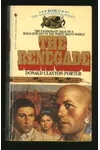
- The Renegade (1980)
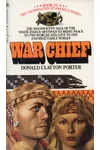
- War Chief (1980)
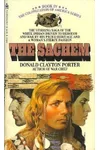
- The Sachem (1981)
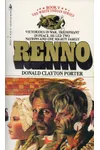
- Renno (1981)
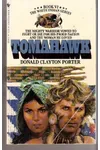
- Tomahawk (1982)
- War Cry (1983)
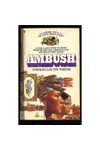
- Ambush (1983)
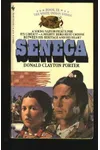
- Seneca (1984)
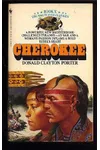
- Cherokee (1984)
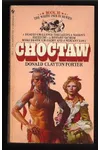
- Choctaw (1985)
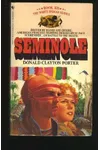
- Seminole (1986)
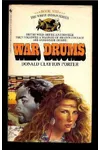
- War Drums (1986)
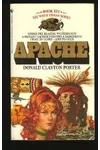
- Apache (1987)
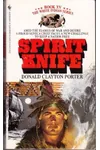
- Spirit Knife (1988)
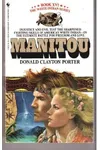
- Manitou (1988)
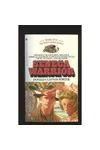
- Seneca Warrior (1989)
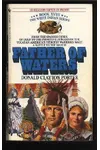
- Father of Waters (1989)
- Fallen Timbers (1990)
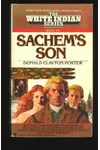
- Sachem's Son (1990)
- Sachem's Daughter (1991)
- Seneca Patriots (1991)
- Hawk's Journey (1992)
- Father and Son (1993)
- War Clouds (1994)
- Red Stick (1994)
- Creek Thunder (1995)
- Medicine Shield (1996)
What to Know Before You Start
Before cracking open the first page, it is helpful to set expectations. The White Indian series is a product of its era and the BCI packaging model. The focus is strictly on melodrama, action, and rapid-fire adventure. While historical figures and real-world battles frequently appear, Gerson and subsequent writers took significant historical liberties for the sake of drama.
The portrayal of Native American cultures and colonial interactions is romanticized and typical of mid-to-late 20th-century frontier fiction. If you are looking for deep historical accuracy, you might find yourself frustrated. However, if you enjoy classic adventure fiction, family sagas, and fast-paced military history, this series offers a highly entertaining journey through early America.