
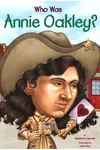
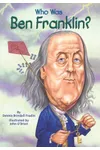
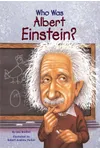
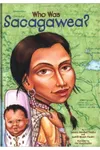

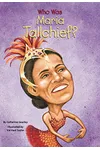
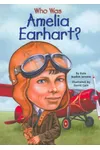
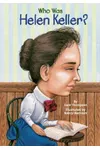
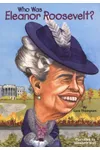
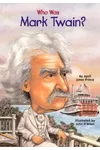
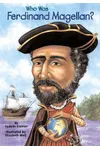
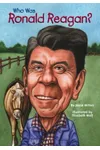
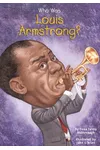
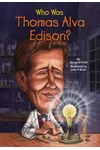
Since its launch in 2002, the Who Was/Is…? series (collectively known as Who HQ) has become a cornerstone of children's non-fiction literature. Conceived by editor Jane O'Connor at the Grosset & Dunlap imprint of Penguin, the franchise has expanded into a library of over 500 titles, translating complex histories into lively, accessible biographies for readers aged 8 to 12. With their signature oversized-head cover illustrations, engaging timelines, and detailed black-and-white drawings, these books make history feel like an active adventure.
Because the books in the Who HQ universe are standalone, non-fiction releases, there is no single, mandatory reading order. Instead, readers can explore the catalog using chronological timelines, specific subject themes, or by digging into the franchise's various specialized subseries.
Recommended Reading Paths for Who HQ
Rather than picking up books in the order they were published, most readers find it rewarding to follow either a Thematic Path or a Chronological Path. These approaches allow students and parents to build context around specific eras, movements, or disciplines.
1. The Chronological Path (By Historical Era)
Reading the series chronologically by the life of the subject helps young minds understand how different eras influenced one another. Here is a recommended path using key titles from the catalog:
- The Ancient World: Start with ancient leaders and thinkers to see how early civilizations took shape. Key books include Who Was King Tut?, Who Was Confucius?, Who Was Alexander the Great?, and Who Was Julius Caesar?
- Renaissance, Science, and Exploration: Move into the age of global exploration and scientific discovery with Who Was Marco Polo?, Who Was Leonardo da Vinci?, Who Was Ferdinand Magellan?, and Who Was Galileo?
- The Age of Revolution and Nation Building: Read about the figures who shaped modern democracies, starting with Who Was Ben Franklin?, Who Was George Washington?, Who Was Thomas Jefferson?, and Who Was Alexander Hamilton?
- The 19th Century & Industrialization: Trace the rise of industrial power, global literature, and civil rights movements with Who Was Abraham Lincoln?, Who Was Charles Darwin?, Who Was Frederick Douglass?, and Who Was Harriet Tubman?
- The 20th Century & Global Conflict: Read about world leaders, scientists, and activists who navigated two World Wars and the Cold War, including Who Was Albert Einstein?, Who Was Winston Churchill?, Who Was Anne Frank?, and Who Was Martin Luther King, Jr.?
- Modern Eras & Contemporary Trailblazers: Learn about current cultural, political, and scientific icons with Who Is Barack Obama?, Who Is Malala Yousafzai?, Who Is Neil deGrasse Tyson?, and Who Is Simone Biles?
2. Thematic Paths (By Field of Study)
If a reader has a specific passion, grouping the books by theme is the best way to keep them engaged. Some of the most popular categories include:
- Science and Tech Pioneers: Focuses on invention and discovery. Recommended sequence: Who Was Isaac Newton? → Who Was Thomas Alva Edison? → Who Was Marie Curie? → Who Was Steve Jobs? → Who Is Bill Gates?
- Artists, Writers, and Creators: Explores the minds behind great art and stories. Recommended sequence: Who Was William Shakespeare? → Who Was Wolfgang Amadeus Mozart? → Who Was Frida Kahlo? → Who Was Walt Disney? → Who Is J.K. Rowling? → Who Was Charles Schulz?
- Civil Rights and Activism: Highlights heroes of justice and equality. Recommended sequence: Who Was Sojourner Truth? → Who Was Rosa Parks? → Who Was Cesar Chavez? → Who Was John Lewis? → Who Is Temple Grandin?
- Sports Icons: Celebrates determination, teamwork, and athletic excellence. Recommended sequence: Who Was Babe Ruth? → Who Was Jesse Owens? → Who Was Muhammad Ali? → Who Is Pele? → Who Is Michael Jordan?
The Who HQ Subseries and Spinoffs
As the brand grew, Penguin expanded the core biography concept to cover historic events, geographic landmarks, pop culture, and new formats. Understanding these spinoffs helps readers choose what to add to their library next:
- Who Was? / Who Is? / Who Were?: The flagship biographical series. Who Was? covers historical figures who have passed away, while Who Is? highlights living contemporary figures. Who Were? focuses on groups, such as Who Were the Beatles? or Who Were the Tuskegee Airmen?
- What Was?: Focuses on pivotal historical events, battles, disasters, and cultural shifts. Examples include What Was the Battle of Gettysburg? and What Is the Women's Rights Movement?
- Where Is?: Explores geography, structural landmarks, and natural wonders of the world, such as Where Is the Great Wall? and Where Is the Kremlin?
- What Is the Story Of?: Investigates the history and cultural impact of iconic fictional characters and intellectual properties, such as What Is the Story of Batman? and What Is the Story of Frankenstein?
- Who HQ Graphic Novels: Launched in 2021, these books present biographies of historical figures in a full-color graphic novel format, pairing the classic educational focus with comic book pacing.
- Who HQ Now: A subseries designed to quickly cover major, breaking global events or highly prominent modern newsmakers.
Publication History and Evolution
While reading in publication order is not necessary, tracing how the series grew since 2002 shows its editorial evolution. The series debuted in 2002 with a core set of eight books, starting with Who Was Wolfgang Amadeus Mozart? and Who Was Annie Oakley?. In the early years, the focus was strictly on classic historical figures like Albert Einstein, Benjamin Franklin, and Amelia Earhart. By the late 2000s, the series introduced contemporary figures with Who Is Barack Obama? (2009) and later branched out to pop culture icons, scientists, athletes, and world events, creating the multi-disciplinary Who HQ library we know today.
What to Know Before You Start
Before diving into the books, here are some practical tips for parents, educators, and young readers:
- Reading Level: Most titles fall into a Lexile range of 600L to 900L, making them ideal for independent reading in grades 3 to 6, or as read-alouds for younger children.
- Visual Learning Aids: Every book includes maps, sidebars detailing historical context (like explaining the patent system in a book about an inventor), and a chronological timeline at the back comparing the subject's life against major world events.
- Multimedia Tie-ins: In 2018, Netflix released The Who Was? Show, a live-action sketch comedy and animation series based on the books. It is a fantastic companion watch that brings historical figures to life with humor, perfect for reinforcing the concepts read in the books.