

Where to Start with Wicked Lovely
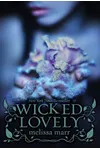
If you are new to Melissa Marr’s dark, modern faery world, the best place to begin is with the novel that started it all: Wicked Lovely (2007). This book introduces Aislinn, a teenager who has spent her life hiding her ability to see the dangerous faeries walking among humans, and Keenan, the Summer King who needs her to become his Summer Queen to restore balance to the seasons.
While there are historical prequels set in the 1890s and other backstory novellas, starting with the first publication is essential. It establishes the rules of the mortal-fae boundary, the power dynamics of the courts, and the core relationships that drive the remainder of the series. Starting with prequels can spoil the mystery and political intrigue that unfolds in the main books.
The Recommended Reading Order
For the best reading experience, we highly recommend following the publication order of the main novels while weaving in the graphic novels and key short stories where they chronologically fit. This ensures you experience the character developments and shifting alliances exactly as the author intended.
- Wicked Lovely (2007) – Book 1
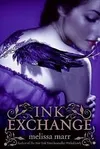
- Ink Exchange (2008) – Book 2
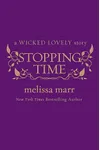
- Stopping Time (2010) – Short Story (Wicked Lovely #2.5)
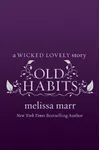
- Old Habits (2011) – Short Story (Wicked Lovely #3.5)
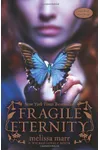
- Fragile Eternity (2009) – Book 3
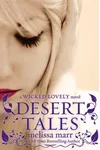
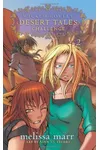
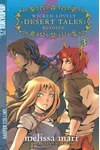
- Wicked Lovely: Desert Tales (2009–2011) – Graphic Novel Trilogy (includes Sanctuary, Challenge, and Resolve) or the compiled novel edition
- Radiant Shadows (2010) – Book 4
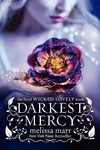
- Darkest Mercy (2011) – Book 5
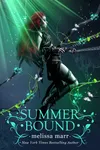
- Summer Bound (2020) – Novella (Wicked Lovely #5.5)
- Dark Sun (2022) – Wicked Lovely Courts Book 1
Following this path guides you from Aislinn's initial discovery of the Summer Court all the way to the climactic war in Darkest Mercy, followed by the newer spin-off series, Wicked Lovely Courts.
Publication Order vs. Chronological Order
If you prefer a strictly chronological reading path, you will begin with the historical and backstory prequels before jumping into the main modern-day sequence. However, be aware that reading the prequels first can spoil some of the mystery surrounding the ancient courts and the motivations of the faery kings.
The Chronological Sequence:
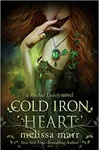
- Cold Iron Heart (2020) – Set in 1890s New Orleans, this prequel novella explores the backstory of Irial, the Dark King, and his relationship with Tam Foy, Aislinn's ancestor.
- Winter Dreams (2020) – A prequel short story focusing on Keenan's long, frustrating search for his Summer Queen before meeting Aislinn.
- Wicked Lovely (2007) – The first main novel.
- Ink Exchange (2008) – The second main novel, shifting perspective to Leslie and the Dark Court.
- Stopping Time (2010) – Takes place directly after the events of Ink Exchange.
- Old Habits (2011) – Bridges the gap between Ink Exchange and Fragile Eternity.
- Fragile Eternity (2009) – The third main novel.
- Desert Tales (2009–2011) – The graphic novel trilogy, which takes place in the desert between Fragile Eternity and Radiant Shadows.
- Radiant Shadows (2010) – The fourth main novel, focusing on Devlin and Ani.
- Darkest Mercy (2011) – The fifth main novel and the conclusion of the original conflict.
- Summer Bound (2020) – A companion story checking in on the characters after the end of Darkest Mercy.
- Dark Sun (2022) – Set after the main series, kicking off the Wicked Lovely Courts sequel series.
Deep Dive into the Wicked Lovely Novels
Wicked Lovely (2007)
The story begins with Aislinn Foy, a teenager who can see faeries and struggles to live a normal life with her best friend, Seth. Her life changes forever when Keenan, the Summer King, targets her. Under rules of ancient lore, Aislinn is forced to choose between becoming the magical Summer Queen or staying mortal.
Ink Exchange (2008)
Rather than continuing Aislinn's story directly, the second book focuses on her friend Leslie, who is drawn into the dark and dangerous world of the Dark Court. Leslie makes a bargain with Irial, the Dark King, to escape her own mortal trauma, leading to an exploration of power, control, and court politics.
Fragile Eternity (2009)
This volume returns to Aislinn as she struggles to adapt to her new royal responsibilities while trying to maintain her relationship with Seth. Seth, desperate not to lose Aislinn to the immortal faery realm, searches for a way to become immortal himself, leading him to strike dangerous bargains with the courts.
Radiant Shadows (2010)
The fourth book shifts focus to the High Queen's assassin, Devlin, and a half-mortal, half-faery named Ani. Ani feeds on emotions, and her unique nature makes her a target for the conflicting courts, bringing them closer to a final war.
Darkest Mercy (2011)
The original five-book cycle concludes with all-out war. The fragile balance between the Summer, Winter, Dark, and Shadow courts breaks down completely, forcing the characters to make final choices that will reshape both the faery and mortal worlds forever.
Understanding the Subseries, Graphic Novels, and Anthologies
Melissa Marr has expanded the Wicked Lovely universe through several formats, which can occasionally confuse new readers. Here is a breakdown of the key collections and spin-offs:
Wicked Lovely: Desert Tales (Graphic Novels)
Co-authored with artists and published as a manga-style trilogy, Desert Tales includes three volumes: Sanctuary (2009), Challenge (2010), and Resolve (2011). Later compiled into a single companion novel, this subseries follows the Desert Court faeries and provides crucial background context that directly impacts the events of Radiant Shadows. Reading it between Books 3 and 4 is highly recommended to understand the desert-dwelling fae.
Wicked Lovely Courts (Sequel Series)
Beginning with Dark Sun in 2022, this spin-off series shifts the focus to a new generation of characters. The story follows Katherine Miller, a half-mortal, and Urian, the son of the former Dark King, as they navigate new threats to the Faery Courts. The epilogue of Dark Sun teases a sequel titled Moonlit Stars.
Anthologies and Collections
Rather than hunting down individual short stories, readers can find most of Marr's short stories compiled in these collections:
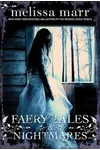
- Faery Tales & Nightmares (2012) – A collection of short fiction by Melissa Marr, some of which are set in the Wicked Lovely world, while others are standalone horror or fantasy.
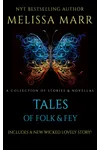
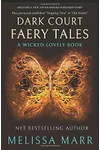
- Tales of Folk & Fey / Dark Court Faery Tales (2019) – Companion collections that bring together Wicked Lovely short stories like "Old Habits," "Stopping Time," and "Love Hurts." Tales of Folk & Fey is the more comprehensive of the two, also featuring selchie tales and excerpts from Marr's other books.
- Wicked Mercy (2022) – A dedicated anthology containing five key Wicked Lovely stories: "Winter Dreams," "Old Habits," "Stopping Time," "Love Hurts," and "Summer Bound." This is the easiest way to read the short stories in one place.
Practical Reader Advice & Common Reading Order Debates
The Ink Exchange vs. Fragile Eternity Debate
A common debate among fans is whether to skip or delay reading Ink Exchange. Because Book 1 (Wicked Lovely) leaves Aislinn and Keenan's story on a cliffhanger, some readers want to jump directly to Book 3 (Fragile Eternity), which continues their narrative. Ink Exchange shifts focus to Aislinn's mortal friend Leslie and Niall, Irial, and the Dark Court.
However, skipping Ink Exchange is strongly discouraged. The character growth, changes in the Dark Court, and political shifts that occur in Ink Exchange are essential for understanding the stakes, magic, and character relationships in Fragile Eternity and the final book, Darkest Mercy. Trust the publication order!
What to Know Before You Start
Unlike the sparkly, friendly faeries of light children's books, Melissa Marr's fae are drawn from darker, traditional Celtic folklore. They are manipulative, dangerous, and morally gray creatures who cannot lie but excel at deception. The setting of Huntsdale—a gritty, decaying city where iron (which weakens faeries) is everywhere—contrasts sharply with the glamour of the fae. Keep this darker, urban fantasy tone in mind, especially when reading Ink Exchange, which deals with heavier themes of trauma, addiction, and recovery.