

The Recommended Reading Order for the Wind River Reservation Series
To fully experience the depth of Margaret Coel’s Wind River Reservation series, it is highly recommended to read the books in their original publication order. While each novel presents a self-contained mystery that is resolved by the final page, the underlying personal lives, career trajectories, and relationship dynamics between the two main protagonists—Father John O'Malley and Vicky Holden—evolve chronologically. Reading the books out of order will spoil major character developments, including changes in Vicky’s legal practice and Father John’s ongoing struggle with alcoholism and his assignment at the St. Francis Mission.
Wind River Reservation Publication Order
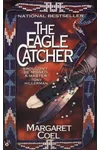
- The Eagle Catcher (1995) – Father John and Vicky investigate the murder of the Arapaho tribal chairman, uncovering fraudulent oil and land deals.
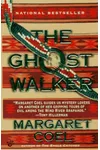
- The Ghost Walker (1996) – A vanishing corpse in a blizzard leads the duo to investigate legends of tormented spirits and reservation secrets.
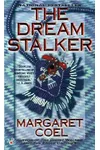
- The Dream Stalker (1997) – The proposed construction of a nuclear waste repository on reservation land sparks protest and murder.
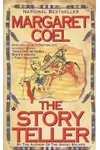
- The Story Teller (1998) – A stolen Arapaho ledger containing accounts of the Sand Creek Massacre resurfaces, triggering modern violence.
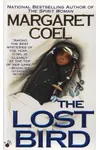
- The Lost Bird (1999) – An Arapaho woman adopted by a white family returns to find her biological roots, only for her search to be cut short by murder.
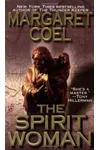
- The Spirit Woman (2000) – Investigating Sacajawea's legacy leads Vicky and Father John to search for a missing university professor.
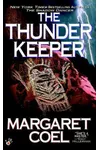
- The Thunder Keeper (2001) – A young Arapaho man commits suicide at Devils Tower, exposing a web of corporate greed and ancient tribal legends.
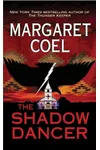
- The Shadow Dancer (2002) – Father John looks into the murder of an Arapaho man while Vicky defends a client accused of a double homicide.
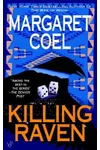
- Killing Raven (2003) – A murder at the new reservation casino implicates a prominent Arapaho tribal member, testing Vicky's legal skills.
- Wife of Moon (2004) – The exhibition of historical photographs taken on the reservation in the early 1900s stirs up long-buried secrets and a new murder.
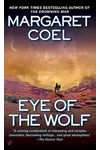
- Eye of the Wolf (2005) – Historic tensions between the Arapaho and Shoshone tribes flare up following a series of execution-style killings.
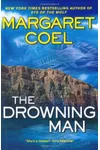
- The Drowning Man (2006) – The theft of ancient petroglyphs from a sacred reservation site leads to the murder of an art collector.
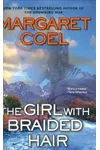
- The Girl with Braided Hair (2007) – A modern murder mirrors a historical tragedy from the era of Native American boarding schools.
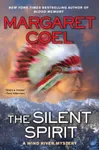
- The Silent Spirit (2009) – A film crew documenting Cecil B. DeMille’s 1923 production of The Ten Commandments uncovers a cold case involving Arapaho extras.
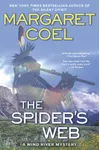
- The Spider's Web (2010) – A wealthy benefactor is murdered, leaving behind a complex web of reservation politics and family betrayals.
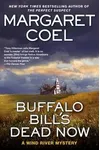
- Buffalo Bill's Dead Now (2012) – The return of missing Arapaho artifacts leads to a deadly confrontation involving the legacy of Buffalo Bill’s Wild West Show.
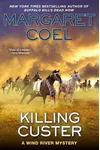
- Killing Custer (2013) – A conference on the Battle of the Little Bighorn becomes a crime scene when a prominent historian is murdered.
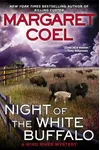
- Night of the White Buffalo (2014) – The birth of a sacred white buffalo calf brings pilgrims, protestors, and a killer to the Wind River Reservation.
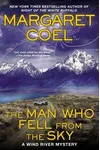
- The Man Who Fell from the Sky (2015) – A body dropped from a plane decades ago is finally identified, reopening a cold case with deep roots in the community.
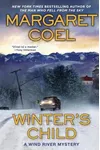
- Winter's Child (2016) – The series finale follows the search for a missing young man as the protagonists face defining choices about their future.
Crucial Entry Points and Reading Advice
The absolute best place to start is the debut novel, The Eagle Catcher. It establishes the central setting of the St. Francis Mission, details the complex relationship between the Arapaho and Shoshone tribes, and introduces the personal baggage of the protagonists. Father John is a recovering alcoholic dealing with exile from his superiors, while Vicky Holden is an Arapaho woman struggling to reclaim her tribal identity after leaving an abusive marriage and earning a law degree.
If you cannot find the first book, the next best entry point is The Spirit Woman, which won the Willa Cather Award and showcases the series' ability to weave historical research—specifically the legends surrounding Sacajawea—into a modern thriller. However, to appreciate the slow-burn romantic tension and emotional bond between Father John and Vicky, sticking to the publication sequence remains the most rewarding path.
Companion Works, Short Stories, and Spin-offs
In addition to the twenty primary novels, readers can expand their understanding of the Wind River universe through Margaret Coel's short fiction and crossover projects:
- Watching Eagles Soar: Stories from the Wind River and Beyond (2011) – This is the definitive short story collection by Margaret Coel. It features several stories starring Father John O'Malley and Vicky Holden alongside other tales set in the American West. The collection is best read after The Spider's Web (2010) to avoid minor character continuity discrepancies.
- The Catherine McLeod Series – Margaret Coel wrote a two-book spin-off/companion mystery series focusing on Denver investigative reporter Catherine McLeod, consisting of Blood Memory (2008) and The Perfect Suspect (2011). While distinct from the Wind River series, Vicky Holden makes a cameo appearance in Blood Memory.
- Man Found Dead in Park (2017) – This rare crossover novella brings Catherine McLeod and Vicky Holden together to solve a murder case in Denver that has drug cartel connections stretching back to the Wind River Reservation. Published after the final novel, it serves as an excellent epilogue to the universe.
What to Know Before You Start
Margaret Coel was heavily inspired by the landmark mystery novels of Tony Hillerman, who praised her work as masterfully authentic. Rather than focusing on simple police procedurals, Coel uses her background as a historian to explore the historical trauma, preservation of oral history, and contemporary challenges faced by the Arapaho people. The Wind River Reservation itself—a 2.2-million-acre expanse in Wyoming shared by the Arapaho and Shoshone—acts as a central character, with its harsh winter blizzards and scorching summer plains shaping the pacing of every mystery.