


Where to Start: The Recommended Reading Path
For the best reading experience, it is highly recommended to follow the publication order of the main novels. The series begins with Bitten (2001), introducing Elena Michaels, before shifting to different supernatural narrators like witches, necromancers, and half-demons. Reading in publication order allows you to experience the natural evolution of the universe, as characters cross paths and overarching political plots involving the Cabals develop gradually.
While you can read the first few books as relatively self-contained mysteries, the later books—especially starting with Waking the Witch—form a tightly interconnected narrative arc that leads directly into the grand finale, Thirteen.
The Main Series in Publication Order
The core of the Women of the Otherworld series consists of thirteen novels, which should be read in this sequence:
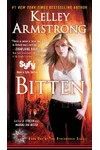
- Bitten (2001) - Narrated by Elena Michaels. Introduces the werewolf pack dynamics and Elena's struggle as the world's only female werewolf.
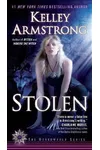
- Stolen (2002) - Narrated by Elena Michaels. Expands the universe by introducing other supernatural types captured by a mysterious research facility.
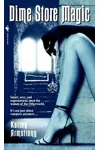
- Dime Store Magic (2004) - Narrated by Paige Winterbourne. Shifts focus to witches and covens as Paige protects a young, orphaned witch named Savannah Levine.
- Industrial Magic (2004) - Narrated by Paige Winterbourne. Explores the corporate power of the supernatural Cabals.
- Haunted (2005) - Narrated by Eve Levine. A unique story told by a deceased half-demon witch navigating the afterlife.
- Broken (2006) - Narrated by Elena Michaels. Elena returns to the spotlight as a portal opening in Toronto unleashes chaotic forces.
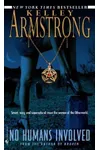
- No Humans Involved (2007) - Narrated by Jaime Vegas. Focuses on a spiritualist necromancer dealing with rogue ghosts in Los Angeles.
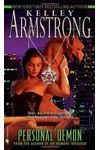
- Personal Demon (2008) - Narrated by Hope Adams and Lucas Cortez. A dual-perspective novel following a half-demon tabloid reporter and a sorcerer.
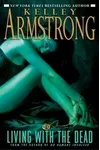
- Living with the Dead (2008) - Narrated by multiple perspectives including Robyn, Hope, and Adele. Follows the aftermath of supernatural exposure to the human world.
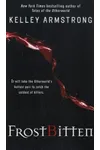
- Frostbitten (2009) - Narrated by Elena Michaels. Elena and Clay travel to Alaska to investigate rogue werewolf sightings.
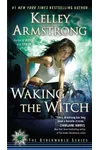
- Waking the Witch (2010) - Narrated by Savannah Levine. A grown-up Savannah takes on her first major investigation, initiating the final narrative arc.
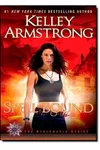
- Spell Bound (2011) - Narrated by Savannah Levine. Continuation of Savannah's struggle against corrupt Cabals and rogue supernaturals.
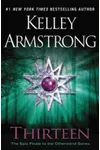
- Thirteen (2012) - Narrated by multiple protagonists. The epic final novel that unites all the series' heroines to prevent a supernatural apocalypse.
Subseries and Character Perspectives
One of the defining features of Kelley Armstrong's writing is her multi-narrator approach. Instead of following a single protagonist, the series is divided into distinct character-focused arcs:
- The Werewolves (Elena & Clay): Featured prominently in Bitten, Stolen, Broken, and Frostbitten.
- The Witches (Paige & Savannah): Detailed in Dime Store Magic, Industrial Magic, Waking the Witch, and Spell Bound.
- The Mediums & Necromancers (Jaime & Eve): Explored in Haunted and No Humans Involved.
- The Chaos Demons (Hope & Karl): Featured in Personal Demon and Living with the Dead.
Chronological Order vs. Publication Order
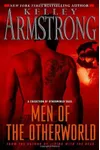
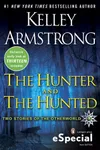
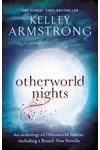
Because Kelley Armstrong has written dozens of prequels, side stories, and novellas, the chronological timeline is vastly different from the publication order. The author's official website offers a detailed chronological timeline for readers who want to dive deep into history. For example, stories in the collection Men of the Otherworld (2009) explore the childhood and origins of Clay and Jeremy long before the events of Bitten.
However, newcomers should avoid reading chronologically first. Prequel stories often contain spoilers for character relationships and plot twists revealed in the main novels. The safest approach is to read the 13 main novels first, and then dip into the collections and graphic novels to fill in the gaps.
Spin-offs: YA Trilogies in the Same Universe
Kelley Armstrong expanded the Otherworld universe with two Young Adult companion trilogies: the Darkest Powers trilogy (starting with The Summoning) and the Darkness Rising trilogy (starting with The Gathering). These trilogies focus on genetically modified supernatural teenagers running from the Edison Group. While they are written entirely by Armstrong with no co-authors, they run parallel to the later adult novels (around the time of Frostbitten) and feature crossover elements, culminating in the YA finale The Rising and brief character appearances in Thirteen.
What to Know Before You Start
All books in the Otherworld universe were written solely by Kelley Armstrong. While she has co-authored books in other genres, the Otherworld remains entirely her own vision. The tone blends mystery, fast-paced action, and romantic subplots. The series also spawned a television adaptation, Bitten, which ran from 2014 to 2016; while it captures the spirit of the werewolf pack, it diverges significantly from the books, making the novels the definitive way to experience the story.