




Recommended Reading Order: Play It in Sequence
The Alan Saxon series has a straightforward progression. Because the books follow the ongoing saga of Alan's professional career, his financial ups and downs, and his personal life—including his relationship with his daughter Rosemary—it is highly recommended to read them in order of publication.
- Bullet Hole (1986) – Saxon is at St. Andrews preparing for the British Open when the murder of a golf fan draws him into a dark conspiracy.
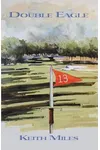
- Double Eagle (1987) – Saxon travels to a tournament in California, only to find himself investigating the suspicious death of a close friend.
- Green Murder (1990) – Set during a high-stakes Skins Game in Australia, Saxon must contend with kidnapping, corporate greed, and murder.
- Flagstick (1991) – Back in the UK for the Welsh Open, Saxon gets tangled in a web of family secrets and dangerous rivalries.
- Bermuda Grass (2002) – After an eleven-year hiatus, Saxon returns to investigate a murder at a luxury golf resort in Bermuda.
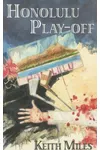
- Honolulu Play-Off (2004) – Saxon's final outing takes him to Hawaii, where he faces assassins and tries to clear his own name while investigating a friend's death.
Chronological Order vs. Publication Order
The chronological order of Alan Saxon's investigations matches their publication order. Although some online retailers and ebook databases list Flagstick with a 2012 publication date, this refers to a later reprint. The book was originally published in 1991 as the fourth installment of the series. Following the publication order ensures you read the narrative as the author intended.
The Author Behind the Game
Keith Miles is a prolific Welsh novelist and television scriptwriter with a deep passion for history and sports. While he wrote the contemporary Alan Saxon books under his own name, he is widely recognized by mystery fans under his historical pseudonyms. As Edward Marston, he penned the famous Railway Detective and Nicholas Bracewell series, and as Conrad Allen, he wrote nautical mysteries set aboard early 20th-century ocean liners. There are no crossovers or spin-offs between the contemporary world of Alan Saxon and Miles' historical settings.