






Where to Start Reading Chief Inspector Lennox
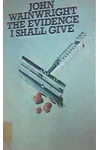
The best place to begin is with the debut novel, The Evidence I Shall Give (1974). This book introduces Chief Inspector Lennox, a complex and morally ambiguous protagonist whose background as an ex-con shapes his pursuit of justice. Starting here allows readers to experience the detective's personal evolution and the changing social dynamics of Yorkshire as Wainwright intended.
Chief Inspector Lennox Books in Publication Order
For the Chief Inspector Lennox series, publication order and chronological order are aligned. Reading the series in this order is highly recommended to appreciate the development of the characters and the evolving style of Wainwright's prose. Note that publication dates can vary slightly between original UK editions and subsequent US releases.
- The Evidence I Shall Give (1974)
- Square Dance (1975)
- Pool of Tears (1977)
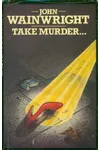
- Take Murder (1979)
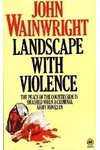
- Landscape with Violence (1979)
- The Day of the Peppercorn Kill (1981)
- Spiral Staircase (1983)
- The Tenth Interview (1986)
- A Very Parochial Murder (1989)
Chronological Caveats and Crossovers
While the sequence is generally straightforward, the series features a couple of notable overlaps with John Wainwright's other police procedural series:
- Landscape with Violence (1975 UK / 1979 US): This novel is often cross-listed as the third installment in Wainwright's Superintendent Gillant series and the fifth book in the Chief Inspector Lennox series, reflecting the shared universe of his Yorkshire-based procedurals.
- The Tenth Interview (1986): Although primarily the eighth novel in the Lennox series, it features a prominent crossover with Detective Chief Inspector Lyle, whose parallel investigation complicates the central confession.
About the Author's Realistic Influence
John Wainwright spent twenty years serving as a police constable in the West Yorkshire Police before writing full-time. This real-life background heavily influenced the Chief Inspector Lennox series, replacing typical cozy mystery tropes with procedural accuracy, ethical dilemmas, psychological depth, and a raw, sometimes bleakly humorous perspective on law enforcement.