
The Recommended Reading Order
If you want to follow Chief Inspector Mario Silva and his team of Brazilian federal police investigators, the recommended approach is simple: read the books in order of publication. Because the characters' personal lives, professional relationships, and the political landscape of Brazil develop over time, following the release order provides the best reading experience.
Here is the recommended reading path for the Chief Inspector Mario Silva series:
- Blood of the Wicked (2008) – Silva investigates the assassination of a bishop in a small town, uncovering systemic corruption and land disputes.
- Buried Strangers (2009) – A shallow grave containing multiple bodies is found near São Paulo, launching a complex forensic and criminal investigation.
- Dying Gasp (2010) – Set in the Amazon region, this entry tackles the dark underbelly of child exploitation and snuff films.
- Every Bitter Thing (2010) – Silva crosses Brazil to investigate a politically charged murder involving high-profile figures.
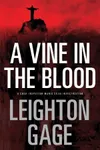
- A Vine in the Blood (2011) – The kidnapping of a famous soccer star's mother just before the World Cup puts immense pressure on Silva's team.
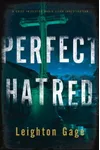
- Perfect Hatred (2013) – Silva tackles a complex web of domestic terrorism, religious extremism, and political assassination.
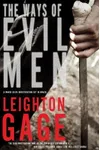
- The Ways of Evil Men (2014) – In the final novel, Silva investigates the suspicious deaths of members of an isolated Amazonian tribe.
Publication Order vs. Chronological Order
There are no prequel novels, spin-offs, or separate timelines to worry about. The chronological order matches the publication order exactly. Reading the series chronologically allows you to watch Silva's core team—including his nephew Hector Costa and the cynical Arnaldo Nunes—grow, adapt, and build trust over the years. Starting with the first book is highly recommended to appreciate the character dynamics and recurring subplots.
Behind the Scenes: Authenticity and Atmosphere
What sets these police procedurals apart is their unflinching realism. Author Leighton Gage lived in São Paulo for over twenty years, married a Brazilian, and was fluent in Portuguese. Instead of writing standard tourist brochure settings, Gage used his firsthand knowledge of Brazil's socio-political issues, judicial systems, and diverse geographical regions to craft a gritty and authentic atmosphere. The series deals with real-world issues like income inequality, systemic corruption, and judicial failures, making it a compelling read for fans of socially conscious crime fiction.