
The Recommended Reading Order
The Dancing Gods series is a tightly connected, highly serial fantasy saga that follows a single continuous storyline. Because of this, there is no debate about the best way to read these books: you should follow the publication order. Reading them out of order will result in major spoilers and confusion, as the character relationships, magic systems, and overarching threat build directly from one book to the next.
Here is the recommended reading order for the Dancing Gods series:
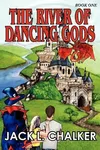
- The River of Dancing Gods (1984)
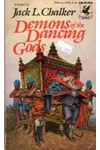
- Demons of the Dancing Gods (1984)
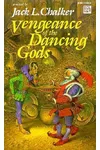
- Vengeance of the Dancing Gods (1985)
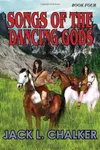
- Songs of the Dancing Gods (1990)
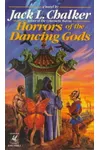
- Horrors of the Dancing Gods (1995)
Overview of the Dancing Gods Books
1. The River of Dancing Gods (1984)
The adventure begins with Joe, a down-on-his-luck trucker, and Marge, a woman fleeing a difficult past. When they both face near-death experiences on Earth, they are rescued by Throckmorton P. Ruddygore, a powerful wizard from the magical realm of Husaquahr. Husaquahr is a prototype world for Earth, and it is under threat from the Dark Baron. To save both Husaquahr and Earth, Ruddygore transforms Joe into a brawny barbarian warrior and Marge into a powerful elfin witch. Together, they must navigate a world that is literally governed by a divine rulebook of fantasy tropes.
2. Demons of the Dancing Gods (1984)
Picking up shortly after the events of the first book, Joe and Marge are now fully integrated into Husaquahr. However, a new threat emerges: the Dark Baron is gone, but the forces of Hell are plotting an Armageddon that would destroy the world. The wizard Ruddygore must guide the heroes as they face a Demon Prince. This entry leans heavily into Chalker's trademark body-transformation elements and features plenty of humor poking fun at the rigid rules that wizards and demons must follow during their conflicts.
3. Vengeance of the Dancing Gods (1985)
The third book wraps up the initial trilogy's primary conflict. In this installment, the battle moves from the magical landscapes of Husaquahr directly to Earth. The crossover blends traditional high fantasy magic with 1980s technology, leading to chaotic clashes. Joe and Marge must use their new powers to stop an invasion of Earth, dealing with the culture shock of bringing magic to a mundane world.
4. Songs of the Dancing Gods (1990)
Published five years after the original trilogy, this book introduces a new generation. The story centers on Joe's son, Irving, and a magical sword that Joe named after him. As new conflicts arise in Husaquahr, the narrative shifts focus, bringing in fresh characters while retaining the satirical tone, odd humor, and magical transformations that fans of the original trilogy enjoyed.
5. Horrors of the Dancing Gods (1995)
The final book in the series deals with the awakening of an ancient evil that threatens to rewrite the very Rules of Husaquahr. While some readers felt this entry strayed slightly from the lighthearted parody of the early books, it serves as the ultimate conclusion to the Husaquahr saga, wrapping up the fates of its characters and the mystical system that governs their world.
Inside Husaquahr: What to Know Before You Start
Jack L. Chalker wrote the Dancing Gods series during the fantasy boom of the 1980s, deliberately styling it as a playful response to the genre's sudden saturation. Husaquahr is a world built on clichés, where wizards actively quote rulebooks to justify why heroines must wear scantily clad outfits and why barbarians must embark on mandatory trilogies. This self-aware parody makes it a great fit for fans of humorous fantasy like Piers Anthony's Xanth or Alan Dean Foster's Spellsinger series.
However, modern readers should keep a few caveats in mind. Chalker is well-known in science fiction and fantasy circles for his recurring themes of physical transformation, body-swapping, and gender transitions. The characters in Dancing Gods undergo dramatic physical changes that reflect their assigned fantasy roles, which comes with a distinct, often leering 1980s humor. Additionally, while the first three books form a highly cohesive and fast-paced trilogy, the final two books function more like late-stage sequels and have a slightly different pacing and tone.
The Omnibus Editions
If you are looking to collect physical copies of the series, Del Rey released two major omnibus editions in the mid-1990s that bundle the early novels:
- The Dancing Gods: Part One (1995) – This omnibus collects the first two books: The River of Dancing Gods and Demons of the Dancing Gods.
- The Dancing Gods II (1996) – This second collection bundles the third and fourth books: Vengeance of the Dancing Gods and Songs of the Dancing Gods.
Because the fifth book, Horrors of the Dancing Gods, was released in late 1995, it was not included in these standard Del Rey omnibus pairings, meaning readers collecting the series via these omnibuses will still need to seek out a standalone copy of the final book to finish the story.