
The Recommended Reading Paths for Derek Strange
If you are planning to dive into the gritty, soul-music-infused world of Derek Strange, George P. Pelecanos has laid out two distinct reading paths. While the books are richly interconnected, your experience will change depending on whether you follow how the series was originally published or follow the character’s life chronologically.
Option 1: Publication Order (Highly Recommended)
For most readers, the best way to experience Derek Strange is in the order the books were written. This path lets you witness the evolution of Pelecanos’s writing style, the gradual development of the partnership between Derek Strange and Terry Quinn, and the natural introduction of crossovers from other D.C. series. Crucially, starting with the first published book establishes the core emotional weight and dynamic of the partners before you travel back in time to explore Strange's origins.
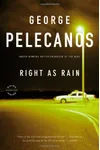
- Right as Rain (2001)
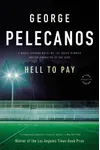
- Hell to Pay (2002)
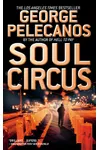
- Soul Circus (2003)
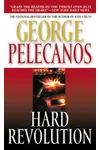
- Hard Revolution (2004)
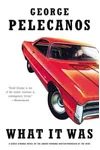
- What It Was (2012)
Option 2: Chronological Order
If you prefer to see Derek Strange grow from a rookie patrolman in the late 1960s into a veteran private eye in the 2000s, you can read the books in chronological order. Reading this way provides a historical timeline of Washington, D.C., tracking how both the city and the character changed across four decades. However, be aware that the later-written prequels assume some familiarity with Derek's character and contain stylistic choices that reflect a more seasoned author.
- Hard Revolution (2004) – Set in 1968. Strange is a young Black police rookie navigating a city on the brink of eruption during the D.C. race riots following the assassination of Martin Luther King Jr.
- What It Was (2012) – Set in 1972. Strange has recently left the police force to establish himself as a private investigator, taking on a case involving a stolen ring that spirals into a chase against a ruthless local criminal.
- Right as Rain (2001) – Set in the turn of the century. An older, established Strange is hired to investigate the death of a Black police officer shot by a white cop, leading him to cross paths and partner up with Terry Quinn.
- Hell to Pay (2002) – Set in the early 2000s. Strange and Quinn run their private detection agency, tackling cases involving runaway teenagers, local gangs, and the exploitation of youth.
- Soul Circus (2003) – Set in the early 2000s. The team goes up against a powerful local drug lord, bringing the original trilogy to a high-stakes, dramatic conclusion.
Chronological Caveats and What to Know Before You Start
While the chronological order seems straightforward, it comes with a few caveats. Hard Revolution and What It Was were written after the initial trilogy had concluded. Because they are prequels, they contain retrospective insights, nods to future events, and a deeper, more reflective narrative tone that Pelecanos developed later in his career. Starting with Hard Revolution plunges you into a historical epic, whereas starting with Right as Rain gives you the quintessential detective partnership format that defined the series' original run.
Additionally, Pelecanos's novels are famous for their musical references, particularly 1960s and 1970s soul, funk, and rock. Reading the books in publication order shows how the author’s use of music evolved from an atmospheric backdrop to a central narrative engine. In What It Was, the 1972 setting is deeply saturated with the sounds of the era, which feels richer when read as a nostalgic look back rather than your first introduction to the universe.
The Shared D.C. Universe and Crossovers
One of the most rewarding aspects of reading George P. Pelecanos is discovering how his various series and standalones tie together. Although the Derek Strange books work perfectly fine as a self-contained story, they are actually part of a larger, interconnected web of D.C. crime fiction. Here are the key crossovers to look out for:
- Nick Stefanos: The protagonist of Pelecanos's first detective series (which includes A Firing Offense, Nick's Trip, and Down by the River Where the Dead Men Go) makes a cameo appearance in Soul Circus, where he assists Strange with a case. Later, in What It Was, the narrative frame features Derek Strange relating his 1972 case directly to Nick Stefanos in the present day.
- Dimitri Karras and Marcus Clay: These central figures from Pelecanos's acclaimed D.C. Quartet (which includes King Suckerman and The Sweet Forever) make brief cameo appearances or are referenced in the Derek Strange books, establishing that all these characters walk the same streets and share mutual acquaintances.
- Recurring Neighborhoods and Haunts: Strange and other characters frequently visit the same local landmarks, such as Billy Georgelakos's residence. This recurring geography binds Pelecanos's entire bibliography into a singular, sprawling D.C. saga.
A Closer Look at the Books
Right as Rain (2001)
This is where it all begins. We are introduced to Derek Strange, a Black ex-cop who has successfully transitioned into running his own private investigation agency in D.C. He is hired by the mother of a Black police officer, suspicious of the official report claiming her son was accidentally shot by a white officer, Terry Quinn. Quinn, having been forced off the force due to the shooting, is living a shell of a life. As Strange brings Quinn in to help investigate the murky circumstances of the shooting, they uncover a web of police corruption, drug trafficking, and racial division. The novel establishes their complex partnership and the uneasy trust that forms between them.
Hell to Pay (2002)
Building on their partnership, Strange and Quinn are now working together regularly. The stakes are raised when they take on cases involving runaway teenagers and gang violence in D.C. neighborhoods. Quinn tries to rescue a young girl from the clutches of underage prostitution, while Strange deals with a local kid caught in the crossfire of turf wars. It is a dark, emotionally draining novel that focuses heavily on the vulnerability of youth and the moral obligation of those who can help. It won the Los Angeles Times Book Prize for mystery/thriller and is widely cited as the series' high-water mark.
Soul Circus (2003)
The final book in the initial contemporary trilogy, Soul Circus sees Strange and Quinn navigating a city on the edge of a drug war. Strange is hired to defend a drug lord's girlfriend, which drags him into conflict with a ruthless crime boss. The novel features a prominent guest appearance by Nick Stefanos, Pelecanos's first series protagonist, linking the two detectives together. The narrative explores the limits of street justice, the toll of violence on the investigators, and features a tragic, high-stakes climax that brings the initial story arc of the partners to a close.
Hard Revolution (2004)
Pelecanos took a step back in time with this prequel, setting it in 1968. We follow a young Derek Strange as a rookie police officer in a segregated Washington, D.C. The city is a powder keg of racial tension, which explodes following the assassination of Martin Luther King Jr. Strange is caught between his loyalty to his community and his duty to the badge. The novel is less of a traditional detective story and more of an epic historical noir, offering essential backstory on how Derek Strange developed his strong moral compass and why he eventually chose to leave the police force.
What It Was (2012)
Set in 1972, this novel bridges the gap between Strange's rookie years and his contemporary investigator status. Having recently left the police force, Strange is establishing his private detective agency. He takes on what seems like a simple case: recovering a stolen ring for a woman. This case leads him into the path of his former police partner, Frank "Hound Dog" Vaughn, and a violent pimp named Red Jones. Heavily influenced by the music, movies, and fashion of the early 1970s, the book serves as both a fast-paced thriller and a tribute to the era, framed by Derek Strange recounting the story to Nick Stefanos in the present day.
Practical Reader Advice
If you're unsure where to start, here is some straightforward guidance to help you navigate the series:
Can they be read as standalones? Yes, to an extent. Each book features a self-contained mystery that is resolved by the final page. However, the emotional journeys of Derek Strange and Terry Quinn, their personal redemptions, and their changing relationship are serial. You will lose a significant amount of character development if you jump straight into Soul Circus without reading Right as Rain first.
Which book is the fan favorite? Hell to Pay is widely considered the emotional peak of the series. Winning the 2003 Los Angeles Times Book Prize, it is praised for its intense realism, emotional stakes regarding youth exploitation, and the chemistry between the lead duo. Hard Revolution is also highly celebrated for its historical importance and its vivid portrayal of D.C. history.
What is the tone? Expect gritty, realistic noir. Pelecanos writes with a documentary-like precision about the streets of Washington, D.C. The books do not shy away from institutional racism, the devastating effects of the drug trade, and systemic corruption. However, unlike some bleak noir, Derek Strange provides a moral center — he is a principled man trying to do good in a deeply flawed world.