



How to Read Pam Uphoff's Directorate Series
The Directorate series by Pam Uphoff is a fast-paced, imaginative blend of young adult academy drama, interdimensional science fiction, and high-stakes portal fantasy. Serving as a distinct gateway into Uphoff's massive, 50-plus-book Wine of the Gods multiverse, this series introduces readers to a boarding school like no other—where students train to police parallel Earths, master genetics-based magic, and prevent interdimensional wars.
Because the broader universe is so vast, new readers often feel overwhelmed. Fortunately, the Directorate subseries provides a cohesive, self-contained story arc focusing on a specific group of characters. Below is the ultimate guide to navigating this interdimensional academy adventure.
Recommended Starting Point: The Core Directorate Reading Order
For the best reading experience, you should follow the publication order of the Directorate books. Because the narrative tracks the education, graduation, and early career deployments of the main characters, reading them sequentially is highly recommended. The chronological order of these specific fourteen books aligns exactly with their publication dates, making your reading path straightforward.
The Core Directorate Reading List
- Directorate School (2016) – The story begins here. Ebsa "Kitchen" Clostuone enters the University of the Empire’s School of Directorate Studies. Along with the president's daughter Paer and the time-displaced warrior trainee Ra'd, he must navigate academic rivalries, class hierarchies, and early magic lessons.
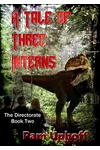
- A Tale of Three Interns (2016) – The main trio leaves the classroom behind for their first hands-on internships, traveling to dangerous alternate Earths and confronting prehistoric beasts.
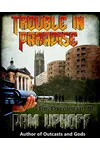
- Trouble in Paradise (2017) – The stakes rise as political conspiracies within the Empire begin to threaten the school and the students' futures.
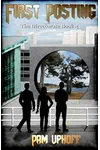
- First Posting (2017) – The graduates receive their official placements as field agents, stepping into active duty across the multiverse.
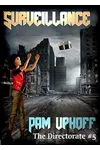
- Surveillance (2017) – Also known as Surveillance Camp, this entry follows the agents as they establish monitoring operations on key parallel worlds.
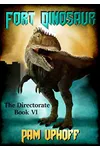
- Fort Dinosaur (2017) – A fan-favorite installment featuring heavy action, survival tactics, and prehistoric threats on a wild alternate Earth.
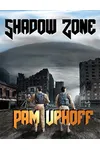
- Shadow Zone (2017) – The team ventures into unstable, lawless dimensions where the laws of physics and magic operate unpredictably.
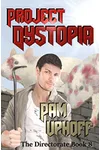
- Project Dystopia (2018) – The agents investigate a dark parallel reality ruled by authoritarian forces, testing their training and loyalties.
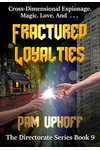
- Fractured Loyalties (2018) – Political divisions hit close to home, forcing the characters to choose between the Directorate's strict protocols and their personal morals.
- Cooking Hot (2018) – Ebsa "Kitchen" Clostuone takes center stage as his domestic, culinary, and portal-managing skills are put to the ultimate test.
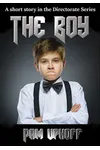
- The Boy (2018) – Focuses on a mysterious young newcomer whose unique genetic talents threaten to disrupt the balance of power.
- One Love (2018) – Explores the personal relationships, romances, and emotional bonds that keep the agents grounded amid multiversal chaos.
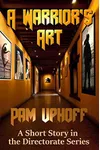
- A Warrior's Art (2018) – Focuses on Ra'd and the martial traditions required to survive combat across disparate dimensions.
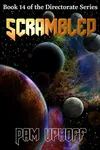
- Scrambled (2018) – The fourteenth book wraps up major narrative threads while introducing a mind-bending timeline split that challenges the characters' sense of time and identity.
Character Profiles: The Heart of the Directorate
The success of the series rests on the shoulders of its main trio. Their contrasting backgrounds and complementary skills make them an engaging team to follow:
- Ebsa "Kitchen" Clostuone: Ebsa is the relatable anchor of the series. Often underestimated due to his humble nickname, he is a highly talented student with a deep curiosity and an innate talent for managing both kitchen duties and complex portal calculations. His practical mind and grounded perspective keep the group together when interdimensional missions go awry.
- Paer: As the daughter of the president, Paer carries the weight of immense political expectations and family legacy. She is strong-willed, intelligent, and determined to prove her worth on her own merits rather than relying on her family's status. Her insights into the political machinations of the Empire are crucial during the team's later deployments.
- Ra'd: A time-displaced warrior trainee, Ra'd brings a martial edge and a unique historical perspective to the team. Struggling to adapt to the complex social structures of the modern Directorate while mastering his formidable combat abilities, his character arc is a compelling exploration of identity and honor.
What to Know Before You Start: The Wine of the Gods Multiverse
While the Directorate books can be enjoyed as a standalone academy series, they are deeply rooted in the lore of Uphoff's Wine of the Gods universe. Knowing a few key concepts beforehand will help you appreciate the depth of the world-building:
- The Multiverse and Gates: The setting consists of numerous parallel Earths connected by dimensional gates. Some worlds are highly advanced, some are prehistoric, and others are magical. The Directorate is the security and administrative arm responsible for monitoring these gates and maintaining peace.
- Oners: In Uphoff's universe, "Oners" are genetically engineered humans who possess distinct psychic, physical, or magical abilities. Most importantly, Oners are the only ones capable of operating and navigating the complex portal machinery that links the worlds of the multiverse.
- The Blend of Sci-Fi and Magic: The series transitions between hard science fiction concepts—like genetic engineering, cloning, and timeline splits—and classical fantasy magic. The "magic" in this universe is often explained as an extension of advanced genetics and mental discipline.
Chronological Caveats and the Timeline Shift
For the first thirteen books, the timeline flows forward in a linear fashion. However, Scrambled introduces a major narrative shift. Due to a split in the timeline and the varying rates at which time passes in different corners of the multiverse, characters encounter time displacement. Readers will see characters born before the timeline split encountering younger versions of themselves or dealing with asynchronous events. While this makes the chronology within the book complex, it does not alter the fact that Scrambled should be read fourteenth in the sequence.
Practical Reader Advice
Can the Directorate series be read standalone?
Yes. You do not need to read the previous 30-plus books of the main Wine of the Gods series to understand the plot of Directorate School. The school setting serves as a natural introduction to the rules of the multiverse, making it an excellent entry point for new readers. However, reading the broader series will provide a richer understanding of background historical events and cameos by older characters.
Are there side stories or spin-offs?
Because Uphoff's universe is highly fluid, characters from the Directorate series frequently show up in other Wine of the Gods books. For example, stories involving the DMB (Drei Mächte Bündnis) worlds and gate-related incidents often cross paths with Ebsa, Ra'd, and Paer. If you finish Scrambled and want more, you can explore the wider publication order of Wine of the Gods starting with Outcasts and Gods, or look for specific character-centric threads discussed by fans on community forums.