


The Recommended Reading Order
For the best introduction to the Dire Earth Cycle, we highly recommend following the publication order rather than starting with the prequel stories. Beginning with the first published novel allows you to experience the mysteries of the alien Builders and the terrifying nature of the plague alongside the characters, without having key reveals spoiled beforehand.
Recommended Reading Path
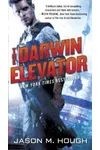
- The Darwin Elevator (2013) — The core starting point. This novel introduces the post-apocalyptic setting of Darwin, Australia, the immune scavenger Skyler Luiken, and the enigmatic alien elevator that protects humanity's last refuge.
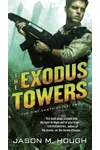
- The Exodus Towers (2013) — The second novel in the main trilogy, which picks up immediately after the events of the first book and expands the global scope of the conflict.
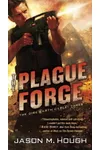
- The Plague Forge (2013) — The final book in the original trilogy, bringing Skyler and Tania's initial struggle to a dramatic conclusion.
- Injection Burn (2017) — The first book in the Dire Earth sequel duology, shifting the setting from Earth into deep interstellar space.
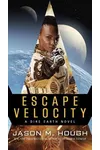
- Escape Velocity (2017) — The final novel in the sequel duology, wrapping up the interstellar journey of the surviving crews.
Where to Insert the Prequels
If you want to read the prequel novellas, the best time to do so is after you have completed the original trilogy. Reading them earlier can diminish the mystery of the first novel, whereas reading them afterward provides satisfying context for the characters and the origins of the global disaster:
- Wave of Infection (2013) — A prequel short story originally published on Tor.com that explores the initial outbreak of the SUBS virus.
- The Dire Earth (2014) — A prequel novella set before the events of The Darwin Elevator that details the early days of the plague and the convergence of survivors on Darwin.
Publication Order vs. Chronological Order
While the chronological order places the prequels first, reading them in that order is not recommended for newcomers. Below is how the timeline of events compares to the publication sequence.
Chronological Timeline
- Wave of Infection (Prequel story)
- The Dire Earth (Prequel novella)
- The Darwin Elevator (Trilogy Book 1)
- The Exodus Towers (Trilogy Book 2)
- The Plague Forge (Trilogy Book 3)
- Injection Burn (Duology Book 1)
- Escape Velocity (Duology Book 2)
The primary caveat of a chronological read is that the prequels explain the mechanics of the SUBS virus and character backstories in a way that assumes the reader is already familiar with the broader setting. For the most satisfying narrative flow, stick to the publication order.
The Subseries: Earth Dystopia vs. Space Opera
The Dire Earth universe is divided into two distinct arcs, each carrying a very different tone and setting:
The Original Dire Earth Trilogy
Comprising The Darwin Elevator, The Exodus Towers, and The Plague Forge, this sequence is a post-apocalyptic, Earth-based thriller. It focuses heavily on survival, scavenger culture, and the immediate panic of a dying world under the shadow of giant alien structures. The camaraderie of the scavenger crew gives these books a gritty, character-driven energy reminiscent of classic sci-fi adventures.
The Dire Earth Duology
Comprising Injection Burn and Escape Velocity, this duology marks a massive transition in the series. It leaves Earth behind to become a full-scale interstellar space opera. Skyler Luiken and Gloria Tsandi command starships through an alien blockade to explore deep space. While it continues the story of the trilogy, it is designed to be accessible enough that space opera fans can jump in without reading the first three books, though reading the trilogy beforehand is recommended for maximum emotional impact.
What to Know Before You Start
Before diving into Hough's universe, it helps to understand the unique elements that define this setting. The world is built around the SUBS virus (Sub-dimensional Space virus), which degrades human intelligence and turns victims into feral, aggressive creatures. The only safe zones on Earth are under the protective 'aura' emitted by the alien space elevators. This creates a high-stakes, claustrophobic environment where leaving the elevator's reach means certain madness and death, driving the intense survival focus of the first three books.
Hough's background as a game designer is evident in the fast, action-oriented pacing and the tactile, puzzle-like exploration of alien technology. If you enjoy survival stories with heavy sci-fi elements and quick pacing, the Dire Earth Cycle is an excellent fit.