

The Recommended Reading Order for Douglas Brodie
Written by Scottish author Gordon Ferris, the Douglas Brodie series (popularly known as the Glasgow Quartet) is a masterclass in post-World War II historical noir. Because the series follows a tightly woven chronological timeline and charts the deep, evolving relationship between its main characters, you should read these books in their exact order of publication. Fortunately, the publication order matches the internal chronology perfectly, tracking Douglas Brodie's journey from a scarred returning veteran to a hardened investigative journalist.
Here is the recommended reading order for the Douglas Brodie series:
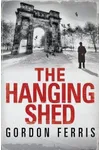
- The Hanging Shed (2010) – Set in the spring of 1946. Douglas Brodie returns to a bleak Glasgow from London. He is tasked with saving his childhood friend, Hughie Campbell, who is sitting in Barlinnie Prison's death cell, convicted of a horrific murder. Brodie teams up with Hughie's sister, advocate Samantha Campbell, to find the real killer before the gallows claim an innocent man.
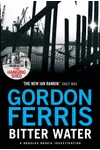
- Bitter Water (2012) – Set during the sweltering, tense summer of 1946. Now working as a crime reporter for the Glasgow Gazette, Brodie is pulled into a dangerous investigation involving a vigilante group known as the Glasgow Marshals. As these self-appointed judges execute criminals who escaped justice, Brodie must decide where his loyalties lie while navigating a city on the brink of explosion.
- Pilgrim Soul (2013) – Set during the brutal, freezing winter of early 1947. Amidst historic snowstorms and coal shortages, Brodie is hired to investigate a series of burglaries and brutal murders within Glasgow's Jewish community. The investigation takes a dark turn as he uncovers Nazi escape routes (ratlines) and stolen gold. This installment features a major crossover with Danny McRae, another of Ferris's series protagonists.
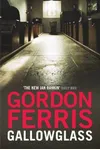
- Gallowglass (2014) – Set in the summer of 1947. The gripping conclusion of the quartet begins with a shocking headline announcing Douglas Brodie's apparent suicide in prison. Accused of kidnapping and murdering a prominent banker, Brodie is caught in a high-stakes conspiracy. He must use all his cunning and combat skills to clear his name and protect Samantha from a ruthless ring of corrupt elites.
Where to Start: Why 'The Hanging Shed' is Essential
It is highly recommended that you start at the very beginning with The Hanging Shed. While each novel features a self-contained mystery, the overarching character developments are continuous. Over the course of the four novels, we watch Douglas Brodie battle severe post-traumatic stress disorder (PTSD), wrestle with his wartime memories as an Army Major, and slowly rebuild his life in a scarred, rebuilding Scotland.
Equally important is the slow-burn romance and professional partnership between Brodie and Samantha Campbell. Samantha is a pioneering female advocate in a highly patriarchal society, providing the legal intellect that complements Brodie's gritty street-level investigation. Watching their bond strengthen, weather hardships, and face direct threats across the four novels is one of the most rewarding aspects of the series—and one that is easily spoiled if you read the books out of order.
The Danny McRae Crossover and the Broader Universe
If you enjoy the Douglas Brodie series, you will want to check out Gordon Ferris's other post-war crime series featuring Danny McRae. McRae is a former Glasgow police officer and ex-Special Operations Executive (SOE) agent who works as a private investigator in London, struggling with amnesia and blackouts from wartime torture.
The crossover in Pilgrim Soul is a treat for fans of both series. Danny McRae travels from London to Glasgow to assist his former police colleague Douglas Brodie on the Jewish community case. While you do not need to read the Danny McRae books to understand Pilgrim Soul, reading them beforehand adds incredible depth to the interaction between the two scarred protagonists.
If you want to read all of Gordon Ferris’s post-war novels in chronological sequence, here is how the Danny McRae books fit around the Douglas Brodie series:
- Truth Dare Kill (2007) – Danny McRae Book 1 (Set in 1946 London)
- The Unquiet Heart (2008) – Danny McRae Book 2 (Set in 1946 London and Berlin)
- The Hanging Shed (2010) – Douglas Brodie Book 1 (Set in 1946 Glasgow)
- Bitter Water (2012) – Douglas Brodie Book 2 (Set in summer 1946 Glasgow)
- Pilgrim Soul (2013) – Douglas Brodie Book 3 (Set in winter 1947 Glasgow, featuring Danny McRae)
- Gallowglass (2014) – Douglas Brodie Book 4 (Set in summer 1947 Glasgow)
What to Know Before You Start
Before diving into the Glasgow Quartet, there are a few elements of tone, setting, and context that will help you appreciate the depth of Ferris's work:
Glasgow as a Living Character: Ferris’s depiction of post-war Glasgow is unflinchingly atmospheric. The city is portrayed as a smoke-choked, rain-slicked landscape dealing with the physical and emotional debris of the Blitz. You will visit iconic local spots like the Gorbals, Barlinnie Prison, and the Horseshoe Bar, all rendered with historical precision and rich local dialect.
A Focus on Real History: The stories are grounded in the actual social struggles of the late 1940s. Ferris addresses themes of sectarian divide, deep-seated political corruption, the black market born of rationing, anti-Semitism, and the tragic lack of support for returning soldiers suffering from what was then called 'combat fatigue.'
A Distinctive Noir Voice: Fans of classic American noir (such as Raymond Chandler and Dashiell Hammett) will feel right at home, yet the series has a uniquely Scottish soul. The dialogue is sharp, cynical, and laden with local slang, while maintaining a deeply empathetic core for the victims of societal neglect.
No Further Sequels: Gordon Ferris designed this series specifically as a quartet. The storyline of Douglas and Samantha reaches a definitive, satisfying resolution at the end of Gallowglass, meaning you can enjoy the entire journey knowing it has a planned and complete conclusion.