








Recommended Reading Order for the DS Aector McAvoy Series
The DS Aector McAvoy series, written by David Mark, is best experienced in order of publication. Because the series relies heavily on character progression, the growing relationship between McAvoy and his superior Trish Pharaoh, and recurring subplots, reading the books chronologically ensures you do not miss key developmental arcs.
The Main Novels and Novellas in Order
Below is the complete reading order of David Mark's series, incorporating the main novels and the placement of the companion novellas:
- The Dark Winter (2012) – The series opener introduces Detective Sergeant Aector McAvoy as he tracks a serial killer who targets the sole survivors of past tragedies.
- Original Skin (2013) – McAvoy is pulled into Hull's seedy drug-fueled underground while investigating an apparent suicide that turns out to be murder.
- Sorrow Bound (2014) – A brutal murder case connects back to a historic crime, bringing McAvoy into conflict with a ruthless vigilante.
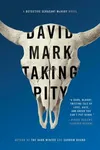
- Taking Pity (2015) – McAvoy investigates police corruption and gang warfare, facing intense personal and professional stakes.
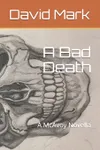
- A Bad Death (Novella, 2015) – A short story set directly after the events of Taking Pity, filling the gap before the next major novel.
- Dead Pretty (2016) – The disappearances of two very different women lead McAvoy into a dark web of obsession and vanity.
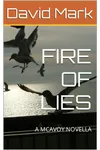
- Fire of Lies (Novella, 2016) – A standalone mystery investigating a series of arson attacks, fitting between Dead Pretty and Cruel Mercy.
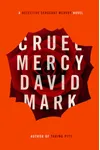
- Cruel Mercy (2017) – McAvoy travels to New York and the Scottish Highlands to investigate a death close to home.
- Scorched Earth (2018) – Set during a sweltering Hull summer, McAvoy balances a missing child investigation with a gangland turf war.
- Cold Bones (2019) – A frozen pensioner leads McAvoy to a dark secret connected to a historic fishing trawler disaster.
- Darkness Falls (Prequel Novella, 2020) – A prequel exploring McAvoy’s early days as a young police officer on the force.
- Past Life (2021) – The murder of a local clairvoyant forces McAvoy to confront dark secrets from his own past.
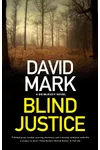
- Blind Justice (2022) – A gruesome murder case with coins nailed over the victim's eyes pulls McAvoy into a high-stakes conspiracy.
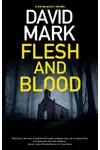
- Flesh and Blood (2023) – McAvoy investigates a gruesome discovery on a Yorkshire estate, uncovering dark family secrets.
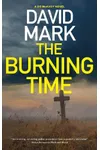
- The Burning Time (2023) – McAvoy investigates a series of bizarre executions linked to historical burnings.
- Past Redemption (2024) – McAvoy and Pharaoh attempt to block the parole of a dangerous predator, leading to a complex web of vigilante justice.
- After the Weeping (2025) – Ordered to reopen a ten-year-old cold case involving a local fight coach, McAvoy uncovers connections to international crime bosses.
Publication Order vs. Chronological Order Caveats
While the main novels follow a straightforward timeline, the three companion novellas introduce a few minor ordering choices for readers:
- Darkness Falls: Although published in 2020, this novella is actually a prequel (Book 0.5) featuring Aector McAvoy as a young officer. While chronologically it comes first, it is best read after you have read at least the first three or four novels. The story assumes some familiarity with McAvoy's personality and the grim tone of David Mark's Hull, making it a richer experience as a flashback.
- A Bad Death: Originally released as an ebook in 2015 and later compiled in 2020, this novella takes place between Taking Pity (Book 4) and Dead Pretty (Book 5). Reading it here helps flesh out McAvoy's mindset during a pivotal period of transition on the force.
- Fire of Lies: First published in 2016 and re-released in 2021, this story is positioned between Dead Pretty (Book 5) and Cruel Mercy (Book 6). It serves as a great bridge, highlighting the escalating tension in McAvoy's life before he leaves Hull.
What to Know Before You Start
The Aector McAvoy books are not your typical cozy police procedurals. Here are a few essential things to keep in mind before you start reading:
- The Protagonist: Aector McAvoy is a towering Scottish detective sergeant (later inspector) working in Yorkshire. He is a gentle giant with a deep-seated moral compass, but he is haunted by a traumatic past event in Scotland that is slowly revealed across the early books. Unlike many cynical fictional detectives, McAvoy's defining trait is his profound, sometimes painful empathy for victims.
- The Hull Setting: David Mark’s depiction of Hull is atmospheric, damp, and uncompromisingly bleak. The city's geography—its fading docks, industrial estates, and proximity to the North Sea—plays a massive role in shaping the mood of each investigation. Hull acts as a character in its own right, mirroring the grit and isolation of the storylines.
- David Mark's Background: The author spent 15 years as a journalist, including 7 years as a crime reporter for The Yorkshire Post. His experience covering real-life murders, court cases, and police procedures gives the series a level of authenticity and detail that sets it apart from more stylized crime fiction.
- The Pharaoh Dynamic: The relationship between McAvoy and his direct superior, Detective Chief Superintendent Trish Pharaoh, is the emotional anchor of the series. Pharaoh is bold, politically savvy, and protective of McAvoy, acting as a buffer between him and the department's internal politics. Their banter and mutual trust evolve significantly over the course of the novels.
The Evolution of Aector McAvoy
Over the span of the series, Aector McAvoy undergoes a significant transformation, both personally and professionally. In the early books, McAvoy is an outsider in Humberside Police—a Scotsman who refuses to play the political games of his colleagues. His absolute refusal to cut corners or ignore his moral compass makes him unpopular with corrupt officers but earns him the fierce protection of Trish Pharaoh. As the series progresses, Aector is promoted to Detective Inspector (DI), which forces him to take on more leadership responsibilities while trying to maintain his boots-on-the-ground connection to the community. His family life with his wife, Roisin, and their children also serves as a critical counterweight to the horrific crimes he investigates, providing a rare source of light in an otherwise dark fictional universe.
Themes of Justice and Realism
David Mark uses his experience as a crime journalist to paint a realistic portrait of the British justice system. The series frequently touches on how victims are treated by the media, the administrative strain on underfunded police forces, and the frustration of seeing dangerous criminals navigate legal loopholes. Justice in McAvoy's world is rarely clean or simple; it is hard-fought, messy, and often comes at a high personal cost to the investigators. This realism, combined with the poetic, noir-like prose of the author, gives the series its distinct, elevated flavor in the crowded police procedural landscape.