
The Recommended Reading Order for Elmwood Springs
Fannie Flagg’s Elmwood Springs books are a beautiful tribute to the enduring bonds of small-town America. Over the course of four novels, Flagg constructs a living, breathing community that spans generations. While some readers look for a chronological timeline, the best way to experience Elmwood Springs is in its historical publication order. Reading the books as they were released allows you to witness the town’s character roster grow naturally and lets you uncover the overlapping secrets of its residents in the way the author intended.
We recommend reading the Elmwood Springs series in this order:
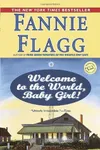
- Welcome to the World, Baby Girl! (1998) – This is the perfect introduction to the town, told through the eyes of a modern career woman reconnecting with her roots.
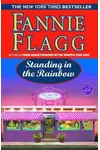
- Standing in the Rainbow (2002) – A sweeping, nostalgic look back at the town's golden era, covering the post-WWII years through the late 20th century.
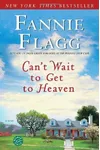
- Can't Wait to Get to Heaven (2006) – A hilarious, heartwarming comedy focusing on one of the town's most beloved senior citizens.
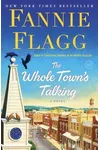
- The Whole Town's Talking (2016) – The ultimate chronicle of the town, tracking its entire history from founding to the afterlife.
Publication Order vs. Chronological Order
Determining a strict chronological timeline for Elmwood Springs is tricky because the books overlap significantly in time. However, if you want to understand how the town evolved year-by-year, the internal timeline spans more than a century:
- The Whole Town's Talking (1889–Present and Beyond): While published last, this novel starts at the very beginning when Swedish immigrant Lordor Nordstrom and his wife Katrina clear the land and build the first cabins of Elmwood Springs. It follows the town's history all the way through to the 21st century and beyond, even looking in on the residents resting in the local cemetery.
- Standing in the Rainbow (1945–1989): This book tracks the town during the mid-20th century, centering on Dorothy Smith (known as "Neighbor Dorothy") as she broadcasts her daily radio show from her living room, and follows the lives of the townspeople across several decades.
- Welcome to the World, Baby Girl! (1970s–1990s): Set primarily in the late 20th century, this novel focuses on Dena Nordstrom as a rising television journalist in New York who suffers a breakdown and returns to Elmwood Springs to piece together her mother Marian's mysterious disappearance.
- Can't Wait to Get to Heaven (Mid-2000s): This story takes place in the contemporary era, following octogenarian Elner Shimfissle after a fall from a fig tree lands her in the hospital—and briefly in heaven.
Why you shouldn't read chronologically: Although The Whole Town's Talking begins in 1889, reading it first is not recommended. It spans the entire life cycle of the town and reveals what ultimately happens to every single major character in Elmwood Springs. Reading it first spoils the narrative arcs, mysteries, and relationship developments of the previous three books. Stick to the publication order for the best experience!
A Closer Look at the Books
1. Welcome to the World, Baby Girl! (1998)
Dena Nordstrom is a high-powered, glamorous television anchor in New York, but her high-stress life is slowly killing her. When health issues force her to take a break, she finds herself drawn back to the sleepy, friendly town of Elmwood Springs, Missouri. There, she must face the memories of her childhood and the unexplained disappearance of her mother, Marian. Flagg uses Dena's journey to contrast the frantic pace of modern media with the slow, supportive warmth of community life.
2. Standing in the Rainbow (2002)
This novel acts as a massive prequel and companion, going back to 1945 to show the town during its post-WWII golden age. The central figure is Neighbor Dorothy, a woman who brings joy to the community with her home-grown radio show. We follow her husband Doc, her son Bobby, and an eccentric cast of characters—including the disastrous beautician Tot Whooten and the gospel-singing Oatman family—as they live, love, and grow older over the course of forty years. It provides the essential backstory that makes the other books feel so incredibly rich.
3. Can't Wait to Get to Heaven (2003 Audie Award Winner)
Elner Shimfissle, Dorothy's cheerful, nature-loving sister, is eighty-three years young when she climbs a ladder to pick figs, gets stung by wasps, and falls. Pronounced dead at the hospital, Elner goes on a quick trip to heaven, where she meets some unexpected figures and gets answers to life's biggest questions. Meanwhile, back in Elmwood Springs, her family and neighbors go into a tailspin of grief and comedic chaos. This book is a warm, lighthearted exploration of death, grief, and the impact one kind soul can have on a town.
4. The Whole Town's Talking (2016)
Fannie Flagg’s final visit to Elmwood Springs serves as a love letter to the town itself. Beginning with Swedish immigrant Lordor Nordstrom in 1889, the story follows the town's expansion, its struggles through wars and economic shifts, and the transition of its residents to Still Meadows, the local cemetery. In true Flagg fashion, the cemetery isn't a place of sadness; instead, the spirits of the deceased continue to gossip, bicker, and keep watch over the town they built.
What to Know Before You Start
If you are new to Fannie Flagg's universe, there are a few useful tips to keep in mind. First, the Elmwood Springs books are highly character-driven. Plots are often episodic, moving forward through small anecdotes, town gossip, and short vignettes rather than a single driving mystery (though Dena's search in the first book is a notable exception). Don't worry if the narrative hops around in time or switches perspectives; it is all part of Flagg's conversational, front-porch storytelling style.
Second, although the books are interconnected, they are designed to be relatively self-contained. You can read any of the first three books as a standalone novel and still fully enjoy the story. However, characters frequently make cameo appearances or are mentioned in passing across the novels. For example, Aunt Elner is a minor but memorable presence in the first two books before taking center stage in the third.
Lastly, Fannie Flagg has another famous "story home" set in Whistle Stop, Alabama (which includes Fried Green Tomatoes at the Whistle Stop Cafe and The Wonder Boy of Whistle Stop). While the Whistle Stop books do not share characters with Elmwood Springs, they share the exact same cozy tone, nostalgic atmosphere, and focus on the deep bonds of small-town community life. If you finish Elmwood Springs and find yourself missing that warmth, Whistle Stop is the perfect next destination.