

Where to Start the Elric Saga: The Recommended Reading Path
Step into the hauntingly epic world of the Elric Saga, where a frail albino sorcerer-king wields a soul-devouring sword and wrestles with cosmic forces! Michael Moorcock’s groundbreaking fantasy series blends dark adventure, philosophical depth, and a multiverse of Chaos and Law. Unlike the muscle-bound heroes of classic fantasy, Elric of Melniboné is a introspective and tragic antihero, navigating a decaying empire and his own cursed fate. This saga did not just provide thrilling adventures—it reshaped the dark fantasy genre with its complex morality and existential dread.
Because Michael Moorcock wrote the Elric stories out of sequence over several decades, finding the right starting point can be daunting for new readers. We highly recommend beginning with the chronological origin story rather than the publication history. The best starting path for new readers focuses on the core narrative arc of Elric's life, beginning with his early days as the reluctant emperor of Melniboné and leading to the definitive finale of his story in Stormbringer.
The recommended core reading sequence follows this path:
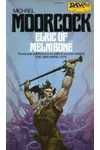
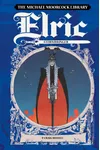
- Elric of Melniboné / The Dreaming City (1972): The essential starting point that introduces Elric, his love Cymoril, his treacherous cousin Yyrkoon, and how he first binds himself to the symbiotic, soul-eating black runesword, Stormbringer.
- The Sailor on the Seas of Fate (1976): An epic voyage across the multiverse where Elric joins forces with other aspects of the Eternal Champion to battle cosmic threats.
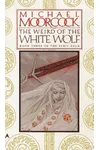
- The Weird of the White Wolf / The White Wolf (1977): A collection of critical stories detailing the tragic fall of Imrryr and Elric's transition into a wandering mercenary.
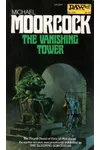
- The Vanishing Tower / The Sleeping Sorceress (1970): Elric confronts the sinister sorcerer Theleb K'aarna across different planes of existence.
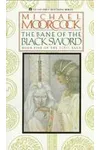
- The Bane of the Black Sword / Song of the Black Sword (1977): A collection tracking Elric's travels throughout the Young Kingdoms as his fate draws closer to the end.
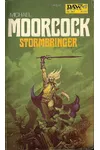
- Stormbringer (1977): The apocalyptic conclusion to Elric's story, where the ultimate war between Law and Chaos decides the fate of the multiverse.
Publication Order vs. Chronological Order
For readers who want to experience the evolution of Michael Moorcock’s writing style, reading in publication order is a viable alternative. Moorcock began publishing Elric stories in 1961 with the novelette The Dreaming City in Science Fantasy magazine. Many of these early tales were later revised, expanded, and compiled into the classic books we know today. However, reading strictly by publication date can feel disjointed because the narrative jumps back and forth across Elric's life timeline.
The Publication Order of Elric Saga Books
Based on the historical release dates of the primary collections and novels, the publication order is as follows:
- The Vanishing Tower / The Sleeping Sorceress (1970)
- Elric of Melniboné / The Dreaming City (1972)
- The Sailor on the Seas of Fate (1976)
- The Weird of the White Wolf / The White Wolf (1977)
- The Bane of the Black Sword / Song of the Black Sword (1977)
- Stormbringer (1977)
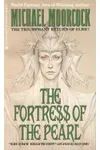
- The Fortress of the Pearl (1989)
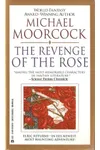
- The Revenge of the Rose (1991)
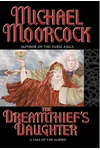
- The Dreamthief's Daughter (2001)
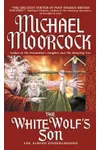
- The White Wolf's Son (2005)
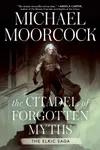
- The Citadel of Forgotten Myths (2022)
The Chronological Order of Elric Saga Books
If you prefer to follow Elric's biographical journey from start to finish, including the books written much later in Moorcock's career, the chronological order organizes the timeline as follows:
- Elric of Melniboné / The Dreaming City (1972)
- The Fortress of the Pearl (1989)
- The Sailor on the Seas of Fate (1976)
- The Weird of the White Wolf / The White Wolf (1977)
- The Vanishing Tower / The Sleeping Sorceress (1970)
- The Revenge of the Rose (1991)
- The Bane of the Black Sword / Song of the Black Sword (1977)
- Stormbringer (1977)
- The Dreamthief's Daughter (2001)
- The White Wolf's Son (2005)
- The Citadel of Forgotten Myths (2022)
Understanding the Chronological Caveats
While the chronological order seems logical, it comes with a major warning for new readers. Michael Moorcock wrote The Fortress of the Pearl (1989) and The Revenge of the Rose (1991) decades after the core 1970s books. The writing style in these later entries is vastly different—it is more descriptive, slower-paced, and highly philosophical compared to the fast-moving, pulpy, action-oriented style of the original sword-and-sorcery tales. Placing them between the core novels can disrupt the narrative momentum and pacing. Most experienced fans advise reading the original core six books first, and saving the retrofitted novels for a second visit to the Young Kingdoms.
Additionally, Moorcock's 2022 release, The Citadel of Forgotten Myths, is chronologically placed late in Elric's life, fitting right before the events of Stormbringer. However, reading it there can feel unusual due to the modern prose style compared to the vintage 1970s finale.
Subseries and Crossovers: The Moonbeam Roads Trilogy
In the early 2000s, Michael Moorcock expanded the Elric universe by writing a crossover trilogy that connects Elric with another of his famous literary families, the von Beks. This subseries is known as Elric: The Moonbeam Roads. These books tie Elric directly into the broader concept of the Eternal Champion and span historical Earth settings, including World War II.
The trilogy consists of the following works, which were re-released in 2013 and collected in a single omnibus in 2014:
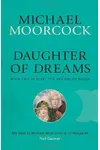
- Daughter of Dreams (originally published in 2001 as The Dreamthief's Daughter): Set during the rise of Nazi Germany, this book features Count Ulric von Bek teaming up with Elric to protect the Black Sword.
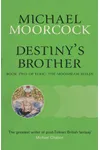
- Destiny's Brother (originally published in 2003 as The Skrayling Tree): Elric and Ulric travel to a mythical pre-Columbian America to prevent cosmic chaos.
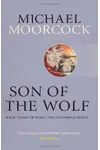
- Son of the Wolf (originally published in 2005 as The White Wolf's Son): The final chapter of the trilogy, centering on the culmination of the von Bek and Elric bloodlines.
Short Stories, Collections, and Graphic Novels
Beyond the primary novels, Elric's adventures have been told through shorter pieces, standalone novellas, and graphic adaptations. These help flesh out the rich lore of the Young Kingdoms and the multiverse.
Key Novellas and Stories
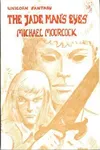
- The Jade Man's Eyes (1973) and The Return to Melniboné (1973) are essential supplementary stories that were integrated into later expanded editions of the core books.
Major Collections
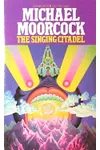
- The Singing Citadel (1970): An early collection containing crucial non-Elric stories alongside early Elric adventures that would later shape the main timeline.
- Elric: Stormbringer (1997): A collection pulling together early versions of the final stories.
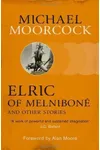
- Elric of Melniboné and Other Stories (2013): A comprehensive modern compilation featuring revised texts.
Graphic Novels and Comics
Elric’s striking visual design—white hair, crimson eyes, and the dark runesword—made him a perfect fit for visual mediums. Notable graphic novels include:
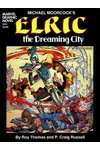
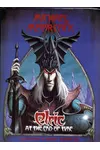
- The Dreaming City (1982) and Elric at the End of Time (1987): Graphic adaptations of Moorcock's classic stories, featuring stunning artwork that captures the psychedelic, dark fantasy aesthetic.
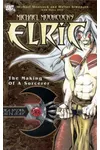
- The Making of a Sorcerer (2005): A graphic novel prequel exploring Elric's early training in the magic of Melniboné.
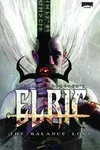
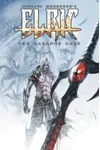
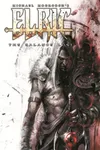
- Elric: The Balance Lost (Volumes 1-3, 2011): A comic series written by Chris Roberson that brings Elric together with other Eternal Champions like Corum and Hawkmoon to restore the cosmic balance.
What to Know Before You Start
Before diving into the Elric Saga, it is helpful to understand the unique literary landscape Michael Moorcock created. Moorcock wrote Elric as a deliberate subversion of the typical fantasy tropes of the mid-20th century. Where Robert E. Howard's Conan the Barbarian was physically dominant and relied on brute strength, Elric is physically frail, introspective, and dependent on drugs or the magical energy of his cursed sword to survive. While traditional fantasy often presents a simple battle between good and evil, Moorcock’s world revolves around the cosmic struggle between Law (stagnant order) and Chaos (destructive change), with the Eternal Champion tasked with maintaining a delicate Balance between the two. Expect a story filled with tragic choices, existential dread, and a complex morality that paved the way for modern grimdark fantasy.