

The Recommended Reading Order for Empire of the Wolf
For the best reading experience, we strongly recommend reading the Empire of the Wolf series in publication order. While Richard Swan has expanded the universe with prequel novellas set before the events of the first novel, starting with the main trilogy provides the essential introduction to the characters, the magic system, and the political stakes of the Sovan Empire. The trilogy is written as a memoir by Helena Sedanka, looking back at her life with Sir Konrad Vonvalt, making the main trilogy the most natural starting point.
Here is the recommended publication order for the main series and its companion stories:
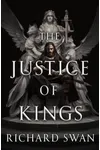
- The Justice of Kings (Novel, 2022)
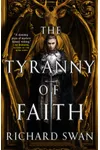
- The Tyranny of Faith (Novel, 2023)
- The Trials of Empire (Novel, 2024)
- The Scour (Prequel Novella, 2025)
- The Anguished Earth (Prequel Novella, 2026)
Chronological Reading Order
If you are a completionist who prefers to experience the timeline as it unfolds historically, you can opt for the chronological order. The prequel novellas follow Sir Konrad Vonvalt in his earlier years before Helena Sedanka became his clerk and apprentice. Here is how the books fall chronologically:
- The Scour (Prequel Novella, 2025) — Set 15 years before the events of The Justice of Kings.
- The Anguished Earth (Prequel Novella, 2026) — Set during a winter plague, shortly after the events of the first novella.
- The Justice of Kings (Novel, 2022) — The beginning of Helena's memoir.
- The Tyranny of Faith (Novel, 2023) — Plunging into the political corruption of the capital city.
- The Trials of Empire (Novel, 2024) — The epic climax and conclusion to the main narrative arc.
Breaking Down the Books and Novellas
The Main Trilogy
The Justice of Kings (2022): This is where it all begins. We are introduced to Sir Konrad Vonvalt, a respected Emperor's Justice, and his clerk and narrator, Helena Sedanka. What begins as a relatively straightforward investigation into the murder of a provincial noblewoman quickly unravels into a massive political conspiracy that threatens to tear the fabric of the Sovan Empire apart.
The Tyranny of Faith (2023): Following the shocking events of the first book, Vonvalt, Helena, and their companion Bressinger travel to the capital city of Sova. The empire is on the brink of civil war, and the stakes rise dramatically when they are tasked with rescuing the Emperor's kidnapped grandson, only to discover a deeper threat involving religious fanaticism and dark, extra-dimensional magic.
The Trials of Empire (2024): The final installment in the core trilogy brings the overarching story to a dramatic, action-packed conclusion. With the Sovan Empire fractured and under siege from both internal rebellions and terrifying demonic forces, Helena and Vonvalt must make impossible sacrifices to defend what remains of their civilization.
The Prequel Novellas
The Scour (2025): Set fifteen years before the first novel, this grimdark novella is published by Grimdark Magazine. It focuses on a younger Sir Konrad Vonvalt and his loyal companion Dubine Bressinger. Arriving in the coastal port of Gdansburg, they discover a fellow Justice has been imprisoned for the murder of a boy, leading them into a dark mystery centered around a haunted lighthouse and forgotten arcane horrors.
The Anguished Earth (2026): The second prequel novella follows Vonvalt during a brutal winter in the plague-ridden town of Eisbrück. Sent to retrieve a dangerous artifact, Vonvalt must navigate local hysteria, rumors of a demonic witch, and the breakdown of the law he is sworn to protect.
What to Know Before You Start
Richard Swan's background as a litigator shines through in the legalistic magic and structural components of the series. The Justices are not just soldiers; they are magistrates empowered by the state with unique, supernatural capabilities. These include the Emperor's Voice, which forces absolute truth from those who hear it, and necromancy, which allows them to question the spirits of the dead for testimony.
Another defining aspect of the series is its narrative voice. The entire trilogy is told in the first person by Helena as she reflects on her youth from her old age. This framing device creates a unique sense of dramatic irony, as Helena often hints at the tragic fates and historical consequences of the characters' actions long before they occur on the page. The tone is heavily inspired by historical empires (particularly the Holy Roman Empire) and features a blend of gritty realism, dark magic, and philosophical debates about the limits of law and order.