
The Recommended Reading Order
To fully appreciate the narrative arc and the gradual unfolding of Father Anselm's past, you should read the series in publication order. Because his personal history and spiritual evolution progress sequentially, jumping around will disrupt your understanding of his character.
Here is the recommended reading path for the Father Anselm mysteries:
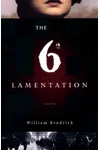
- The Sixth Lamentation (2003)
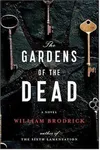
- The Gardens of the Dead (2006)
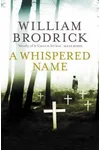
- A Whispered Name (2008)
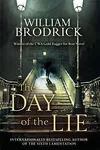
- The Day of the Lie (2012)
- The Discourtesy of Death (2013)
- The Silent Ones (2015)
Chronological Timelines and Order Caveats
While some cataloging systems or online listings suggest that The Sixth Lamentation was published in 1999, the debut novel was officially and widely released in 2003. This timeline discrepancy is likely due to early rights registration or draft catalogs, but the standard reading sequence begins with the 2003 publication.
It is also worth noting that the novels weave complex historical timelines. For instance, the investigations dive deep into past conflicts: World War II in The Sixth Lamentation, World War I in A Whispered Name, and the Cold War in Poland in The Day of the Lie. Despite these shifts back in time to explore historical crimes, the present-day narrative at Larkwood Priory moves forward chronologically. Therefore, attempting a chronological reading based on the historical settings is not recommended, as it would scramble Father Anselm's modern-day development and spoil key backstory revelations.
A Guide to the Father Anselm Novels
Each book in the series functions as a standalone investigation, yet they are tied together by recurring characters from Larkwood Priory and Anselm's legal past. Here is a breakdown of what to expect from each installment:
1. The Sixth Lamentation (2003)
The series opener introduces us to Father Anselm at Larkwood Priory, where a suspected Nazi war criminal, Eduard Schwermann, arrives seeking sanctuary. Anselm is tasked with investigating Schwermann's past, leading him to a resistance group in occupied Paris known as the Round Table. The book masterfully examines the gray areas of survival, guilt, and the generational trauma of the Holocaust.
2. The Gardens of the Dead (2006)
In this second entry, the sudden death of Anselm's former law partner, Elizabeth Glendinning, forces him to return to London and confront his previous life as a barrister. Elizabeth leaves behind a safety deposit box with instructions for Anselm to finish an investigation she started. The plot centers on a old trial where a predator named Graham Riley was acquitted, revealing the limitations of human justice systems.
3. A Whispered Name (2008)
Awarded the prestigious CWA Gold Dagger in 2009, this novel takes Father Anselm into the tragic history of the First World War. He looks into the court-martial and execution of a young soldier, Herbert Moore, at the Battle of Passchendaele. The story explores the concepts of duty, cowardice, and the lasting psychological scars of trench warfare.
4. The Day of the Lie (2012)
This entry takes Father Anselm to Poland, where he investigates a Cold War-era betrayal involving a former resistance fighter, Roza Mojeska. The narrative shifts between the oppressive atmosphere of communist-era Poland and Anselm’s modern quest to uncover who betrayed Roza, raising profound questions about truth, betrayal, and political survival.
5. The Discourtesy of Death (2013)
An anonymous letter sent to Larkwood Priory accuses a prominent academic of murdering his terminally ill partner, Jenny. As Anselm begins a quiet, unofficial investigation, he is drawn into a complex moral debate over euthanasia and assisted suicide. The stakes rise when Jenny's father, a retired soldier with a violent past, threatens to take justice into his own hands.
6. The Silent Ones (2015)
The final book in the series tackles a deeply sensitive and contemporary issue: a child abuse scandal that threatens to implicate individuals close to Father Anselm. When a cousin is accused of a crime, Anselm must navigate a web of secrets, institutional cover-ups, and personal loyalty, bringing a poignant conclusion to the series' exploration of institutional responsibility.
What to Know Before You Start
William Brodrick’s writing is heavily influenced by his own unique background. Before becoming a novelist, he spent time as an Augustinian friar and later practiced as a barrister. This dual experience of faith and the law shines through on every page. Father Anselm's investigations are not typical procedural whodunits; they are deep, cerebral inquiries into the human soul, justice, and mercy.
Readers who enjoy the slow-burn, atmospheric tension of John le Carol or the quiet moral weight of Graham Greene will find themselves right at home. The prose is rich and lyrical, favoring psychological depth and philosophical reflection over fast-paced action sequences.
Spin-Offs and Pseudonym Works
There are no direct spin-offs or companion novels set in the Father Anselm universe, and the series effectively concludes with The Silent Ones. However, if you are looking for more legal thrillers written with the same intelligence, William Brodrick writes a legal drama series under the pen name John Fairfax. This series follows the legal team of Benson and de Vere and includes Summary Justice (2017), Blind Defence (2018), and Forced Confessions (2020).