
The Recommended Path: Where to Start with Fear & Loathing
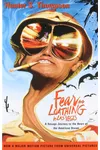
If you are ready to plunge into the chaotic, drug-addled world of Gonzo journalism, the best place to start is unquestionable: Fear and Loathing in Las Vegas: A Savage Journey to the Heart of the American Dream (originally serialized in Rolling Stone in 1971, published as a hardcover book in 1972). This is Hunter S. Thompson's masterpiece, a wild ride through the neon-drenched Nevada desert that defines his signature style. Followed by his alter ego Raoul Duke and his volatile attorney Dr. Gonzo (based on lawyer and civil rights activist Oscar Zeta Acosta), this book serves as both a hilarious bender and a tragic eulogy for the counterculture movement of the 1960s.
The story actually began as a straightforward sports assignment from Sports Illustrated to cover the Mint 400 motorcycle race. However, Thompson and Acosta quickly realized that the real story lay in the absurd spectacle of Las Vegas itself, leading to a drug-fueled odyssey that completely bypassed the race. Starting here allows you to experience Thompson at the peak of his literary powers. Collaborating with British illustrator Ralph Steadman, whose splattered, grotesque drawings perfectly match the text's hallucinatory energy, Thompson creates an unforgettable critique of American consumerism. Once you have survived the Vegas bender, you can expand into his political reporting and collected letters to see how his style evolved.
The Core Fear & Loathing Series in Publication Order
While Hunter S. Thompson did not write a traditional serialized fictional narrative, several of his most prominent books explicitly carry the "Fear and Loathing" brand or focus heavily on the reporting he did under that banner. Here is how they were published:
- Fear and Loathing in Las Vegas (1971/1972) - The seminal road trip that started it all. Raoul Duke and Dr. Gonzo search for the elusive American Dream in Las Vegas, fueled by a suitcase full of illegal substances, while confronting the glitz, greed, and paranoia of the Nixon era.
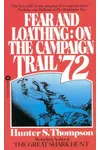
- Fear and Loathing on the Campaign Trail '72 (1973) - Thompson shifts his sights to the 1972 U.S. presidential election. He covers the Democratic primary race and Richard Nixon's reelection campaign with a level of subjective, unfiltered hostility that changed political journalism forever. The book exposes the cynical machinations of campaign managers, the media, and candidate personalities, particularly capturing the tragic campaign of George McGovern.
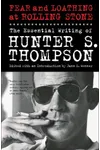
- Fear and Loathing at Rolling Stone: The Essential Writing of Hunter S. Thompson (2009) - A posthumous collection edited by Jann S. Wenner. It compiles over forty articles, internal memos, and correspondence spanning from 1970 to 2004, offering a comprehensive look at Thompson’s relationship with the legendary magazine and highlighting his coverage of political figures from Richard Nixon to Bill Clinton.
The Fear and Loathing Letters Series
For readers who want to peer behind the curtain and understand the man behind the Gonzo myth, Thompson's personal correspondence is essential. Published as a multi-volume collection, these letters showcase his brilliant mind, his early struggles, and his transition into a countercultural icon:
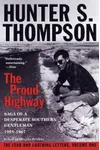
- The Proud Highway: Saga of a Desperate Southern Gentleman, 1955–1967 (1997) - This volume covers Thompson's youth, his stint in the Air Force, his early freelance writing gigs, and the build-up to the publication of Hell's Angels. It features letters to family, editors, and literary figures like Norman Mailer and Tom Wolfe, revealing his meticulous work ethic and deep literary ambitions long before he became famous.
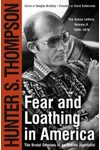
- Fear and Loathing in America: The Brutal Odyssey of an Outlaw Journalist, 1968–1976 (2000) - Edited by Douglas Brinkley, this volume covers his most famous era. It documents the creation of his iconic books, his run for Sheriff of Aspen, Colorado, on the "Freak Power" ticket, and his complex, volatile interactions with Oscar Zeta Acosta and Rolling Stone founder Jann Wenner.
- The Mutineer: Rants, Ravings, and Missives from the Mountaintop, 1977–2005 (Unpublished / Discrepancy) - Although frequently listed in databases with a placeholder publication year of 2012, this third volume of correspondence was never officially published. Following Thompson's death in 2005, the project remained unfinished and is currently unavailable to the public. Readers should be aware that any online listings or retail pages claiming to sell copies of this book are incorrect.
Precursors and Companion Works
To fully appreciate the scope of the Fear & Loathing universe, you should also look at the books that laid the groundwork or compiled his legendary essays:
- Hell's Angels: The Strange and Terrible Saga of the Outlaw Motorcycle Gangs (1966) - Thompson spent a year living and riding with the Hell's Angels. While it predates the "Fear and Loathing" moniker, this book is crucial as it established his participatory, immersive style of reporting, showing his willingness to put himself in physical danger to get to the core of a subculture.
- The Great Shark Hunt: Gonzo Papers, Vol. 1 (1979) - A massive anthology of Thompson's articles, essays, and reports from the mid-1950s to the late 1970s. It features "The Kentucky Derby Is Decadent and Depraved," the 1970 article that is widely considered the very first piece of Gonzo journalism, introducing the signature blend of self-deprecation and societal critique.
- Songs of the Doomed: More Notes on the Death of the American Dream (1990) - The third volume of the Gonzo Papers, blending autobiographical essays, letters, and fictionalized recollections to chronicle the decade-by-decade decay of American idealism from the 1950s through the 1980s.
Chronological Event Order vs. Publication Order
Because these works are journalistic collections and semi-autobiographical accounts, you do not need to read them in a strict order to understand the plot. However, matching the books to the historical periods they cover offers a unique perspective on Thompson's life and American history:
If you want to read them chronologically by the events described, start with The Proud Highway (covering 1955–1967), followed by Hell's Angels (1966). Next, read Fear and Loathing in Las Vegas (1971) and Fear and Loathing in America (covering letters up to 1976, which contextualizes his famous Vegas and campaign trail runs). Follow this with Fear and Loathing on the Campaign Trail '72 (1972 election coverage), and finally, dive into the compilations like The Great Shark Hunt, Songs of the Doomed, and Fear and Loathing at Rolling Stone to witness his long-term reflections on politics and culture up to his final years.
What to Know Before You Start
Before diving into Hunter S. Thompson's writing, it is helpful to keep a few key concepts in mind:
The Gonzo Style: Unlike traditional journalists who strive for objective, detached reporting, Thompson threw himself directly into the story. He became the central character, believing that absolute truth could only be found through direct, subjective experience. Expect highly exaggerated situations, satirical rants, and a blurred line between fact and fiction.
Ralph Steadman's Art: The visual identity of Fear and Loathing is inseparable from Ralph Steadman. His surreal, ink-splattered, and sometimes disturbing illustrations accompany many of Thompson's key works and help convey the psychological state of the narrative. They are not merely decorations; they are active components of the Gonzo experience.
The Adaptation: If you are a fan of the 1998 film adaptation directed by Terry Gilliam, you will find that Johnny Depp's portrayal of Raoul Duke and Benicio del Toro's depiction of Dr. Gonzo are remarkably faithful to the book. However, reading the original text reveals a deeper, more melancholic undercurrent regarding the death of 1960s idealism—exemplified by Thompson's famous "wave speech"—that the film sometimes glosses over in favor of pure comedy.