


How to Read the Fifth Avenue Series in Order
The Fifth Avenue series by Christopher Smith is a high-octane thriller saga that peels back the glittering facade of Manhattan's ultra-wealthy to reveal a dark underbelly of assassination, corporate greed, and multi-generational vendettas. To fully appreciate the shifting alliances, recurring villains, and character developments, readers should follow the series in its publication order.
While Christopher Smith has noted that the books can technically be enjoyed as standalone thrillers, the recurring presence of key characters—such as private investigator Marty Spellman, the cold-blooded assassin Vincent Spocatti, and the lethal yet sympathetic Carmen Gragera—creates a continuous narrative thread. Reading them out of order will spoil major plot twists and character deaths from earlier volumes.
Fifth Avenue Books in Publication and Recommended Order
Here is the recommended reading path for the Fifth Avenue series, which follows the original release timeline:
- Fifth Avenue (2010): The book that started it all. The plot revolves around self-made billionaire Louis Ryan, who launches a ruthless campaign to destroy his rival George Redman and the Redman family as retribution for a murder committed decades prior. Ryan hires a deadly international hitman, plunging Redman's daughters, Celina and Leana, into a fight for survival.
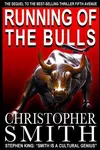
- Running of the Bulls (2011): This second installment shifts the spotlight to private investigator Marty Spellman. He is tasked with tracking down the assassins Vincent Spocatti and Carmen Gragera. The plot escalates as a Wall Street tycoon attempts to execute his own lethal revenge scheme, showing that the danger is spreading far beyond the Redman family circle.
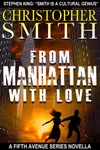
- From Manhattan with Love (2011): A shorter novella that acts as a deep dive into the background and psyche of the assassin Carmen Gragera. It explores her complicated lifestyle, blending lethal contract work with elements of romance and personal survival, setting up key elements for her future appearances.
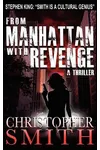
- From Manhattan with Revenge (2012): This direct follow-up focuses on Carmen Gragera seeking vengeance after her lover and fellow assassin, Alex Williams, is murdered by a powerful syndicate. In an unlikely partnership, she teams up with an eccentric Park Avenue heiress, a 103-year-old psychiatrist, and her former colleague Vincent Spocatti to track down the killers.
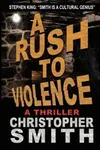
- A Rush to Violence (2012): The fifth book centers on Camille Miller, a retired assassin who is pulled back into the shadows when her billionaire father is murdered. With her six greedy siblings acting as prime suspects, Camille must protect her daughter Emma. She is joined by Marty Spellman and his daughter Beth in a high-stakes race to solve the mystery.
- Park Avenue (2013): The explosive finale of the series. Here, the disparate storylines and characters from the previous five books collide. Even after the death of the primary antagonist, a posthumous directive ensures the destruction of the Redman family continues, forcing the remaining survivors to unite against a final, relentless conspiracy.
Chronological vs. Publication Order Caveats
For the most part, the chronological timeline of the Fifth Avenue series matches the order of publication. However, the third book, From Manhattan with Love, functions largely as a character-focused novella rather than a direct sequel to Running of the Bulls. Some readers wonder if they can skip it or read it out of order.
It is highly recommended to read From Manhattan with Love exactly third, right before From Manhattan with Revenge. Because From Manhattan with Revenge relies heavily on the emotional state, relationships, and character development established in the novella, reading the two back-to-back provides the most satisfying narrative flow.
What to Know Before You Start
Christopher Smith brings a unique cinematic quality to the Fifth Avenue books. As a former film critic who reviewed thousands of movies, Smith structures his novels with fast pacing, sharp dialogue, and visual scene-setting that makes the series feel like a modern action-thriller film. His depiction of New York City acts as a character in its own right, contrasting the luxurious penthouses of Fifth and Park Avenues with the gritty, dangerous streets where assassins and private investigators operate.
Readers should prepare for morally complex characters. There are very few traditional heroes in this series; instead, you will find yourself root-seeking for assassins like Carmen Gragera and flawed private eyes who must make questionable choices to survive the ruthless games of billionaires.