

The Recommended Reading Order for Frank Corso
For the best reading experience, the Frank Corso books should be read in their original publication order. The narrative follows a strict chronological progression, tracing Frank's evolving investigative career, his complex personal relationships, and the shifting dynamics of his partnership with photographer Meg Dougherty. Reading the books out of order will spoil major character arcs, particularly the fallout of life-altering events that occur in the second and fifth novels.
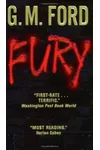
- Fury (2001)
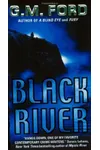
- Black River (2002)
- A Blind Eye (2003)
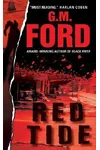
- Red Tide (2004)
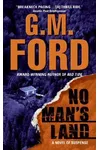
- No Man's Land (2005)
- Blown Away (2006)
Understanding the Frank Corso Reading Sequence
Publication Order vs. Chronological Order
There is no divergence between the publication order and the chronological order in this series. The events of each book occur in the sequence they were written and published, starting with Frank's arrival as a reclusive writer in Seattle and culminating in the explosive events of the final novel. Following this sequence allows you to watch the characters age, change, and carry the psychological and physical scars of their previous cases.
The Legacy of the Series
G.M. Ford began publishing the Frank Corso series in 2001, seeking a sharper departure from his established Leo Waterman mystery series. Where the Waterman books are known for their lighter, humorous, and satirical tone, the Corso books are uncompromisingly dark, atmospheric, and plot-heavy. The series concluded in 2006 with the publication of the sixth novel, leaving behind a complete, tightly written saga of investigative noir.
Detailed Breakdown of the Frank Corso Books
Here is a closer look at the six novels in the series, outlining the mysteries Frank investigates and how the overarching narrative builds over time.
1. Fury (2001)
The series opens with Fury, introducing readers to Frank Corso, a former star reporter for the New York Times who was disgraced and fired for fabricating a major story. Now living on a boat in Seattle and writing true-crime books, Frank is pulled back into the investigative spotlight when Silas Warren, a convicted serial killer scheduled for execution, suddenly finds hope. A key witness recants her testimony, and Frank is hired to dig up the truth before the state puts an innocent man to death. This book establishes Frank's cynical worldview and introduces his primary collaborator, Meg Dougherty.
2. Black River (2002)
In Black River, which earned G.M. Ford critical acclaim and starred reviews from Publishers Weekly, the stakes become deeply personal. While Frank is covering the high-profile trial of a notorious mob boss, associates of the criminal target Meg Dougherty. Meg is brutally attacked and left fighting for her life in an intensive care unit. Devastated and fueled by rage, Frank launches a relentless, unsanctioned investigation to bring down the criminal syndicate responsible, crossing lines he had previously avoided.
3. A Blind Eye (2003)
The third installment, A Blind Eye, takes Frank and Meg away from the rainy streets of Seattle and into a bitter winter landscape. While investigating a cold case involving the long-forgotten slaughter of a family decades earlier, the duo finds themselves trapped in a small, isolated town by a fierce blizzard. As they dig deeper into the town's historical secrets, they realize the killer is not only still alive but is willing to strike again to keep the past buried.
4. Red Tide (2004)
In Red Tide, terror strikes the heart of Seattle when a lethal, weaponized biological agent is released inside a busy bus tunnel, claiming over one hundred lives. The attack occurs just as international chemical weapons experts gather in the city. Frank is nearby attending an art show for Meg and rushes to investigate the scene. Due to his proximity and his history of anti-establishment reporting, federal authorities target him as a prime suspect. Frank must go on the run to clear his name while hunting down the real conspirators behind the terror plot.
5. No Man's Land (2005)
The action shifts to Arizona in No Man's Land, centering on Meza Azul, a state-of-the-art, high-tech penitentiary designed to be completely escape-proof. When the inmates stage a violent takeover under the leadership of Timothy Driver—a former Navy submarine commander whom Frank previously profiled in a bestselling book—they take over one hundred hostages. Driver refuses to negotiate with anyone except Frank. Entering the prison in an attempt to save lives, Frank is quickly trapped inside. When Driver escapes during a botched government assault, Frank is dragged along as a hostage on a bloody cross-country run.
6. Blown Away (2006)
The final novel, Blown Away, brings the series to a chilling and controversial close. A wave of bizarre bank robberies and bombings sweeps from Pennsylvania to Los Angeles, with victims forced to carry active bombs. Federal agencies treat the mastermind as a random terrorist, but Frank senses a deeper, personal pattern. Working with his assistant, Chris Andriatta, Frank realizes that the perpetrator is modeling the crimes on Frank's own investigative writings. Confronting a monster of his own making, Frank faces a final confrontation that permanently alters his life.
What to Know Before You Start
The Seattle Noir Setting
Unlike many lighthearted detective stories, the Frank Corso series belongs firmly in the realm of Pacific Northwest noir. G.M. Ford utilizes Seattle's fog, rain, and moody geography to mirror Frank's own internal isolation. The setting acts as a character itself, shifting from Seattle's urban grit to the snowstorms of the Cascade Mountains and the oppressive heat of the Arizona desert in later books.
Meg Dougherty and the Core Dynamic
The emotional core of the series is the relationship between Frank and Meg. Meg is a tough-as-nails freelance photographer with a traumatic past of her own, marked by physical and psychological scars from an abusive ex-boyfriend. Rather than a traditional romance, their dynamic is built on mutual respect, shared trauma, and a fierce loyalty. Their partnership evolves significantly over the six books, and understanding Meg's character development is crucial to enjoying the series.
The Leo Waterman Connection
Fans of G.M. Ford's other major work will appreciate a minor crossover. In Fury, Leo Waterman—the humorous Seattle private investigator from Ford's signature series—makes a brief cameo appearance. While this establishes that both characters inhabit the same literary Seattle, the cameo is merely a fun nod to readers and has no bearing on the plot of either series.
Practical Reader Advice
Where to Start
You should absolutely start with the first book, Fury. Because the books rely on the slow rebuilding of Frank's career and the personal trauma experienced by Meg, starting later in the series will leave you confused about their motivations and the references to past injuries.
Can the Books Be Read as Standalones?
While each book features a self-contained mystery that is resolved by the final chapter, they are not recommended as standalones. The character growth, recurring side characters, and the psychological impact of past cases carry over heavily from book to book. This is especially true for the transition between Black River and A Blind Eye, and the finality of Blown Away.