





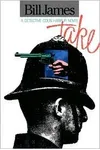
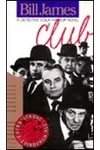
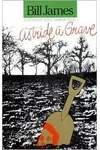
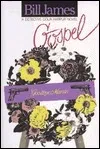






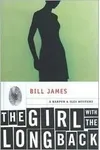
The Harpur & Iles series, penned by the prolific Welsh author James Tucker under the pseudonym Bill James, stands as a testament to the gritty, darkly humorous world of British crime fiction. Set against the backdrop of an unnamed city in Southwest England, this long-running series has captivated readers with its unflinching portrayal of the complex relationships between law enforcement, criminals, and the general public.
At the heart of the series are two compelling protagonists: Detective Chief Inspector Colin Harpur and Assistant Chief Constable Desmond Iles. Their dynamic, often fraught with tension and rivalry, forms the backbone of the narrative, offering readers a nuanced exploration of police work and the moral ambiguities that come with it.
Colin Harpur, introduced in the series' debut "You'd Better Believe It," is a rising star in his mid-30s. His character is immediately established as complex and morally ambiguous, juggling his professional duties with personal indiscretions, including an affair with a colleague's wife. Harpur's investigative style is characterized by his reliance on informants and his willingness to bend rules to achieve results, setting the tone for the series' exploration of the grey areas in law enforcement.
Desmond Iles, initially a background figure, evolves into a fully-fledged character as the series progresses. His toxic careerism and prejudices, particularly evident in "The Lolita Man," add another layer of complexity to the police hierarchy and interpersonal dynamics within the force. Iles' antagonistic relationship with Harpur becomes a central element of the series, driving much of the internal conflict and tension.
The fictional city where the series is set becomes a character in its own right. Described as a small town south of London, it's portrayed as a place where big-city criminals see opportunities for easy targets. This setting allows James to explore the intersection of small-town politics and big-city crime, creating a unique backdrop for the unfolding dramas.
One of the series' strengths lies in its narrative structure. James often drops readers directly into the middle of investigations, bypassing traditional build-ups and immediately immersing the audience in the thick of the action. This technique, employed from the very first book, creates a sense of urgency and realism, mimicking the often chaotic nature of police work.
The criminal elements in the Harpur & Iles series are not mere plot devices but fully realized characters with their own motivations and complexities. From bank robbers to drug wholesalers to serial killers, James paints a vivid picture of the criminal underworld that Harpur and Iles must navigate. The author's decision to occasionally narrate from the perspective of the criminals, as seen in "The Lolita Man," adds depth to the antagonists and provides chilling insights into their psyches.
James' writing style is characterized by its dark humor and bleak outlook on the relationships between various societal elements. This tone permeates the series, offering a cynical yet engaging perspective on law enforcement and criminal justice. The author's background as a journalist shines through in his attention to detail and ability to create authentic, believable scenarios.
Evolving Themes and Character Development
As the series progresses, readers witness the evolution of both main characters and recurring cast members. The relationship between Harpur and Iles, initially one of superior and subordinate, becomes increasingly complex and fraught with tension. This dynamic serves as a microcosm for the larger themes of power, loyalty, and corruption that the series explores.
The recurring cast of characters on both sides of the law adds depth and continuity to the series. Informants, fellow officers, and criminal figures weave in and out of the narratives, creating a rich tapestry of interconnected stories that span multiple books. This approach allows James to explore long-term consequences and character arcs that extend beyond the confines of a single novel.
One of the most intriguing aspects of the series is its exploration of the symbiotic relationship between police and criminals. Harpur's reliance on informants, and the subsequent entanglement in their affairs, blurs the lines between law enforcement and criminal activity. This moral ambiguity is a recurring theme, challenging readers to question the nature of justice and the means by which it is achieved.
The series also delves into the personal lives of its characters, particularly Harpur. His extramarital affairs and complicated family life add a human element to his character, making him more relatable and flawed. These personal storylines often intersect with professional ones, creating additional layers of conflict and tension.
As the series progresses, James introduces various subplots that add depth to the overarching narrative. Interagency rivalries, as seen in "The Lolita Man" with the involvement of a Catholic-led police force, provide commentary on institutional politics and prejudices within law enforcement. These subplots serve to enrich the world of the series and provide social commentary on broader issues.
The author's decision to write under multiple pseudonyms, including Bill James for this series, adds an intriguing layer to the literary landscape. This practice allows Tucker to explore different styles and genres while maintaining distinct voices for each pen name. For the Harpur & Iles series, the Bill James persona has become synonymous with gritty, realistic crime fiction.
The longevity of the Harpur & Iles series is a testament to its quality and the author's ability to keep the narratives fresh and engaging. With each new installment, James builds upon the established world, deepening character relationships and expanding the scope of the overarching story. This continuous development ensures that long-time readers remain invested while also allowing new readers to jump in at various points.
In conclusion, the Harpur & Iles series stands as a significant contribution to the crime fiction genre. Through its complex characters, morally ambiguous scenarios, and unflinching look at the realities of police work, the series offers readers a thought-provoking and engaging exploration of crime and justice. Bill James' crisp prose, dark humor, and intricate plotting have created a world that continues to captivate readers, book after book, solidifying the series' place in the pantheon of great British crime fiction.