












First Things First: Clearing Up the Bill James Name
Before you dive into the streets of British crime fiction, there is an important point of confusion to clear up. There are two prominent writers named Bill James. One is the famous American baseball writer and statistician who pioneered sabermetrics. The other—the subject of this reading order—is the pen name of Allan James Tucker (1929–2023), a prolific Welsh novelist who wrote some of the most critically acclaimed, cynical, and darkly humorous police procedurals in the history of British noir.
Tucker published under his own name (James Tucker) as well as several pseudonyms, including Bill James, David Craig, and Judith Jones. If you are looking for gripping espionage, corrupt cops, and sharp-witted criminals, you are in the right place.
The Core Masterpiece: The Harpur & Iles Reading Order
The crown jewel of Bill James's bibliography is the Harpur & Iles series. Spanning 37 books published over nearly four decades, these novels follow the professional and personal lives of Detective Chief Inspector Colin Harpur and his brilliant but highly erratic superior, Assistant Chief Constable Desmond Iles.
Set in a nameless, seedy port city in South Wales or Southwest England, the series is famous for its moral ambiguity. Harpur is a relatively decent family man trying to navigate the underworld, while Iles is a cynical, unhinged, yet deeply intellectual officer who believes the police and criminals are simply two sides of the same coin. Rather than aiming to eradicate crime, they manage it, often making questionable deals with local drug kingpins like Jack Lamb.
Where to Start Harpur & Iles
You should absolutely start with the very first book, You'd Better Believe It (1985). While each novel contains a self-contained investigation, the overarching narrative of the series relies heavily on character development, changing family dynamics (including Harpur's wife Megan and their daughters), and the evolving chess match between the police force and the criminal underworld. Reading them in order is highly recommended to fully appreciate the brilliant, slow-burn character arcs.
Harpur & Iles Publication Order
- You'd Better Believe It (1985)
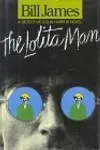
- The Lolita Man (1987)
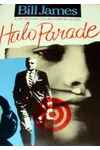
- Halo Parade (1987)
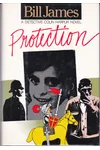
- Protection (1988)
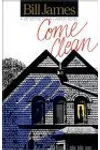
- Come Clean (1989)
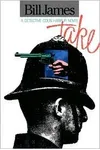
- Take (1990)
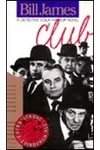
- Club (1991)
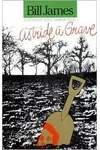
- Astride a Grave (1991)
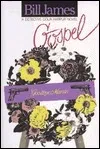
- Gospel (1992)
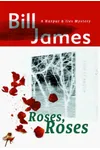
- Roses, Roses (1993)
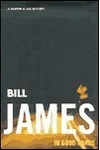
- In Good Hands (1994)
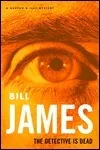
- The Detective Is Dead (1995)
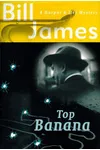
- Top Banana (1996)
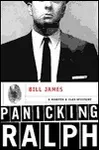
- Panicking Ralph (1998)
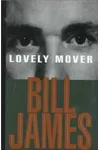
- Lovely Mover (1998)
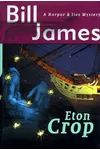
- Eton Crop (1999)
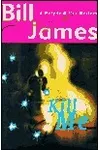
- Kill Me (2000)
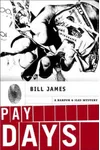
- Pay Days (2001)
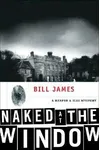
- Naked at the Window (2002)
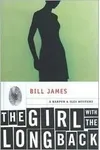
- The Girl with the Long Back (2003)
- Easy Streets (2004)
- Wolves of Memory (2005) — Shortlisted for the CWA Gold Dagger (Duncan Lawrie Dagger) in 2006.
- The Sixth Man and Other Stories (2006)
- Girls (2006)
- Pix (2007)
- In the Absence of Iles (2008)
- Hotbed (2009)
- I Am Gold (2010)
- Vacuum (2011)
- Undercover (2012)
- Play Dead (2013)
- Disclosures (2014)
- Blaze Away (2015)
- First Fix Your Alibi (2016)
- Close (2017)
- Hitmen I Have Known (2019)
- Low Pastures (2022)
Cardiff Noir: Brade & Jenkins and DC Sally Bithron
In addition to Harpur & Iles, the author wrote other gritty crime series set in Cardiff, Wales, utilizing different pseudonyms to distinguish the tone and settings.
Brade and Jenkins Books (Writing as David Craig)
This series focuses on detectives David Brade and Glyndwr Jenkins as they navigate organized crime, urban redevelopment, and institutional corruption in Cardiff. The three key novels in the database are:
- The Tattooed Detective (1998)
- Torch (1999)
- Bay City (2000)
DC Sally Bithron Books (Writing as David Craig)
Another Cardiff-based procedural stars Detective Constable Sally Bithron. This short series provides a fresh female perspective on police corruption and the underworld, working alongside Assistant Chief Constable Esther Davidson. The two books should be read in order:
- Hear Me Talking to You (2005)
- Tip Top (2006)
The Espionage Collections: Roy Rickman & Simon Abelard
If you prefer international intrigue and intelligence operations over local police beats, Allan James Tucker has you covered with his spy series.
Roy Rickman Books (Writing as David Craig)
This classic trilogy from the late 1960s and early 1970s features intelligence officer Roy Rickman. It is a fantastic entry point for fans of Cold War espionage:
- The Alias Man (1968)
- Message Ends (1969)
- Contact Lost (1970)
Bellecroix and Roath Books (Writing as David Craig)
Published around the same time as the Rickman trilogy, this short series follows agents Bellecroix and Roath through tense thrillers:
- Young Men May Die (1970)
- A Walk at Night (1971)
Simon Abelard Books (Writing as Bill James)
Returning to espionage in the 2000s under his Bill James moniker, the author penned a pair of smart, satirical novels featuring Simon Abelard, a mixed-parentage agent recruited into the British Intelligence agency known as "the Outfit":
- Split (2001)
- A Man's Enemies (2004)
The Judith Jones Pseudonym: Kerry Lake
To further diversify his output, the author utilized the pen name Judith Jones for the Kerry Lake detective series. The series focuses on Detective Kerry Lake and includes:
- Baby Talk (1998)
- After Melissa (1999)
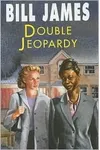
Note: A third book featuring the character, Double Jeopardy (2005), was published under the Bill James name and is often grouped with his standalone works.
Standalone Novels and Anthologies
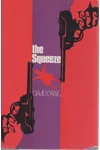
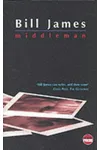
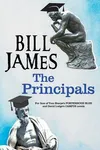
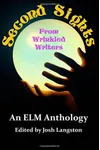
For readers looking for quick, non-serialized crime stories, Bill James / David Craig wrote a variety of standalones. Notable standalone books include early David Craig thrillers like Up from the grave (1971), Double take (1972), Knifeman (1973), and Whose Little Girl Are You? (1974)—which was adapted into the 1977 film The Squeeze. Later standalone works include Middleman (2002), Between Lives (2004), and The Principals (2016). Crime short story fans can also find his work in anthologies like Second Sights: From Wrinkled Writers (2014) and Weirdbook #37 (2017).