



Where to Start: The Southeast London Noir Entry Point
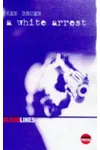
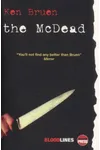
For readers looking to immerse themselves in the chaotic and violent world of Ken Bruen's Southeast London, the absolute best place to start is the beginning. A White Arrest (1998) serves as the perfect entry point, establishing the gritty atmosphere of the southeast London precinct and introducing the core cast. Alternatively, readers can pick up The White Trilogy, a convenient omnibus collection that packages the first three novels—A White Arrest, Taming the Alien, and The McDead—into a single volume. Starting here is crucial because, despite the books functioning as lean, fast-paced novellas, the character dynamics, psychological decay, and ongoing vendettas build progressively across the series.
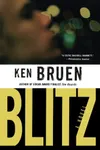
While some readers are drawn directly to Blitz (2002) due to the high-profile film adaptation starring Jason Statham, starting there means missing the foundational development of Detective Sergeant Tom Brant's relationships with his colleagues. The series thrives on its character arcs, particularly the mounting tension between the precinct's dysfunctional officers, which reaches a boiling point in the later novels.
The Core Characters and Southeast London Setting
The series is anchored by two central figures who stand in sharp contrast to traditional crime fiction duos: Detective Sergeant Tom Brant and Chief Inspector James Roberts. DS Tom Brant is a ruthless, politically incorrect, and violent anti-hero who frequently relies on brass knuckles and street justice rather than standard forensic procedures. He represents the dark side of policing—a cop who is just as dangerous as the criminals he hunts, yet possesses a strange, buried code of survival. Roberts, his long-time partner and supervisor, is an aging chief inspector dealing with personal grief and administrative burnout, serving as a calculating foil to Brant's impulsive brutality.
Adding depth to this hostile ecosystem is WPC Elizabeth Falls, a troubled female officer struggling to navigate the deeply cynical and misogynistic environment of the precinct. Bruen does not shy away from exposing the moral gray areas, corruption, and psychological toll of urban policing. The setting of Southeast London is treated as a decaying character in its own right—a bleak landscape where the thin blue line is constantly blurred by violence, betrayal, and dark humor.
The Complete Book Order of the Inspector Brant Series
The series consists of seven novels published between 1998 and 2007. They should be read in chronological publication order to fully appreciate the narrative continuity and the evolution of Ken Bruen's distinct literary style:
- A White Arrest (1998): The debut novel introduces the precinct as Brant and Roberts hunt a vigilante targeting local drug dealers, while also tracking a serial killer who is systematically murder-targeting members of England's national cricket team. The title refers to a high-profile, clean arrest designed to cover up past police blunders.
- Taming the Alien (1999): The duo tracks a brutal hitman nicknamed 'The Alien,' who famously executes his victims while watching the movie Alien. Brant must navigate the criminal underworld while dealing with escalating internal pressures.
- The McDead (2000): Roberts seeks personal vengeance against a powerful London crime kingpin who murdered his brother, dragging Brant into a chaotic and highly personal blood feud.
- Blitz (2002): The most famous installment in the series, pitting the precinct against a ruthless, cop-killing serial killer who targets officers in an attempt to gain media notoriety.
- Vixen (2003): The aftermath of the 'Blitz' case lingers as WPC Elizabeth Falls finds herself in serious jeopardy, forcing Brant and the team to navigate a web of betrayal and street-level extortion.
- Calibre (2006): The precinct faces a deadly sniper terrorizing the streets of London, escalating the body count and pushing Brant's unconventional methods to their absolute limit.
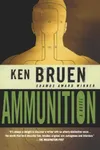
- Ammunition (2007): The final novel in the series begins with a shocking event when a gunman shoots Brant multiple times in a local pub. As Brant fights for his life, his colleagues must handle the violent fallout while questioning who finally decided to pull the trigger.
Connecting the Dots: Crossovers and the Bruen Universe
Ken Bruen has constructed a shared literary universe across his novels, bridging the gap between his Southeast London police procedurals and his famous Jack Taylor series, which is set in Galway, Ireland. The connective tissue between these two worlds is a British police officer named Keegan, an avid reader of Ed McBain's 87th Precinct novels. Keegan appears as a recurring figure in the Brant novels and officially crosses over into the Jack Taylor universe in the 2002 novel The Killing of the Tinkers. While the Brant books focus on the urban grit of London and the Taylor books explore Hibernian noir in Ireland, this crossover rewards longtime readers of Bruen's bibliography.
The Cinematic Leap: The 2011 Film Adaptation
In 2011, the fourth book in the series, Blitz, was adapted into a British action-thriller directed by Elliott Lester and written by Nathan Parker. The film starred Jason Statham as DS Tom Brant, Paddy Considine as Porter Nash, Luke Evans as DI Craig Stokes, Zawe Ashton as WPC Elizabeth Falls, and Aidan Gillen as the psychotic killer Barry 'Blitz' Weiss. While the film captures the brutal violence of the novel, it shifts the focus toward a more traditional action-thriller template to match Statham's screen persona, softening some of the book's darker, more experimental narrative choices and altering the bleak resolution of the original text.
What to Know Before You Start
Before diving into the Inspector Brant series, readers should prepare for Ken Bruen's unique writing style. Bruen employs a highly stylized, minimalist, and rapid-fire prose format. His pages are often filled with short, clipped sentences, extensive pop-culture references, and literary epigraphs from hard-boiled icons like Ed McBain and Jim Thompson. The tone is deeply dark, funny, and violent, rejecting the clean endings of traditional cozy mysteries in favor of a raw, punk-rock aesthetic. Because characters are frequently killed off or permanently scarred, maintaining chronological order is essential to follow the tragic trajectory of the Southeast London precinct.