
Where to Start Reading the Inspector Chen Series
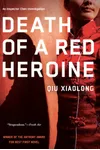
For the best experience, readers should start the Inspector Chen series with the first novel, Death of a Red Heroine (2000). This book introduces Chief Inspector Chen Cao and his partner, Detective Yu, establishing their working dynamic and setting the tone for the political tightrope walk that defines Chen's career. Starting here allows you to fully appreciate the progression of Chen's life, his evolving relationship with the Chinese Communist Party, and the dramatic economic shifts in Shanghai from the 1990s onward.
While most books feature self-contained mysteries, reading them out of order will spoil significant character developments, including Chen's career promotions, demotions, and his transformation from a state-sanctioned detective into a sidelined independent investigator fighting systemic corruption.
Publication Order of the Inspector Chen Novels
Following the publication order is the most straightforward and recommended way to read the series. This order tracks the real-world progression of China's transition from a post-Cultural Revolution socialist state to a rapid capitalist economy. As of 2026, the main novel series consists of 14 books:
- Death of a Red Heroine (2000) - The award-winning debut where Chen investigates the murder of a national model worker, exposing political corruption and the lingering scars of the Cultural Revolution.
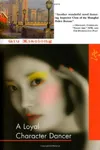
- A Loyal Character Dancer (2002) - Chen is paired with a U.S. Marshal to locate a missing witness, diving into the dark world of human trafficking and triads.
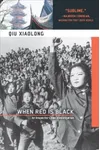
- When Red Is Black (2004) - While Chen is on forced leave, Detective Yu investigates the murder of a novelist, exposing the clash between traditional culture and commercialism.
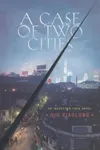
- A Case of Two Cities (2006) - Chen travels to the United States on a joint task force investigation targeting corruption and systemic bribery among high-ranking Chinese officials.
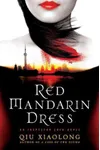
- Red Mandarin Dress (2007) - A serial killer targets young women wearing red mandarin dresses in Shanghai, forcing Chen into a complex psychological chase.
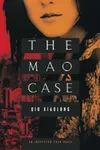
- The Mao Case (2009) - Chen is tasked with a highly sensitive political case involving the granddaughter of one of Mao Zedong's former mistresses.
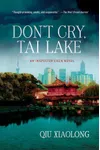
- Don't Cry, Tai Lake (2012) - On a vacation to Wuxi, Chen investigates the murder of an environmental activist amidst industrial pollution scandals.
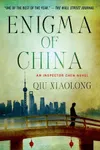
- Enigma of China (2013) - Published in some regions (such as France) under the title Cyber China, this entry deals with internet whistleblowers, blogs, and the mysterious death of a corrupt official.
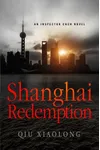
- Shanghai Redemption (2014) - Sidelined by his superiors and demoted to a powerless position, Chen must operate in the shadows to clear his name and expose a web of political corruption.
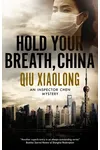
- Hold Your Breath, China (2020) - Chen is brought back as a special investigator to track down an environmental whistleblower amid hazardous smog and government cover-ups.
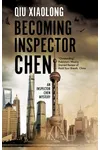
- Becoming Inspector Chen (2021) - While facing potential disciplinary action, Chen reflects on his youth during the Cultural Revolution and his very first cases.
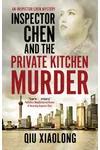
- Inspector Chen and the Private Kitchen Murder (2021) - Operating during strict government surveillance, Chen investigates a murder at an exclusive dining club that parallels a historical Judge Dee case.
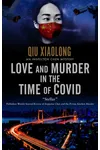
- Love and Murder in the Time of Covid (2023) - Set during the strict lockdowns in Shanghai, Chen investigates a series of murders that expose the human cost of the zero-COVID policy.
- The Secret Sharers (2026) - Enlisted by his friend Old Hunter, Chen investigates the disappearance of a dissident, leading him to confront memories of the 1989 Tiananmen Square protests and his own past decisions.
The Prequel Puzzle: Chronological Order Caveats
The only major chronological deviation in the series is Becoming Inspector Chen (2021). The novel functions as a hybrid prequel. The framing narrative takes place in the present, with Chen sidelined and awaiting potential disciplinary action. However, the bulk of the book consists of flashbacks, detailing his childhood as the son of a denounced intellectual during the Cultural Revolution, his university years, and his very first cases on the Shanghai Police Force.
While some guides list this as a prequel ("Book 0") to read first, doing so is not recommended for newcomers. The impact of Chen's reflections on his youth relies on knowing who he becomes. For the best emotional payoff, read Becoming Inspector Chen in its publication order (after Hold Your Breath, China).
Inspector Chen Collections and Companion Pieces
For readers who want to dive deeper into Chen's mind, Qiu Xiaolong has published two companion collections that enrich the main series:
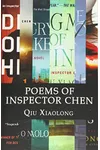
- Poems of Inspector Chen (2016) - Throughout the novels, Chen frequently composes and quotes poetry. This volume compiles the poetry attributed to Chen Cao, alongside classical Chinese poems and commentary by the author.
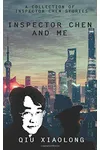
- Inspector Chen and Me (2018) - A collection of essays, short stories, and reflections by Qiu Xiaolong explaining the background, inspiration, and real-world politics behind the creation of Inspector Chen.
The Judge Dee Investigations: Literary Spin-Offs
In addition to the contemporary mysteries, Qiu Xiaolong has written a historical mystery series featuring the legendary Tang Dynasty magistrate Judge Dee Renjie, continuing the tradition established by Robert van Gulik:
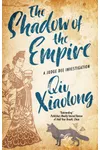
- The Shadow of the Empire (2022) - Judge Dee investigates the murder of a poetess, Yu Xuanji, while navigating the dangerous imperial court of Empress Wu.
- The Conspiracies of the Empire (2024) - An older Judge Dee handles political conspiracies and court intrigue under the Empress's reign.
The Meta-Fictional Connection
The Judge Dee series is directly connected to the Inspector Chen universe. In Inspector Chen and the Private Kitchen Murder, Chen is depicted as reading Judge Dee stories. The narrative suggests a meta-fictional loop: Chen, facing intense censorship and political pressure in modern Shanghai, writes these historical Tang Dynasty mysteries as a creative outlet and a safe way to explore themes of justice and morality that he cannot openly address in contemporary China. Reading the Judge Dee books offers fans a unique look at the historical parallels Chen draws to make sense of his own struggles.
What to Know Before You Start
To fully appreciate the series, readers should keep a few unique elements in mind:
- A Poetry-Quoting Cop: Inspector Chen is an academic by training who was assigned to the police force by the state. He frequently quotes classical Tang Dynasty poetry, T.S. Eliot, and other modernist poets, blending high literature with gritty detective work.
- A Political Tightrope: Unlike Western police procedurals where detectives search for objective truth, Chen must constantly negotiate "with Chinese characteristics." Solving a crime too thoroughly can upset powerful Party officials, meaning Chen must often find compromises to ensure some measure of justice while surviving politically.
- The Importance of Food: Qiu Xiaolong fills the books with sensory details of Shanghai cuisine. Key conversations and deductions often happen over steaming plates of dumplings, hairy crabs, and custom-ordered banquets, reflecting the social importance of dining in Chinese culture.