






The Recommended Inspector Challis Reading Order
When it comes to Garry Disher’s gripping police procedural series, the reading path is straightforward: publication order is chronological order. The books are designed to be read in the order they were written. While the individual criminal investigations are resolved by the end of each book, the personal lives, romantic tensions, and career trajectories of the recurring police officers develop continuously across the series. To fully appreciate these character arcs, you should start at the beginning.
- The Dragon Man (1999) – The series debuts during a scorching summer heatwave on the Mornington Peninsula. Detective Inspector Hal Challis and his Waterloo-based team hunt a serial killer targeting women along the Old Peninsula Highway. Challis must balance this high-pressure case against media intrusion and unsettling phone calls from his incarcerated wife, who is serving time for trying to have him killed.
- Kittyhawk Down (2003) – Waterloo police face a complex web of local crimes, including a missing toddler, a body dragged from the bay with an anchor strapped to it, and a series of random shotgun murders. As the investigation deepens, Challis’s personal interest in restoring World War II-era aircraft intersects with the mystery when flight-related photographs suggest a local link.
- Snapshot (2005) – A woman is shot dead in a lonely country lane while her seven-year-old daughter watches. The case is highly sensitive, as the victim was the daughter-in-law of Challis’s own boss. The investigation exposes a web of suburban secrets, illicit affairs, and swinging parties, testing Challis’s professionalism to its limit.
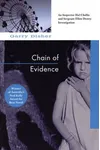
- Chain of Evidence (2007) – This Ned Kelly Award-winning entry splits the narrative focus. Challis is called away to the Australian Outback to attend to his dying father, forcing him to confront long-buried family trauma. Meanwhile, Sergeant Ellen Destry takes command back in Waterloo, leading a tense hunt for a missing ten-year-old girl and investigating a local pedophile ring.
- Blood Moon (2009) – Set during the annual "Schoolies" week when rowdy teenagers descend on the Peninsula, the Waterloo police are stretched thin. The team investigates the brutal assault of a prestigious school's chaplain and the murder of a local council planning officer. Meanwhile, Challis and Destry navigate the delicate complications of their evolving romantic relationship.
- Whispering Death (2011) – Waterloo is plagued by a rapist impersonating a police officer, an armed robber, and a clever female cat burglar. With Destry away on a study tour, Challis faces these cases while dealing with severe political fallout after publicly criticizing police budget cuts.
- Signal Loss (2016) – The final novel tackles the devastating impact of the methamphetamine ("ice") epidemic in rural Victoria. A bushfire reveals a drug lab and two charred bodies. Challis fights for control of the case against Melbourne's drug squad, while Destry—now heading the sex crimes unit—hunts a elusive serial rapist who leaves no forensic evidence.
Publication Order vs. Chronological Order
Because Garry Disher writes the series in real-time progression, there is no need to jump around the timeline. Reading The Dragon Man first is essential. Starting out of order will spoil major character developments, such as the evolving status of Challis’s ex-wife, the slow-burn romance between Challis and Ellen Destry, and Destry’s professional climb through the ranks to head her own unit.
The Garry Disher Universe: Spin-Offs and Connections
While the Inspector Challis novels (often referred to as the Peninsula Crimes series) are self-contained procedurals, they share thematic DNA with Disher’s other works. Garry Disher has written multiple crime series, most notably the Wyatt heist novels and the Hirsch (Paul Hirschhausen) outback police series. Although Hal Challis does not officially cross over with Wyatt or Hirsch, minor characters occasionally bridge the gap. For example, a minor thief named Grace from Blood Moon returns as a central character in Disher's standalone novel Sanctuary. Additionally, Disher’s signature atmospheric style, social realism, and sharp critiques of rural Australian infrastructure tie all of his crime fiction into a cohesive literary universe.
What to Know Before You Start
The Inspector Challis series is widely credited with helping shape "Australian Noir" or "Aussie Noir." Unlike fast-paced, high-tech American or British thrillers, these books emphasize patience, realistic police procedures, and the social issues affecting regional communities—such as meth addiction, real estate corruption, and police budget cuts. The fictional town of Waterloo serves as a perfect microcosm for these issues, contrasting the wealthy holiday homes of the Mornington Peninsula with the poverty and isolation of its permanent rural residents.