
The Recommended Joe Sixsmith Reading Path
To fully appreciate the evolution of Joe Sixsmith from a redundant factory worker into a functional (if highly unconventional) private investigator, we recommend reading the series in publication order. While the mysteries themselves are self-contained, Joe's personal relationships, his recurring neighborhood characters, and his status in Luton develop sequentially across the books. Here is the recommended reading path:
- "Bring Back the Cat!" (1987) – This short story is Joe Sixsmith's true debut, published in the collection There Are No Ghosts in the Soviet Union. It serves as an excellent prequel.
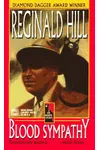
- Blood Sympathy (1993) – The first full-length novel and the official beginning of Joe's PI career.
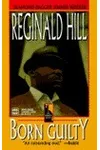
- Born Guilty (1995) – The second novel, dealing with a dark neighborhood mystery.
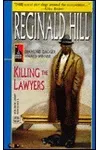
- Killing the Lawyers (1997) – The third novel, involving a chaotic web of legal and athletic intrigue.
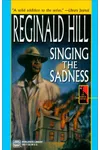
- Singing the Sadness (1999) – The fourth novel, taking Joe out of Luton and into a mysterious Welsh choral festival.
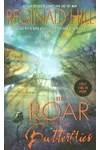
- The Roar of the Butterflies (2008) – The fifth and final novel, centering on an upper-crust golf club cheating scandal.
What to Know Before You Start
Reginald Hill is widely celebrated for his gritty, cerebral Dalziel and Pascoe police procedurals. With Joe Sixsmith, however, Hill decided to write something completely different. Set in the industrial town of Luton, Bedfordshire, rather than the windswept valleys of Yorkshire, the series is a comedic, cozy, and lighthearted take on the classic private eye genre.
Joe Sixsmith is a middle-aged, balding, Black former lathe operator who is laid off from his factory job. Lacking any formal training, connections, or hardboiled cynicism, he sets up a small PI office in a run-down building. Joe relies on his sheer decency, relentless determination, and an extraordinary amount of pure, accidental luck to solve cases. He is accompanied by his demanding, beer-drinking cat named Whitey, and is constantly monitored by his highly religious, matchmaking Aunt Mirabelle. The tone is heavily satirical, drawing comparisons to classic bumbling detective comedies and the cozy mystery tradition, while still offering a subtle, sharp critique of British race relations and class struggles in the 1990s and 2000s.
Publication Order vs. Chronological Order
Because Reginald Hill wrote the books chronologically, the publication order matches the chronological timeline perfectly. Joe starts out as a novice detective in the early 1990s and gradually grows more confident in his skills (though no less prone to stumble into solutions) by the time the final novel concludes in 2008. The only minor caveat is the short story "Bring Back the Cat!", which was published in 1987—six years before the first novel. Chronologically, it depicts Joe's very first case when he is hired to find a missing cat, making it the ideal prequel to read before diving into the novels.
Joe Sixsmith Book-by-Book Breakdown
1. "Bring Back the Cat!" (Short Story, 1987)
In this short story, readers are introduced to Joe shortly after he has lost his welding job. Needing income, he takes on a seemingly minor case: finding a missing cat for a neurotic client named Mrs. Ellison. What starts as a simple search quickly escalates into a complex investigation exposing dysfunctional family secrets in the Luton suburbs. This story laid the groundwork for Joe's personality and his unique approach to detective work.
2. Blood Sympathy (1993)
This debut novel establishes Joe's private investigation practice in Luton. After opening his office, Joe is immediately overwhelmed by a series of bizarre events, including a brutal family murder, allegations of drug smuggling, and a client who claims to be involved in voodoo. Through sheer persistence and serendipity, Joe manages to unravel a conspiracy that baffled local authorities, cementing his new career choice.
3. Born Guilty (1995)
Joe's second full-length outing takes a slightly darker turn when he discovers the body of a young boy in a cardboard box. Refusing to let the death go uninvestigated, Joe digs into the local community's secrets. Despite the serious subject matter, Hill maintains the series' signature wit as Joe dodges local hostility, meddlesome neighbors, and his aunt's attempts to find him a wife.
4. Killing the Lawyers (1997)
When a local law firm becomes the target of a killer, Joe is hired to protect a promising young track star who has been caught in the crossfire. Joe finds himself navigating a complex web of legal rivalries, blackmail, and corporate greed. The book is known for its fast pace, snappy dialogue, and a humorous climax that showcases Joe's knack for turning chaos to his advantage.
5. Singing the Sadness (1999)
Joe travels to Wales with his local choir to compete in a choral festival, looking forward to a relaxing weekend of singing. Instead, the choir arrives in a town that doesn't seem to exist on most maps, just in time to see a house burn down. Joe rescues a mysterious woman from the flames, pulling him into a web of arson, local corruption, and historical secrets in a tight-knit Welsh community.
6. The Roar of the Butterflies (2008)
In the final novel of the series, Joe is hired by a wealthy client to investigate allegations of cheating at the prestigious Royal Hoo Golf Club. Despite knowing nothing about golf, Joe takes the case, only to find himself simultaneously hired by a local crime boss for a surveillance job in Spain. The two cases collide in a story filled with golf mishaps, physical danger, and Wodehousian humor.
Practical Reader Advice
Can the books be read as standalones? Yes. Each book features a self-contained mystery that is fully resolved by the end. However, reading them out of order means you will miss the gradual development of Joe's relationship with his community, his aunt, and his cat Whitey.
Are there any Dalziel & Pascoe crossovers? No. While both series were written by Reginald Hill and share his sharp prose, they exist in separate universes. The gritty police procedures of Yorkshire never intersect with the cozy, comedic cases of Luton's favorite private eye.