



Step into the foggy, rain-slicked streets of San Francisco, where former lawyer turned private investigator John Marshall Tanner navigates a shifting landscape of moral ambiguity and social unrest. Created by Stephen Greenleaf, a former attorney himself, the 14-novel John Marshall Tanner series represents some of the finest late 20th-century hard-boiled detective fiction. Highly influenced by the psychological depth of Ross Macdonald and the lyrical grit of Raymond Chandler, Greenleaf crafted a series that is as much a critique of American society as it is a collection of compelling mysteries.
Unlike flashier PIs who rely on gunfights and high-speed chases, Tanner is a quiet, melancholic intellectual. He is driven by a strong, if weary, ethical compass, making him an enduringly human guide through San Francisco's dark underbelly from 1979 to 2000. In this guide, we break down the definitive reading order, highlight the crucial recurring characters, and detail why this series is a must-read for fans of classic detective fiction.
The Recommended Reading Order
The John Marshall Tanner series flows in real-time, meaning the publication order and chronological order are identical. As Tanner ages, the city of San Francisco changes around him, and his personal relationships evolve significantly. Therefore, reading the books in the order they were published is highly recommended to appreciate the long-term character arcs and thematic continuity.
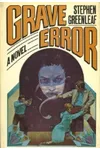
- Grave Error (1979): The debut novel that introduces Tanner as he investigates the blackmail of a prominent consumer advocate. This case leads him into corporate conspiracies and introduces his long-term friend Ruthie Spring after the murder of his former mentor.
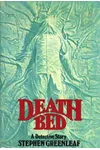
- Death Bed (1980): Tanner is hired by a dying oil tycoon to find his estranged, counterculture son, drawing him into the remnants of the 1960s radical movements.
- State's Evidence (1982): Tanner investigates a hit-and-run accident that leads him to a corrupt trial, mob influence, and severe moral compromises in a small California town.
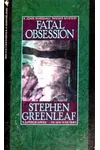
- Fatal Obsession (1983): Tanner returns to his Midwestern hometown of Chaldea, Indiana, to look into the troubled affairs of his own family, resulting in a deeply personal and tragic mystery.
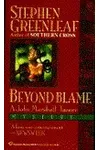
- Beyond Blame (1985): A law professor is accused of murdering his wife. Tanner is hired to investigate, pulling him deep into the complex world of legal insanity defenses and psychological trauma.
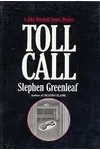
- Toll Call (1987): A turning point in the series. Tanner's secretary, Peggy, is targeted by a stalker, forcing Tanner to investigate a case that blurs the boundaries of his professional and personal life.
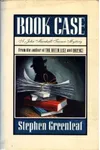
- Book Case (1991): Set in San Francisco’s publishing industry, Tanner searches for the anonymous author of a scandalous manuscript that threatens to expose the secrets of the city's elite.
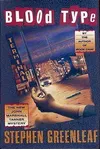
- Blood Type (1992): A gritty dive into the dark side of San Francisco's nightlife, involving domestic abuse, blackmail, and a complex web of lies.
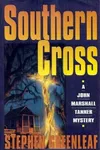
- Southern Cross (1993): Tanner travels to Charleston, South Carolina, for his 25th college reunion. He is tasked with protecting an old friend, a civil rights attorney targeted by white supremacists, forcing Tanner to confront his own past passivity.
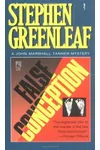
- False Conception (1994): Tanner is hired by an affluent family to background-check a surrogate mother, leading to a story that explores class division, ethics, and reproductive rights.
- Flesh Wounds (1996): Peggy Nettleton, Tanner's former secretary, returns to San Francisco and hires him to find her missing fiancé, reopening old emotional wounds in the process.
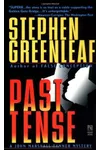
- Past Tense (1997): Perhaps the darkest book in the series. Tanner’s close friend, SFPD Detective Lieutenant Charley Sleet, shoots a defendant in a crowded courtroom, forcing Tanner to uncover the truth behind Sleet's breakdown.
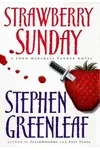
- Strawberry Sunday (1999): Recovering from a near-fatal gunshot wound in a clinic, Tanner investigates the murder of a fellow patient, exposing the exploitation and dangers faced by migrant farmworkers in California. This novel was nominated for the Edgar Award for Best Novel.
- Ellipsis (2000): The series finale. Tanner serves as a bodyguard for a glamorous novelist facing death threats, prompting him to resolve his own long-standing personal demons and find a sense of peace.
Why You Should Read in Publication Order
While the mystery in each novel is self-contained and resolved by the final page, the personal lives of John Marshall Tanner and his inner circle undergo permanent changes that will be spoiled if read out of order. For example, the relationship between Tanner and his secretary, Peggy Nettleton, builds slowly over the first five books. The dramatic events of Toll Call fundamentally alter their dynamic, leading to Peggy leaving the Bay Area. When she returns in Flesh Wounds, the emotional impact depends entirely on the reader's familiarity with their shared history.
Similarly, Tanner’s friendship with police lieutenant Charley Sleet is a cornerstone of the series. Sleet is Tanner's primary connection to the official police database, but he is also a moral sounding board. The shocking courtroom shooting at the start of Past Tense carries immense weight because readers have spent eleven books watching Sleet serve as Tanner's ethical anchor. Furthermore, Tanner's physical vulnerability is cumulative; the gunshot wound he is recovering from in Strawberry Sunday is a direct consequence of the violence in Past Tense.
Key Themes & Social Commentary
Stephen Greenleaf used the private investigator genre as a vehicle for exploring pressing American social issues. Thanks to his own background as an attorney, the legal system and its failures are central themes throughout the series. Tanner frequently operates in the gaps where the law fails to provide justice, offering a skeptical view of institutional authority.
The series is notable for its ahead-of-its-time exploration of controversial topics. Greenleaf covers corporate greed and consumer advocacy in Grave Error, the ethics of surrogate motherhood in False Conception, the rise of white supremacy and racial division in Southern Cross, and the brutal labor conditions of migrant farmworkers in Strawberry Sunday. By grounding Tanner's cases in these real-world struggles, Greenleaf ensured the books stayed relevant and transcended standard detective tropes.
Important Recurring Characters
Tanner is a lonely figure, but his life is populated by a few rich, recurring characters who anchor him to humanity:
- Charley Sleet: An SFPD detective lieutenant and Tanner's best friend. Sleet is cynical but harbors a deep sympathy for the downtrodden. He represents official law enforcement but is frequently willing to bend the rules to help Tanner do what is right.
- Peggy Nettleton: Tanner's highly efficient secretary. Over their years working together, Peggy keeps the office running and serves as a vital emotional buffer for Tanner. Their complex feelings for one another reach a crisis point in Toll Call, changing the course of both their lives.
- Ruthie Spring: The widow of Harry Spring, Tanner’s mentor who is murdered in the series opener, Grave Error. Ruthie is a foul-mouthed, loving Texas cowgirl who remains one of Tanner's most loyal confidantes throughout his career.
Where to Start and Reader Guidance
For the best experience, readers should start with Grave Error (1979). It establishes Tanner’s legal background, introduces his core relationships with Charley Sleet and Ruthie Spring, and sets the melancholy, Chandler-esque tone that defines the series. If you cannot find a copy of the debut, State's Evidence (1982) serves as a solid secondary entry point, showcasing Tanner's investigative style in a self-contained environment before the major character transitions of the later books begin.
What to Know Before You Start
Readers should expect a slower, more deliberate pace than is common in modern thrillers. Greenleaf’s writing is heavily character-focused, featuring beautiful, descriptive prose that captures the moody atmosphere of late 20th-century San Francisco. Tanner is an introspective protagonist who spends as much time pondering the ethical implications of his actions as he does tracking down clues. The series ended definitively with Ellipsis in 2000, wrapping up Tanner’s long journey with a sense of closure that makes the 14-book commitment highly rewarding for mystery lovers.