


Where to Start with John Milton
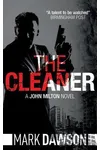
For readers diving into the high-stakes world of Mark Dawson’s premier agent, the most critical decision is choosing the right gateway. While there are several prequel novellas that depict Milton's early operations, the consensus among fans and the author's own recommendations point to a single starting point: The Cleaner (2013). This first full-length novel establishes the status quo for the entire series. It introduces Milton at his lowest point—burned out and desperately seeking an exit from Group 15, a shadowy British black-ops division. Starting here allows readers to experience his initial escape, his struggle with alcoholism, and his first major attempt at redemption in gang-ridden East London during the 2012 riots.
Although the prequels offer fascinating glimpses into Milton's cold-blooded past, they lack the redemptive, wandering-hero dynamic that defines the main series. Reading The Cleaner first provides the emotional core and context needed to truly appreciate the prequel materials when you double back to them later.
Publication Order vs. Chronological Order
The John Milton series can be read in two distinct ways: by publication order or by chronological order. Because Dawson has written several prequels that take place years before the events of The Cleaner, the two lists diverge early on.
Publication Order: This is the recommended path for first-time readers. Following the books as they were released allows you to witness Dawson's evolution as a writer and Milton's development as a character in the sequence the author intended. The prequels were written to fill in specific gaps and answer reader questions about Milton's history, meaning they carry more weight if you are already familiar with his later adventures.
Chronological Order: For seasoned fans or readers who prefer a strict timeline, the chronological order re-arranges the prequels to the beginning. In this order, the novella 1,000 Yards sits at the very start, followed by the novella Tarantula and the short novel Sleepers, before connecting with the main timeline at The Cleaner. The major downside of this approach is that Milton is a much colder, less sympathetic killer in these early stories, which can make the beginning of your reading journey feel less engaging.
Breaking Down the John Milton Prequels
To understand the timeline adjustments, it helps to look at the three main prequels and where they fit:
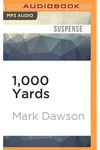
- 1,000 Yards (Chronological #1, Publication #3): Set in the Hindu Kush of Afghanistan, this novella showcases Milton as a lethal government sniper on a highly classified mission. It highlights his unmatched skillset before the wear-and-tear of his conscience begins.
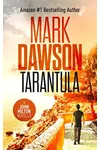
- Tarantula (Chronological #2, Publication #7): This story takes Milton to the streets of Ciudad Juárez, Mexico, ten years before the events of The Cleaner. It serves as a precursor to his later returns to the region and shows the early days of his career.
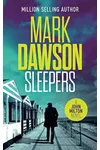
- Sleepers (Chronological #3, Publication #15): A crucial prequel set in Russia, detailing a joint operation between Milton and a colleague that goes horribly wrong. It lays the groundwork for the psychological burden Milton carries into the main series.
The Group 15 Shared Universe and Spin-offs
Mark Dawson has constructed an extensive, interconnected universe around Group 15, the clandestine agency that employs Milton. Several spin-offs cross paths with the main series, and reading them alongside Milton's journey enriches the overall experience:
- Beatrix Rose Series: Beatrix Rose was another top-tier assassin for Group 15 who was betrayed by her superiors. Her trilogy is a fast-paced revenge thriller that runs parallel to the John Milton timeline. The two characters officially cross paths and team up in the Venezuela-based crossover novella, Phoenix.
- Isabella Rose Series: Following the events of the Beatrix Rose trilogy, this spin-off centers on Beatrix's daughter, Isabella, who is being hunted by the remnants of the agency. Milton's presence and the shadow of Group 15 heavily influence this series.
- Group Fifteen Files: A subseries of shorter novellas (including titles like Scorpion, Witness X, and Little Sister) written by Dawson to detail the operations of other agents within the same organization. Milton himself makes guest appearances in these files, particularly in Scorpion.
Official Publication Order List
Here is the complete sequence of the John Milton books based on their original publication dates. Note that while The Second Sin is listed as the 2025 release in the database, it was published under the title Vultures in many markets.
- The Cleaner (2013)
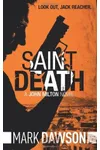
- Saint Death (2013)
- 1,000 Yards (2014) [Prequel Novella]
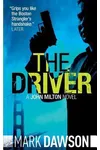
- The Driver (2014)
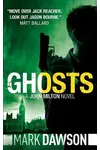
- Ghosts (2014)
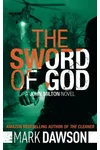
- The Sword of God (2014)
- Tarantula (2014) [Prequel Novella]
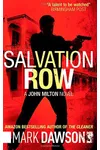
- Salvation Row (2014)
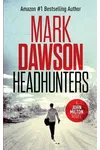
- Headhunters (2015)
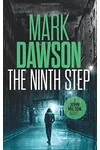
- The Ninth Step (2016)
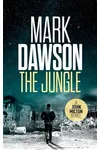
- The Jungle (2016)
- Blackout (2017)
- The Alamo (2017)
- Redeemer (2018)
- Sleepers (2018) [Prequel Novella]
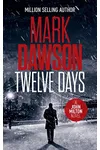
- Twelve Days (2018)
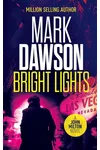
- Bright Lights (2019)
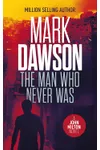
- The Man Who Never Was (2020)
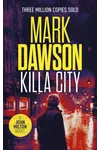
- Killa City (2020)
- Ronin (2020)
- Never Let Me Down Again (2021)
- Bulletproof (2021)
- The Sandman (2022)
- Uppercut (2023)
- Bloodlands (2024)
- The Second Sin / Vultures (2025)
Chronological Reading Sequence
If you prefer to follow Milton's life from his early military sniper days to his post-agency career, use this chronological reading sequence:
- 1,000 Yards
- Tarantula
- Sleepers
- The Cleaner
- Saint Death
- The Driver
- Ghosts
- The Sword of God
- Salvation Row
- Headhunters
- The Ninth Step
- The Jungle
- Blackout
- The Alamo
- Redeemer
- Twelve Days
- Bright Lights
- The Man Who Never Was
- Killa City
- Ronin
- Never Let Me Down Again
- Bulletproof
- The Sandman
- Uppercut
- Bloodlands
- The Second Sin / Vultures
What to Know Before You Start
Dawson’s books are designed to be fast-paced, cinematic, and easy to read. While there is a strong meta-plot tracing Milton's escape from Group 15 and his ongoing feud with his former boss, Control, each book is structured as a self-contained mission. Milton arrives in a new location, encounters someone in desperate need of help, and uses his lethal skills to resolve the situation, drawing frequent comparisons to Lee Child's Jack Reacher or a more conscience-plagued Jason Bourne. Because of this structure, you can technically read most of the books as standalones, though you will miss the gradual evolution of Milton's character and the recurring characters who aid him along the way.