
The Recommended Reading Order
To fully experience the emotional trajectory of Duane Moore and the town of Thalia, readers should follow the series in its publication order. Because Larry McMurtry wrote these books chronologically, tracing Duane’s development from a restless teenager in the 1950s to an aging man in the 21st century, reading them out of sequence will spoil major life events, character relationships, and the shifting fate of their shared home.
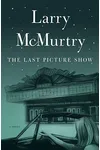
- The Last Picture Show (1966)
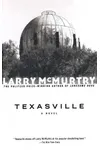
- Texasville (1987)
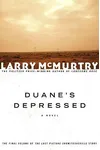
- Duane's Depressed (1999)
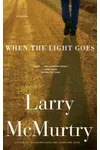
- When the Light Goes (2007)
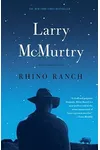
- Rhino Ranch (2009)
Understanding the Thalia, Texas Connections
When diving into McMurtry's work, it is easy to get confused by references to the "Thalia Trilogy" or "Texas Trilogy." McMurtry set his first three novels in the fictional West Texas town of Thalia, which he modeled closely on his own hometown of Archer City, Texas. These three novels are:
- Horseman, Pass By (1961) – Later adapted into the Oscar-winning film Hud.
- Leaving Cheyenne (1963) – Later adapted into the film Lovin' Molly.
- The Last Picture Show (1966) – Later adapted into the acclaimed Peter Bogdanovich film.
Although these three books share the dusty setting of Thalia, they do not share characters or plotlines. Only The Last Picture Show serves as the starting point for Duane Moore’s multi-decade saga. While you do not need to read Horseman, Pass By or Leaving Cheyenne to understand Duane's journey, doing so provides a rich look at how McMurtry’s vision of West Texas evolved from traditional ranching culture to the oil-bust era of the late 20th century.
The Core Duane Moore Saga: A Closer Look
Here is a breakdown of what to expect from each of the five novels in the primary series:
1. The Last Picture Show (1966)
Set in the mid-1950s, this is the book that started it all. We meet teenagers Duane Moore, Sonny Crawford, and Jacy Farrow as they navigate the loneliness, emerging sexuality, and limited horizons of a dying town. The closing of Thalia's movie theater, run by the iconic father figure Sam the Lion, acts as a bittersweet metaphor for the end of their youth and the fading of rural American life. The book is gritty, humorous, and deeply melancholic.
2. Texasville (1987)
Published over twenty years after the original, McMurtry catches up with the characters in the mid-1980s. Thalia is now experiencing a chaotic boom-and-bust cycle driven by oil. Duane is a wealthy oilman facing midlife crises, a chaotic marriage, and a looming financial collapse. Meanwhile, Jacy returns to Thalia after living abroad. The tone of Texasville shifts dramatically toward dark, satirical, and sometimes absurd comedy, contrasting with the stark realism of the first book.
3. Duane's Depressed (1999)
In this introspective installment, Duane is in his 60s and going through a late-life crisis. Overwhelmed by his demanding family and the fast-paced modern world, he parks his pickup truck and decides to walk everywhere—a shocking and scandalous act in car-centric West Texas. He moves into a primitive cabin, seeking solitude and peace. The novel is widely considered by critics to be one of McMurtry’s finest late-career works, shifting the tone back to a quiet, deeply felt realism.
4. When the Light Goes (2007)
Duane is now in his 70s, dealing with the physical realities of aging, the loss of close friends, and his own mortality. He struggles with his libido and seeks intimacy in a changing world. The book is short, raw, and highly controversial among fans for its explicit and unflinching focus on the sexual thoughts of an aging protagonist, reflecting McMurtry’s own thoughts on late-life transitions.
5. Rhino Ranch (2009)
The final chapter of Duane's life brings a strange new element to Thalia. A wealthy heiress establishes a sanctuary for endangered black rhinoceroses on a ranch just outside town. As Duane interacts with the rhinos and the eccentric people running the project, he comes to terms with the modernization of the West and his own legacy. It serves as a gentle, reflective farewell to one of modern literature’s most enduring characters.
Practical Reader Advice
Can the books be read as standalones? While The Last Picture Show can easily be read as a standalone novel, the subsequent books rely heavily on your existing relationship with the characters. Reading Texasville or Duane's Depressed without the context of their shared youth in Thalia robs the stories of their emotional weight.
Expect major shifts in tone. First-time readers should prepare for the dramatic shift in style between the first and second novels. The Last Picture Show is a lean, sparse drama. Texasville is a sprawling, chaotic, and loud farce. If the tone of Texasville frustrates you, press on: Duane's Depressed returns to the quiet, poignant character study that made the debut so memorable.
Watch the cinematic adaptations. The 1971 film adaptation of The Last Picture Show, co-written by McMurtry and directed by Peter Bogdanovich, is a cinematic masterpiece. Bogdanovich also directed a 1990 film adaptation of Texasville, bringing back members of the original cast, including Jeff Bridges as Duane and Cybill Shepherd as Jacy, which serves as a wonderful companion to the reading experience.