





How to Read Christopher Pike's Last Vampire Series
For readers looking to dive into Christopher Pike’s legendary supernatural series, tracking down the books can sometimes be confusing due to a major rebranding initiative. Originally launched in 1994 as The Last Vampire, the series was repackaged in the late 2000s under the name Thirst. The rebranding consolidated the original six pocket-book novels into two thick omnibus editions and cleared the path for three brand-new sequels published between 2010 and 2013.
Because the series follows a single continuous narrative focused on the life, struggles, and spiritual journey of Alisa Perne (originally named Sita), it must be read in strict order. Skipping books or reading them out of order will ruin key character deaths, major mythological revelations, and the overarching plot lines involving the vampire's creator, Yaksha, and the deity Krishna.
Option 1: Reading via the Rebranded Omnibus Collections (Recommended)
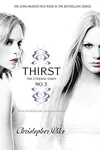
The easiest and most accessible way to read the series today is through the Thirst omnibus editions. Finding the original 1990s paperback editions can be difficult and expensive, whereas the omnibus editions are widely available in print and digital formats. The collection is organized as follows:
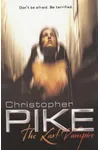
- Thirst No. 1: Compiles the first three original novels: The Last Vampire (1994), Black Blood (1994), and Red Dice (1995).
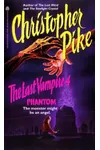
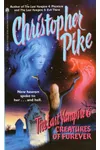
- Thirst No. 2: Compiles the next three original novels: Phantom (1996), Evil Thirst (1996), and Creatures of Forever (1996).
- Thirst No. 3: The Eternal Dawn (2010): The seventh novel, continuing directly after the events of Creatures of Forever.
- Thirst No. 4: The Shadow of Death (2011): The eighth novel in the saga.
- Thirst No. 5: The Sacred Veil (2013): The ninth and final book.
Option 2: Reading the Original Individual Novels
If you prefer collecting vintage paperbacks or want to experience the series exactly as it was released in the 1990s, follow the publication order of the original individual novels:
- The Last Vampire (1994)
- Black Blood (1994)
- Red Dice (1995)
- Phantom (1996)
- Evil Thirst (1996)
- Creatures of Forever (1996)
- The Eternal Dawn (2010)
- The Shadow of Death (2011)
- The Sacred Veil (2013)
Understanding the Chronological Flow vs. Flashbacks
While the main story takes place in modern times (the 1990s for the first six books, moving into the 21st century for the later sequels), the narrative is heavily punctuated by deep flashbacks to Alisa's origins in ancient India, dating back 5,000 years. These historical sequences cover the creation of the first vampires through a demonic ritual, Alisa's complex relationship with her creator Yaksha, and her fateful encounters with the avatar Krishna.
Some readers wonder if it is possible or beneficial to read these historical chapters chronologically. However, doing so is highly discouraged. Christopher Pike masterfully weaves these flashbacks into the modern-day mystery. The revelations in the past directly mirror the emotional and physical challenges Alisa faces in the present. Experiencing the flashbacks as they are presented within the standard publication order ensures the correct thematic impact and preserves key narrative twists.
What to Know Before You Start
Before stepping into Alisa Perne's dark world, new readers should keep a few unique characteristics of the series in mind:
- A Different Kind of Vampire Lore: Pike steps away from classic European Gothic vampire tropes. Alisa is not bothered by garlic, holy water, or crosses. Crucially, she can walk in the daylight, although sunlight weakens her somewhat. She also cannot easily create new vampires; the process is highly restricted and tied to the blood of the original creator, Yaksha.
- Indian Mythology: Rather than Christian theology, the spiritual backbone of the series is rooted in Hinduism. The deities Krishna and Vishnu are active forces in the plot, and Alisa’s quest for redemption is deeply tied to her historical actions in ancient India.
- A Morally Ambiguous Protagonist: Unlike many modern YA heroines, Alisa is a predator. She has killed thousands of humans over her five-millennia lifespan to survive. While she possesses a strict moral code and frequently fights to protect the innocent, she is ruthless, cold, and capable of extreme violence when threatened.
- Shift in Tone: The original six books have a distinct 1990s YA thriller vibe—fast-paced, pulpy, and highly atmospheric. When Pike returned to the series over a decade later for The Eternal Dawn, the writing style shifted. The final three books lean much heavier into science fiction elements, cosmic scales, and complex metaphysical concepts.
Spin-offs, Crossovers, and Adaptations
The Last Vampire series is a self-contained saga. Unlike other popular authors of the era, Christopher Pike did not build a shared universe where characters from his standalone thrillers cross paths with Alisa Perne. However, the series shares thematic elements, spiritual inquiries, and philosophical undertones with several of Pike's other popular works, such as Sati and The Season of Passage.
As of 2026, there are no film or television adaptations of the series. In September 2013, Hollywood producer Michael Preger and Preger Entertainment acquired the film rights to the books, but the project remained in development and never reached production. While other Pike books, such as The Midnight Club, have received modern streaming adaptations, Alisa's story remains solely on the page.