
The Recommended Reading Order for Lineage of Grace
When diving into Francine Rivers' acclaimed biblical fiction, the recommended reading path is simple and direct: read the books in their numerical, chronological sequence. Because the series trace the genealogy of Jesus Christ, the story naturally builds from the earliest books of the Old Testament to the birth of Jesus in the New Testament.
You can read these books either as five individual novellas or in the single compiled omnibus volume, A Lineage of Grace, which brings all the stories together in chronological order. Here is the recommended order:
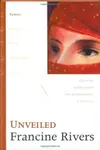
- Unveiled: Tamar (2000) – Set in the era of the Patriarchs, this novella follows Tamar's struggle for survival and justice within the family of Judah.
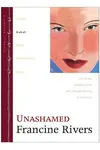
- Unashamed: Rahab (2000) – Set during the conquest of Jericho, this book tells the story of Rahab, a Canaanite woman who aids the Israelite spies and finds redemption.
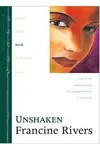
- Unshaken: Ruth (2001) – Set during the time of the Judges, this story highlights Ruth’s loyalty to her mother-in-law Naomi and her relationship with Boaz.
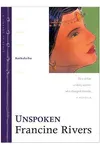
- Unspoken: Bathsheba (2001) – Set during the height of the United Monarchy, this novella explores the tragedy, scandal, and restoration of Bathsheba.
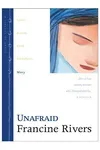
- Unafraid: Mary (2001) – Set in the New Testament, this final story chronicles Mary's faith and obedience as she is chosen to give birth to Jesus.
Publication Order vs. Chronological Order
Unlike many long-running book series where publication order differs from the timeline of the story, Lineage of Grace keeps things perfectly aligned. Francine Rivers wrote and released these novellas in the exact order in which they occur historically in the Bible. Tyndale House Publishers released the first two stories in 2000, followed by the remaining three in 2001, concluding the individual releases before publishing the popular omnibus edition in 2009.
Because the chronological order and publication order are identical, readers do not have to worry about complex timelines or timeline jumps. Starting with Unveiled and finishing with Unafraid is the standard and most satisfying way to experience the narrative progression.
Understanding the Five Books
Unveiled: Tamar
Tamar’s story takes place in the book of Genesis. Betrayed by those who should have protected her, Tamar takes matters into her own hands to ensure her future and her place in the family line. Rivers portrays her not as a passive victim, but as a woman of immense courage who risks everything for justice. Her story highlights themes of hope and survival in a harsh patriarchal society.
Unashamed: Rahab
Rahab is a woman living in Jericho, a city marked for destruction. As a prostitute, she is marginalized by her own community, yet she possesses the faith to recognize the power of the Israelite God. By hiding the spies sent by Joshua, she secures safety for her household. Rivers explores the cost of stepping out in faith and the radical transformation that occurs when someone chooses a new path.
Unshaken: Ruth
Ruth’s narrative is one of the most famous love stories in the Bible, but Rivers emphasizes the deep bond of loyalty between Ruth and Naomi before the romance with Boaz begins. Ruth, a Moabite widow, chooses to leave her homeland to care for her grieving mother-in-law. This novella details the sacrifices of love and the concept of the kinsman-redeemer, showing how quiet faithfulness can lead to extraordinary blessings.
Unspoken: Bathsheba
Bathsheba is often viewed through the lens of scandal, but Rivers reframes her story to emphasize her pain, her lack of choice in the encounter with King David, and her subsequent journey of healing. The novella explores the devastating consequences of sin alongside the far-reaching power of God's restoration, tracing Bathsheba's path from a grieving mother to the queen mother of Solomon.
Unafraid: Mary
The series culminates with Mary, a young Jewish woman in Nazareth who faces social ruin when she is chosen to carry the Messiah. Rivers humanizes the mother of Jesus, focusing on her humility, the fear she must have felt, and her unwavering trust in God. This final entry ties the entire lineage together, showing how the struggles of the previous four women paved the way for the birth of Christ.
What to Know Before You Start
Before jumping in, it is important to remember that these books are works of historical fiction. While Francine Rivers conducts extensive biblical research, she fills in dialogue, emotional landscapes, and cultural details that are not explicitly detailed in scripture. Reading these stories alongside the actual biblical text is a highly recommended practice for those using the series for study.
Additionally, each novella concludes with a built-in Bible study guide featuring reflection questions. This structure makes the books popular choices for book clubs, church groups, and personal devotions. The tone is deeply emotional, respectful of the source material, and focuses heavily on personal spiritual growth.
Companion Series: Sons of Encouragement
If you finish Lineage of Grace and want more biblical fiction in a similar style, Francine Rivers wrote a companion series called Sons of Encouragement. Published between 2004 and 2007, this five-book series focuses on men in the Bible who worked quietly behind the scenes to support major leaders and fulfill God's plans. The books in the companion series are:
- The Priest: Aaron (2004) – Explores the life of Moses' brother and the first High Priest of Israel.
- The Warrior: Caleb (2004) – Follows the loyal companion of Joshua who maintained his faith in the Promised Land.
- The Prince: Jonathan (2005) – Focuses on King Saul's son and his deep friendship with David.
- The Prophet: Amos (2006) – Chronicles the story of the simple shepherd called to deliver a challenging message.
- The Scribe: Silas (2007) – Details the journey of the early church leader who stood beside Paul.
Like the Lineage of Grace novellas, the Sons of Encouragement series is available as individual books or as a single compiled omnibus volume.