
The Recommended Reading Order for the March Family Saga
To experience the full journey of the March family as Louisa May Alcott intended, you should read the core books in their chronological order of story events, which matches their publication order. Here is the recommended path:
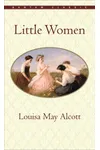
- Little Women (1868) – Introduces the four March sisters—Meg, Jo, Beth, and Amy—growing up in New England during the American Civil War.
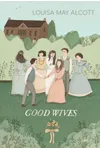
- Good Wives (1869) – Follows the sisters three years later as they enter adulthood, navigate marriage, pursue careers, and face adulthood's trials. (Note: In the United States, this is almost always published combined as the second half of Little Women.)
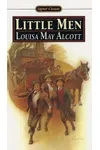
- Little Men: Life at Plumfield with Jo's Boys (1871) – Focuses on Jo March and her husband, Professor Bhaer, as they run a school for boys at Plumfield, introducing a new generation of characters.
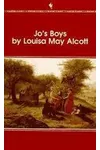
- Jo's Boys and How They Turned Out (1886) – Catch up with the pupils of Plumfield ten years later as they navigate adulthood, university, careers, and romance.
What to Know Before You Start: The US vs. UK Edition Difference
One of the most common sources of confusion for new readers is the distinction between Little Women and Good Wives. When Alcott first wrote the story in 1868, it was published as a single volume. Following its massive success, her publisher requested a sequel, which was released in 1869 under the title Little Women, Part Second in the US.
However, British publishers chose to release this second part as a standalone book titled Good Wives. In the United Kingdom, Canada, and Australia, publishers have historically kept these two parts separated, leading many international readers to count four core novels in the series. In the United States, the two volumes were permanently merged into a single edition titled Little Women starting in 1880. If you purchase an American edition of Little Women today, you are almost certainly reading both parts together in one book.
Publication Order vs. Chronological Order
Because Alcott wrote the March family narrative in a linear fashion, the publication order aligns perfectly with the chronological order. There are no prequels or timeline jumps to worry about. However, Alcott did publish companion works and short story collections during this period that are loosely tied to the universe or written in a similar style:
- Aunt Jo's Scrap-Bag (1872–1882) – A six-volume collection of short stories. While these are mostly standalone moral tales, the framing device uses Jo March's name, capturing the cozy spirit of the main novels. The volumes include: My Boys (1872), Shawl-Straps (1872), Cupid and Chow-Chow (1874), My Girls (1877), Jimmy's Cruise in the Pinafore (1879), and An Old-Fashioned Thanksgiving (1882).
Notable Reimagining, Spin-Offs, and Mashups
The enduring popularity of the March family has inspired several modern authors to expand the universe with spin-offs, retellings, and creative parodies. While these are not written by Louisa May Alcott, they offer fascinating new perspectives for dedicated fans:
- March by Geraldine Brooks (2005) – A Pulitzer Prize-winning novel that tells the story of the March sisters' father, Mr. March, as he serves as a Union chaplain during the American Civil War, reflecting on the brutal realities of the conflict and his marriage.
- Meg & Jo by Virginia Kantra (2019) – A modern-day retelling of the classic story, focusing on the adult lives of the two oldest sisters in contemporary times.
- So Many Beginnings: A Little Women Remix by Bethany C. Morrow (2021) – Part of the Feiwel & Friends Remixed Classics series, this reimagining follows four Black sisters during the Civil War living in a colony of newly freed people.
- Marmee by Sarah Miller (2022) – A parallel novel focusing on the thoughts and struggles of Mrs. March (Marmee) as she holds the family together while her husband is away at war.
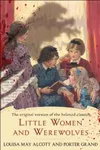
- Little Women and Werewolves by Porter Grand (2010) – A humorous literary mashup that inserts supernatural elements into the original text, presenting a parody where the March sisters must contend with local lycanthropes.
Practical Reader Advice
If you are wondering how to approach this series, keep these tips in mind:
- Start with the beginning: Always start with the original Little Women. If your edition does not include the second part, seek out Good Wives immediately after, as the first part ends on a cliffhanger regarding the sisters' futures.
- Can they be read as standalones? The combined Little Women stands perfectly fine on its own and has a definitive conclusion. You do not need to read Little Men or Jo's Boys to feel satisfied. However, if you choose to read the sequels, you must read them in order, as Jo's Boys relies entirely on the character development established in Little Men.
- The tone shift: Note that Little Men and Jo's Boys shift focus away from the March sisters to the young boys and girls at the Plumfield estate. While Jo remains a central figure, Meg, Amy, and Laurie play supporting roles, and the narrative takes on a more educational, episodic structure.