

Where to Start Your Pioneer Journey
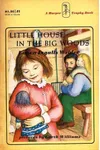
For most readers, the best place to start is the very beginning of the original series with Little House in the Big Woods (1932). This book introduces young Laura Ingalls, her family (Ma, Pa, Mary, and baby Carrie), and their cozy life in the forests of Wisconsin. Beginning here establishes the family's warmth and routines before they set off on their long, arduous journeys across the American Midwest.
However, because the series contains a couple of structural quirks—most notably the introduction of a completely different character's childhood in the second published book—readers often debate between two primary reading paths: the Publication Order and the Chronological Order. Below, we break down these paths and the generation-spanning spin-offs that expand the pioneer universe.
The Original Little House Series (The Laura Years)
The core of the Little House universe consists of the nine classic novels written by Laura Ingalls Wilder (with editorial assistance from her daughter, Rose Wilder Lane). These books follow Laura's growth from a four-year-old girl in Wisconsin to a married woman homesteading on the South Dakota prairie.
The Publication Order
Reading the books in the order they were published allows you to experience the series exactly as historical readers did in the mid-20th century. In this order, the narrative takes a brief detour to New York state to follow the childhood of Laura's future husband, Almanzo Wilder, before returning to Laura's perspective.
- Little House in the Big Woods (1932)
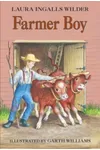
- Farmer Boy (1933)
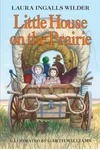
- Little House on the Prairie (1935)
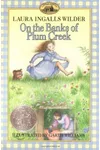
- On the Banks of Plum Creek (1937)
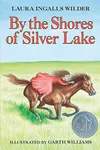
- By the Shores of Silver Lake (1939)
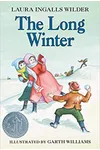
- The Long Winter (1940)
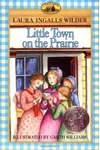
- Little Town on the Prairie (1941)
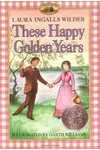
- These Happy Golden Years (1943)
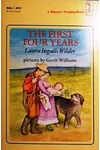
- The First Four Years (1971)
The Chronological Order
If you prefer a seamless narrative focused strictly on the Ingalls family's westward expansion, the chronological reading order is the way to go. In this track, Farmer Boy is shifted to a different position so it doesn't interrupt the transition from Laura's early childhood in Wisconsin to the family's move to Kansas in Little House on the Prairie.
- Little House in the Big Woods (1932)
- Little House on the Prairie (1935)
- Farmer Boy (1933)
- On the Banks of Plum Creek (1937)
- By the Shores of Silver Lake (1939)
- The Long Winter (1940)
- Little Town on the Prairie (1941)
- These Happy Golden Years (1943)
- The First Four Years (1971)
Understanding the Order Caveats
Two specific books in the main sequence require special mention for readers planning their journey:
Farmer Boy: Because this book focuses on Almanzo Wilder's childhood in New York, it has no direct crossover with Laura's childhood. Reading it second (publication order) can feel jarring to readers who want to know what happens to Laura next after Big Woods. However, reading it third (chronological order) puts it right before the family's moves to Minnesota and South Dakota. Alternatively, some readers choose to skip Farmer Boy entirely during their first read-through of Laura's story, inserting it right before The Long Winter or Little Town on the Prairie, where Almanzo is introduced as a major character in Laura's life.
The First Four Years: Published posthumously in 1971, this book is based on Laura's draft manuscripts detailing the early, difficult years of her marriage to Almanzo. The tone of this book is noticeably different from the preceding eight titles; it is less polished, deals with more mature hardships (such as the loss of a child, illnesses, and devastating fires), and was not revised by Laura for a young-adult audience. Some readers prefer to stop at the triumphant ending of These Happy Golden Years and treat The First Four Years as an optional, historical epilogue.
The Generation Spin-Offs (The Ancestors & Descendants)
In the 1990s and 2000s, HarperCollins expanded the Little House universe by commissioning multiple historical fiction series focusing on the generations of women in Laura's family. Written by authors such as Roger Lea MacBride, Maria D. Wilkes, Celia Wilkins, and Melissa Wiley, these series are heavily researched and maintain the cozy, historical tone of the original books.
If you want to read the entire multi-generational family saga in chronological order, read the series in this sequence:
1. The Martha Years (Laura's Great-Grandmother)
Set in late 18th-century Scotland, this four-book series by Melissa Wiley follows Martha Morse (later Tucker) as she grows up in the Scottish Highlands. It provides a fascinating look at the family's roots before they emigrated to America.
- Little House in the Highlands (1999)
- The Far Side of the Loch (2000)
- Down to the Bonny Glen (2001)
- Beyond the Heather Hills (2003)
2. The Charlotte Years (Laura's Grandmother)
Also written by Melissa Wiley, this four-book series follows Martha's daughter, Charlotte Tucker (later Quiner), living in Boston, Massachusetts, during the early 19th century, showcasing the family's life in early America.
- Little House by Boston Bay (1999)
- On Tide Mill Lane (2001)
- The Road from Roxbury (2002)
- Across the Puddingstone Dam (2004)
3. The Caroline Years (Laura's Mother)
Written by Maria D. Wilkes and Celia Wilkins, this seven-book series follows Caroline Quiner (later Ingalls) from her childhood in Brookfield, Wisconsin, through her journey to becoming the beloved "Ma" of the original series.
- Little House in Brookfield (1996)
- Little Town at the Crossroads (1997)
- Little Clearing in the Woods (1998)
- On Top of Concord Hill (2000)
- Across the Rolling River (2001)
- Little City by the Lake (2003)
- A Little House of Their Own (2005)
4. The Rose Years (Laura's Daughter)
Written by Roger Lea MacBride, who was a close friend and heir of Laura's daughter, Rose Wilder Lane, this eight-book series chronicles Rose's childhood on Rocky Ridge Farm in Mansfield, Missouri, and her adventures growing up at the turn of the 20th century.
- Little House on Rocky Ridge (1993)
- Little Farm in the Ozarks (1994)
- In the Land of the Big Red Apple (1995)
- On the Other Side of the Hill (1995)
- Little Town in the Ozarks (1996)
- New Dawn on Rocky Ridge (1997)
- On the Banks of the Bayou (1998)
- Bachelor Girl (1999)
Picture Books & Chapter Books for Younger Readers
For children who are too young for the core novels, HarperCollins created adapted formats featuring condensed stories and beautiful illustrations.
My First Little House Books
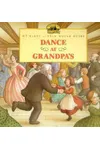
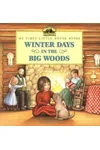
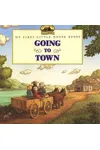
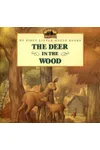
These highly illustrated picture books adapt specific scenes from the original novels (primarily Little House in the Big Woods and Little House on the Prairie) to introduce toddlers and early readers to the characters and activities of pioneer life, such as sugar-snow making and gardening.
Little House Chapter Books (Laura Books)
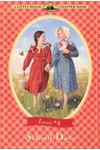
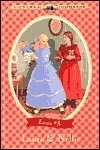
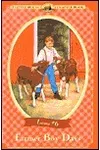
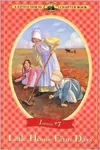
These short, illustrated chapter books are aimed at early independent readers. They focus on specific themes from the original series, such as school days, animal interactions, or holiday stories, offering a less daunting entryway into Laura's world.
What to Know Before You Start
While the Little House series is a beloved classic of children's literature, modern readers should keep a few things in mind before diving in. The books reflect the cultural attitudes and biases of the 1930s when they were written, and the 1870s and 1880s when they are set. In particular, the depiction of Native American characters and pioneer attitudes toward westward expansion can be insensitive and outdated. Reading the books together with children offers an excellent opportunity to discuss historical context, colonization, and differing perspectives on American history.