








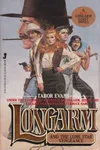

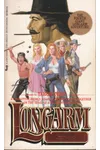
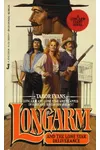
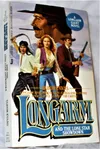

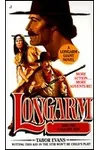
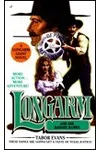
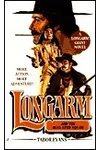
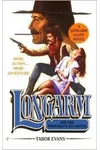
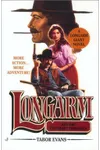
How to Read the Longarm Series
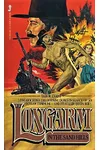
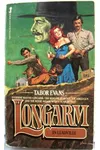
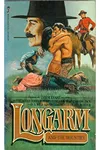
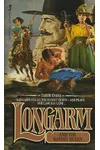
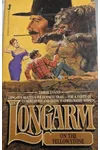
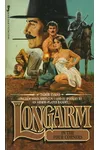
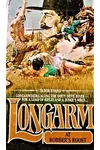
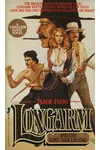
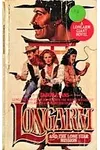
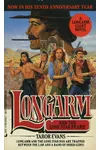
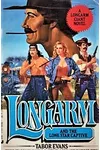
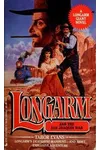
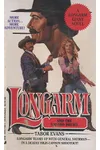
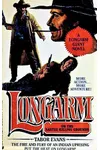
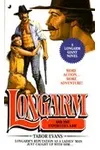
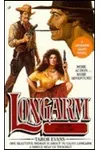
With 436 regular novels and 29 Giant editions spanning nearly four decades, the Longarm series is one of the most prolific sagas in the Western genre. Navigating a catalog of this size might seem daunting, but the series’ structure makes it highly accessible for both newcomers and seasoned Western fans.
The Recommended Starting Point
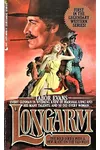
If you want to experience the series exactly as it was introduced to the public, the best place to start is at the very beginning with the self-titled debut novel, Longarm (1978). In this opening adventure, readers are introduced to Custis Long, a U.S. Deputy Marshal nicknamed 'Longarm' because of his surname and his reputation as the relentless 'long arm of the law.' The first book sets up his home base in 1880s Denver, Colorado, his relationship with his boss Marshal Billy Vail, and his trademark blend of sharp investigative skills, quick-draw shooting, and charm.
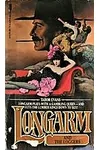
However, because the series is episodic and written by a rotating group of authors under a single house name, you do not have to read the books in strict numerical order. Each novel functions as a standalone adventure, resolving its primary conflict by the final page. If you happen to pick up a book from later in the run, such as Longarm and the Wyoming Wildwomen (#230), you won't find yourself lost in complex, multi-book story arcs. The status quo remains remarkably consistent throughout the run.
Publication Order vs. Chronological Order
For the vast majority of readers, publication order is the only order that matters. Because Custis Long rarely ages and his world remains suspended in the late 1880s, there is no real chronological progression or overarching storyline to follow. Reading by publication order allows you to watch the evolution of the series' style, particularly as different authors took turns at the typewriter.
In addition to the main numbered list, Jove Books published 29 Longarm Giant editions between 1982 and 2013. These Giant editions are longer, more epic adventures that often send Custis on broader missions across the frontier. While they are separate from the monthly numbered novels, they do not disrupt the timeline. You can read them alongside the main series based on their release years, or save them as longer, standalone treats when you want a beefier Western mystery.
The Tabor Evans House Pseudonym
While every book cover proudly displays the name Tabor Evans, no such author actually exists. Jove Books created Tabor Evans as a collective house pseudonym to ensure a consistent brand for their monthly publishing schedule. This approach allowed a rotating team of writers to keep the franchise running smoothly for 37 years without interruption.
The series was originally created by novelist Lou Cameron, who wrote the first book and established the character's voice, habits, and moral code. Cameron laid the groundwork for what would become a highly successful formula. Over the years, many other prolific Western writers stepped in to pen installments under the Evans name. Key contributors include:
- Lou Cameron: Series creator and author of the foundational early novels.
- Will C. Knott: A veteran Western author who contributed dozens of action-heavy titles to the series.
- Melvin Marshall: Known for maintaining the gritty realism of the frontier.
- Frank Roderus, Chet Cunningham, and J. Lee Butts: Experienced genre novelists who helped maintain the monthly release schedule.
- Peter Brandvold and James Reasoner: Later contributors who kept the action fast-paced and modern.
What to Know Before You Start
Before diving into the world of Custis Long, it is important to understand the genre. Longarm is a pioneer of the 'adult Western' boom of the late 1970s. Unlike the traditional, family-friendly Westerns popularized in mid-century television and film, adult Westerns feature explicit depictions of violence and sensuality.
Custis Long himself is a morally complex protagonist. While he is fiercely dedicated to bringing outlaws to justice, he is no saint. He frequently engages in steamy romances, drinks whiskey, and isn't afraid to bend the rules to get his man. The settings are designed with a heavy emphasis on historical flavor, taking readers from Denver's saloons to the dusty trails of Texas, the Indian Nation, and the Mexican border.
Practical Reading Advice
- Treat it as an episodic anthology: Don't feel pressured to collect and read all 436 books in a row. Treat the series like a classic television show where you can jump in for a quick, self-contained adventure.
- Look for key authors: If you find yourself enjoying a particular era of the series, look up which ghostwriter was active during those years. Many fans prefer the early novels written by Lou Cameron for their sharp dialogue and distinct style.
- Incorporate the Giants: If you decide to read chronologically by publication year, interleave the Longarm Giant books as they appeared in bookstores (starting after main book #40 in 1982).