

The Recommended Reading Order for the Seafort Saga
If you are planning to read David Feintuch's military sci-fi epic, the best approach is straightforward: read the books in order of their publication. Because the series follows a continuous chronological timeline tracking the life, military career, and political ascension of Nicholas Ewing Seafort, reading them out of sequence will spoil major plot points, character deaths, and massive shifts in the geopolitical and interstellar status quo.
Here is the chronological and publication order of the seven completed novels:
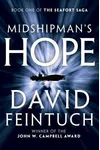
- Midshipman's Hope (1994)
- Challenger's Hope (1995)
- Prisoner's Hope (1995)
- Fisherman's Hope (1996)
- Voices of Hope (1996)
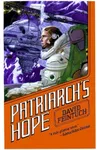
- Patriarch's Hope (1999)
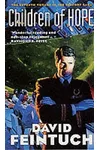
- Children of Hope (2001)
Understanding the Narrative Shift: Can You Skip Any Books?
While the first four books strictly follow Nicholas Seafort's first-person perspective as he climbs the ranks of the United Nations Naval Service (UNNS), the latter half of the series introduces stylistic and perspective shifts that catch some readers off guard:
- Voices of Hope (Book 5): This novel deviates from the standard single-perspective structure. Instead, it is told from multiple viewpoints, including Nicholas's son, Philip (PT) Seafort, and a street youth named Pook. It focuses heavily on the societal degradation of Earth's "transpops" (marginalized citizens in the undercities of New York). Some readers are tempted to skip this book because of the perspective shift, but it is critical for understanding the political landscape and Nicholas’s domestic challenges in the subsequent novels.
- Children of Hope (Book 7): The final published novel shifts the first-person narration entirely to 14-year-old Randy Carr, the son of Nicholas’s late friend Derek Carr. Randy begins the novel harboring deep resentment toward Nicholas, blaming him for his father's death. This book acts as a coming-of-age story that offers an external look at Nicholas Seafort as an older, hardened leader, while wrapping up the overarching conflict with the mysterious, fish-like alien threat. Skipping it means missing the resolution of the series.
What to Know Before You Start: Tone and Themes
The Seafort Saga is famously inspired by C.S. Forester's classic Horatio Hornblower maritime novels, transplanting the high-seas naval hierarchy, rigid discipline, and psychological torment of command into a 22nd-century interstellar setting. Before diving in, readers should prepare for a unique tone:
- The Weight of Command: Nicholas Seafort is a highly polarizing protagonist. He is deeply religious, strictly bound by his oath of duty, and plagued by overwhelming guilt and self-doubt. The series focuses less on glamorous space battles and more on the harrowing moral compromises and psychological trauma of leadership.
- A Strict Theocratic Society: The setting is a future where the United Nations is heavily influenced by a conservative, Christian-dominated social order. This leads to rigid class divides, particularly between naval officers and the impoverished "transpops" on Earth.
- The Alien Threat: The external conflict features predatory, translucent alien creatures colloquially referred to as "the Fish." Unlike standard sci-fi enemies, they are eerie, deeply biological, and difficult to comprehend.
The Legacy of David Feintuch and the Unpublished Eighth Book
David Feintuch came to writing later in life, publishing Midshipman's Hope at the age of 50. His debut was met with critical acclaim, earning him the prestigious John W. Campbell Award for Best New Writer in 1996.
Feintuch had planned to continue the saga, officially announcing an eighth novel titled Galahad's Hope. Sadly, his death in 2006 left the manuscript unpublished and the series permanently unfinished at seven books. While the ending of Children of Hope wraps up the primary storylines, readers should go in knowing that some character arcs were intended to continue.
Spin-offs and Other Works by the Author
There are no direct spin-off series, companion anthologies, or short stories set in the Seafort Saga universe. However, fans of Feintuch’s writing style can check out his only other completed project: Rodrigo of Caledon. This is a medieval fantasy duology focusing on a rebellious prince's growth and trials. The series consists of:
- The Still (1997)
- The King (2002)
Though set in a completely different genre, it carries the same thematic focus on character growth, moral trials, and the heavy burdens of power that defined Nicholas Seafort’s journey.