
The Recommended Reading Order
For readers diving into Catherine Coulter’s Night Trilogy, the reading order is straightforward. The publication order aligns perfectly with the chronological progression of the characters' lives. To experience the relationships, character growth, and cameos as the author intended, you should read the books in this exact sequence:
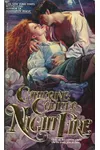
- Night Fire (1989) – Set in Regency-era England, introducing Arielle Leslie and Burke Drummond.
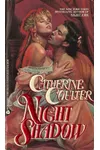
- Night Shadow (1989) – Set in England, focusing on Knight Winthrop and Lily.
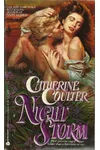
- Night Storm (1990) – Shifting the setting to Baltimore, Maryland, following Genny Paxton and Alec Carrick.
By following this path, you will witness the evolution of a close-knit circle of friends. Knight Winthrop and Alec Carrick are both introduced in the first book, Night Fire, making their subsequent transitions to protagonists in their own novels feel natural and rewarding. The trilogy also transitions geographically, moving from the rigid aristocratic drawing rooms of Regency England to the bustling shipyards of early America, reflecting the characters' search for personal freedom.
An In-Depth Look at the Books
Night Fire (1989)
The trilogy begins with a powerful story of survival and redemption. Night Fire follows Arielle Leslie, a young girl who was forced into a nightmarish, abusive marriage with a cruel older man, Paisley Cochrane. When Cochrane dies, Arielle is left free but deeply traumatized, struggling with severe emotional scars and a fear of intimacy. Enter Burke Drummond, the Earl of Ravensworth. Having loved Arielle from afar for years, Burke returns from the Napoleonic Wars determined to win her trust. Unlike the overbearing alpha heroes common in late-1980s romance, Burke stands out as a patient, kind protector who works slowly to help Arielle heal. While the book contains heavy themes related to past marital abuse, it balances the darkness with a tender love story and humorous interactions, establishing the emotional blueprint for the rest of the trilogy.
Night Shadow (1989)
The second installment, Night Shadow, shifts focus to Knight Winthrop, Viscount Castlerosse. Introduced in the first book as Burke Drummond's charming, fiercely independent bachelor friend, Knight is determined to keep his lifestyle free of marital complications. His resolve is shattered when Lily arrives on his doorstep. Lily claims to be the widow of Knight's recently murdered cousin, Tristan Winthrop. She is destitute and accompanied by Tristan's three children: Laura Beth, Sam, and Theo. To make matters worse, they are fleeing a dangerous, villainous figure known as "Ugly Arnold". Thrust into unexpected fatherhood and domestic chaos, Knight must step up to protect Lily and the children. This novel leans heavily into family dynamics and witty banter, offering a lighter, more comedic tone compared to the heavy themes of the first book, while still delivering a satisfying romance.
Night Storm (1990)
The final book, Night Storm, moves across the Atlantic to Baltimore, Maryland. Genny Paxton is a spirited woman who has taken over her father's shipyard after his heart attack and the untimely death of her brother. To operate successfully in a heavily male-dominated industry, Genny disguises herself as "Eugene" Paxton. Alec Carrick, Baron Sherard—another close friend of Burke Drummond who first appeared in Night Fire—arrives in Baltimore intending to buy out or merge with the Paxton shipyard. Alec quickly uncovers Genny's disguise, triggering a passionate battle of wits. Genny fiercely guards her independence, fearing that giving in to her attraction to Alec will mean sacrificing the freedom she fought for. The story is enriched by the presence of Alec's five-year-old daughter, Hallie, adding warmth to the high-stakes corporate and romantic conflict. It is a fittingly turbulent and dramatic conclusion to the trilogy.
Character Connections and Shared Universe
Although the Night Trilogy is relatively short, it is tied together by strong character continuity. The primary narrative thread is the friendship between the three male protagonists: Burke, Knight, and Alec. Because Knight and Alec are active participants in the events of Night Fire, readers get a preview of their personalities and flaws before they become the central focus of their respective books. While Catherine Coulter is famous for her massive, interconnected series like the Sherbrooke Brides and her contemporary FBI Thrillers, the Night Trilogy stands alone. It does not share a universe or characters with her other historical series, making it an excellent, low-commitment entry point for readers new to her historical romance catalog.
What to Know Before You Start
Before diving into the Night Trilogy, there are a few important considerations for modern readers. Written in the late 1980s and early 1990s, the books contain elements characteristic of the "bodice-ripper" era of romance fiction, including high drama, intense declarations, and complex gender dynamics. Night Fire deals explicitly with the trauma of domestic abuse and marital rape, which may require reader caution. However, Coulter handles the recovery with sensitivity, showing Arielle's gradual return to agency. Additionally, readers should note that later reissues of the trilogy feature updated cover art but minimal text changes. Coulter has clarified that she did not perform major rewrites of these stories; instead, they were lightly polished to clean up the prose for new editions, leaving the original plots and character arcs intact.
Can the Books Be Read as Standalones?
Technically, each novel in the Night Trilogy features a self-contained romance with a clear resolution, meaning you could read them out of order without being completely lost. However, doing so is not recommended. The character relationships and the camaraderie between Burke, Knight, and Alec are developed sequentially. Reading Night Shadow or Night Storm first will spoil key character dynamics and secondary plotlines from Night Fire. To fully appreciate the growth of the characters and the recurring references to their shared history, it is highly recommended to stick to the publication order.