
The Recommended Reading Order for Night Warriors
For the best experience, the Night Warriors series should be read in chronological order, which matches its publication order. Because each book builds on the lore of the dream world and tracks the evolution of the warriors, jumping in mid-series can leave readers feeling lost in a surreal landscape of bizarre logic. Here is the recommended path through Graham Masterton's dream-walking nightmare:
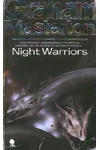
- Night Warriors (1986): The novel that started it all. We meet the original group of dream-walking defenders—including Susan, Henry, and Gil—who are recruited by the mysterious Springer to stop a demonic force hidden inside a young girl on a California beach.
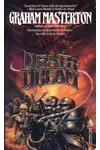
- Death Dream (1988): The warriors return to face a terrifying threat known as the Shadow Creature, which feeds on human fears and is capable of killing people in their sleep.
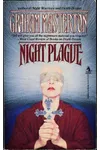
- Night Plague (1991): A viral nightmare sweeps across the population, corrupting the dreamscape and weaponizing human subconsciousness. The remaining warriors must push their powers to the absolute limit.
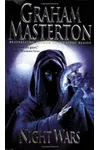
- Night Wars (2006): After a fifteen-year publishing hiatus, Masterton returned to the series. In this installment, the battle expands as the warriors face new threats, blending elements of science fiction with traditional supernatural horror.
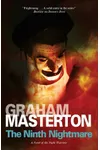
- The Ninth Nightmare (2011): The final book in the series pits a new generation of warriors against a bizarre and horrific threat: an evil monk running a nightmarish, demonic freak show.
Publication Order vs. Chronological Order
Fortunately, keeping track of this series is straightforward. There are no prequel novels, short stories, or parallel timelines to navigate. The internal chronological timeline flows directly from the first book to the fifth, mirroring the real-world publication order. Here is the publication sequence:
- Night Warriors (Tor Books, 1986)
- Death Dream (Tor Books, 1988)
- Night Plague (St. Martin's Press, 1991)
- Night Wars (Severn House, 2006)
- The Ninth Nightmare (Severn House, 2011)
While the first three books feel like a tightly-knit trilogy deeply rooted in late 1980s and early 1990s horror aesthetics, the gap before Night Wars in 2006 introduces modern elements and slightly adjusts the tone. Despite this shift, the narrative continuation means the reading order remains unchanged.
What to Know Before You Start
Graham Masterton is famous for writing uncompromising, visceral horror, and the Night Warriors series is no exception. Before diving into the dreamscape, there are a few stylistic and thematic elements that readers should keep in mind:
The Mechanics of the Dream World: Unlike typical fantasy magic, the dreamscape in these books behaves with surreal, nightmare-like logic. Rules can shift, and the weapons the warriors use are manifested from their own minds and ancestry, leading to highly imaginative, sometimes bizarre combat sequences (including DNA-altering weapons and prismatic helmets).
Gore and Mature Themes: Masterton does not shy away from extreme violence, body horror, and taboo themes. Sensitive readers should be prepared for intense descriptions of physical trauma and sexual violence, which serve as markers of the demonic entities' absolute malice.
No Crossovers or Spin-Offs: Although Masterton has created other popular horror universes, such as The Manitou (featuring Harry Erskine) or the Jim Rook series, the Night Warriors universe is entirely self-contained. You do not need to read any of Masterton's other novels to fully appreciate the story.
Practical Reading Advice
Can the books be read as standalones? Generally, no. While each book features a self-contained conflict with a specific demonic force, the overarching mythology, character relationships, and the rules of the dreamscape develop continuously. Reading Night Wars or The Ninth Nightmare without the context of the first three books will likely leave you confused about the origins of the warriors and the nature of their ancient enemy.
Where is the best starting point? Without a doubt, you should start with the original 1986 novel, Night Warriors. It introduces the core concepts of the series, the role of the dream-walkers, and the mentor figure Springer. It sets a perfect baseline for the escalated threats that appear in the sequels.
Tone Shift Notice: Be prepared for a change in atmosphere when you reach the fourth book, Night Wars. Written over a decade after the third book, it incorporates more sci-fi concepts and a slightly faster pace, reflecting the evolution of the horror genre in the early 2000s. However, it still maintains the core premise of ordinary people fighting extraordinary evils in the sleep state.