
The Recommended Reading Order for the North Florida Trilogy
The North Florida Trilogy is a collaborative mystery series that transport readers to the lesser-explored shores, swamps, and small towns of Florida's Gulf Coast during the 1980s. To get the most out of the series, readers should follow the order in which the books were published. Although the mysteries in each book are self-contained, a recurring character's background and personal growth connect the three novels, making a sequential read highly rewarding.
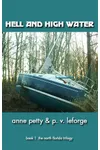
- Hell and High Water (2011)
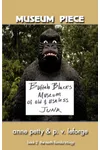
- Museum Piece (2013)
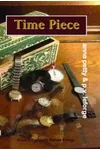
- Time Piece (2014)
Why the Order Matters: The Evolution of Melanie Truslow
While each book in the North Florida Trilogy features a different primary setting and a unique protagonist, they are subtly tied together by a shared universe and a single character who appears in all three volumes: Melanie Truslow. Tracking her journey is the main reason why reading the trilogy in order is highly recommended by fans of the series.
In the first book, Hell and High Water, Melanie plays a minor, brief role in the background. By the time the second book, Museum Piece, begins, she steps into a more prominent secondary role, becoming integral to the unfolding investigation. Finally, in the third book, Time Piece, Melanie takes center stage as the point-of-view protagonist, where her family history and personal reckonings drive the final mystery. Watching her grow from a background figure to the lead character provides a satisfying narrative arc that is lost if the books are read out of order.
The North Florida Trilogy Book-by-Book Breakdown
1. Hell and High Water (2011)
The trilogy opens in Tate’s Hammock, a fictional, remote coastal town in North Florida. The story centers on Carla Conway, a resilient shrimpboat captain navigating personal turmoil and the sudden death of her former nanny, a respected local root doctor. Carla refuses to accept the official ruling of accidental death and begins digging into the town's secrets. Her investigation leads her to local folklore, legends of a long-dead volcano, runaway slave history, and shape-shifting myths. The book establishes the series' signature blend of realistic grit, local legends, and slow-burn suspense.
2. Museum Piece (2013)
The second book shifts focus to the Panama City area. It introduces Vicky Rankin, a newly minted private investigator, who gets drawn into a bizarre case involving the local Rankin family museum. The museum's creaking boards and eccentric proprietor hide dark secrets that go back generations. As Vicky attempts to untangle the web of ghostly laughter, missing artifacts, and historical cover-ups, Melanie Truslow assists in a secondary capacity, setting the stage for her own spotlight in the next book.
3. Time Piece (2014)
The final chapter takes place in Pensacola and centers entirely on Melanie Truslow. After her estranged father—a former French military officer who served in Vietnam—drowns under mysterious circumstances in the Gulf, Melanie inherits his massive, haunted-feeling house. In the basement, she discovers a collection of bizarre clues, including chicken bones, cigarette butts, and old video tapes. With the help of an enigmatic journalist named Alexandre Metraux, Melanie pieces together her father's past and the dark secrets of her family, bringing the trilogy to a haunting conclusion.
What to Know Before You Start
Before diving into the North Florida Trilogy, there are a few unique aspects of the series to keep in mind:
- A Collaborative Effort: The series was co-written by Florida native P.V. LeForge and dark fantasy author/Tolkien scholar Anne C. Petty. Petty passed away in 2013, shortly after completing her final review of the manuscript for Time Piece, making the third book the final collaboration between the two authors.
- Southern Gothic Sensibility: This is not a fast-paced, action-heavy thriller series. Instead, it relies heavily on atmosphere, local folklore, the natural environment of the Florida marshes, and character-driven suspense.
- The 1980s Setting: The setting is crucial to the series' tone. Writing about the 1980s allowed the authors to capture a transitional era in Florida's history, before massive modern development changed the character of its rural towns and coastal communities.
- Avoid Confusion: Do not confuse this series with Eugenia Price's historical "Florida Trilogy," which is an entirely separate series set in the 19th century.