
Where to Begin Your Journey Down the Yellow Brick Road
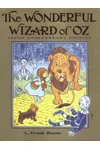
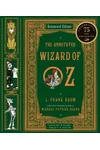
For almost all readers, the absolute best place to start is the 1900 classic, The Wonderful Wizard of Oz. It establishes the rules of the universe, introduces iconic companions like the Scarecrow, Tin Woodman, and Cowardly Lion, and sets the whimsical, gently satirical tone of the series. Reading the books in their original publication order is highly recommended, as L. Frank Baum built continuity progressively, introducing characters in early volumes who go on to become central figures in later installments.
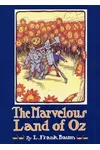
If you find the style of the first book a bit simple or are already deeply familiar with it from adaptations, you can technically start with The Marvelous Land of Oz (1904) or Ozma of Oz (1907). However, because Baum gradually constructs a persistent, shared fantasy world, jumping ahead can make the sudden appearances of characters like Hungry Tiger, Billina, or the Nome King feel jarring.
The Core L. Frank Baum Canon (14 Books)
L. Frank Baum wrote 14 core Oz novels during his lifetime. These books represent the foundation of the mythos and should ideally be read in the order they were published:
- The Wonderful Wizard of Oz (1900) - The original quest of Dorothy Gale, the Scarecrow, the Tin Woodman, and the Cowardly Lion.
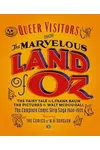
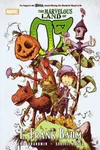
- The Marvelous Land of Oz (1904) - Introduces the young boy Tip, Jack Pumpkinhead, the Sawhorse, and the Woggle-Bug, focusing on the defense of the Emerald City.
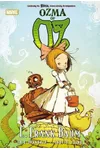
- Ozma of Oz (1907) - Dorothy returns to the fairy lands, shipwrecked with a talking hen named Billina, and meets Tik-Tok, Princess Ozma, and the Nome King.
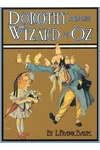
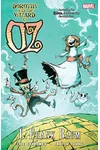
- Dorothy and the Wizard in Oz (1908) - An earthquake sends Dorothy, her cousin Zeb, and the Wizard of Oz down into underground realms.
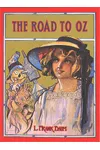
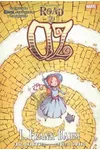
- The Road to Oz (1909) - Dorothy meets the Shaggy Man, Button-Bright, and Polychrome the Rainbow's Daughter as they journey to Ozma's birthday celebration.
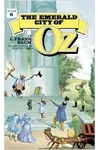
- The Emerald City of Oz (1910) - Intended to be the final book, Baum attempts to close the series by sealing Oz off from the outside world while Uncle Henry and Aunt Em move to the magical kingdom.
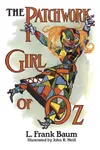
- The Patchwork Girl of Oz (1913) - After fans demanded more stories, Baum reopened the universe, introducing the magical Scraps, the Glass Cat, and Ojo the Unlucky.
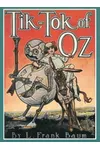
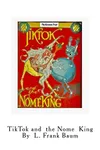
- Tik-Tok of Oz (1914) - Follows Betsy Bobbin of Oklahoma and her mule Hank as they team up with Shaggy Man and Tik-Tok to rescue Shaggy's brother from the Nome King.
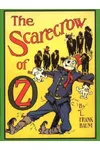
- The Scarecrow of Oz (1915) - Baum's personal favorite, pairing the Scarecrow with Trot and Cap'n Bill to overthrow a cruel king in Jinxland.
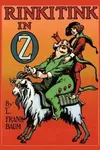
- Rinkitink in Oz (1916) - Prince Inga of Pingaree and King Rinkitink embark on a quest to rescue Inga's parents, with Oz characters appearing late in the book.
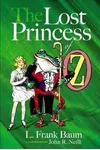
- The Lost Princess of Oz (1917) - A mystery story where Princess Ozma vanishes, prompting search parties to seek her across the entire kingdom.
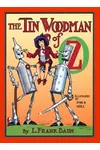
- The Tin Woodman of Oz (1918) - The Tin Woodman and Scarecrow search for the woodman's long-lost love, Nimmie Amee, and learn about his origin.
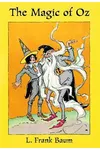
- The Magic of Oz (1919) - Published posthumously, this volume follows the glass cat, the Wizard, and Kiki Aru as they stop a conspiracy to conquer Oz.
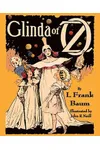
- Glinda of Oz (1920) - Baum's final Oz book, focusing on Dorothy and Ozma as they travel to a remote corner of Oz to resolve a war between the Skeezers and Flatheads.
Short Stories, Comics, and Canonical Side-Quests
Aside from his main novels, Baum penned several short works and spin-offs that flesh out the universe. Knowing where these fit into the timeline can enhance your reading experience:
- Queer Visitors from the Marvelous Land of Oz (1905) - A comic strip written by Baum to promote the second book, showing Oz characters interacting with modern Americans. It is fun but optional, and best read after The Marvelous Land of Oz.
- The Woggle-Bug Book (1905) - A spin-off picture book centering on the Woggle-Bug's adventures in America. It shares a similar tone to the comic strips and is an optional curiosity.
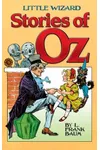
- Little Wizard Stories of Oz (1913) - A collection of six short stories featuring primary characters (such as Tiktok and the Nome King). These were written to rekindle interest in the franchise and are perfect read-aloud stories to enjoy after the first six novels.
Expanding to the "Famous Forty"
For readers who finish Baum's 14 books and still hunger for more adventures, the story does not end there. The original publisher, Reilly & Lee, hired Ruth Plumly Thompson to continue the series. Thompson went on to write 19 Oz books, matching and eventually exceeding Baum's count. Together with later entries by John R. Neill (the original illustrator), Jack Snow, Rachel Cosgrove Payes, and Eloise Jarvis McGraw, these books make up the Famous Forty: the officially recognized, publisher-sanctioned core canon of Oz.
If you choose to venture into the Thompson era, start with The Royal Book of Oz (1921), which follows the Scarecrow on a quest to trace his ancestry. Thompson's books tend to have a lighter, more whimsical tone, filled with wordplay and recurring patterns of lost princes and wandering travelers.
Modern Adaptations: Marvel's Graphic Novels
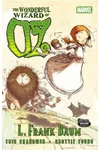
If you prefer a visual medium or want a fresh way to experience Baum's world, Marvel's graphic novel adaptations are highly acclaimed. Written by veteran Oz writer Eric Shanower and illustrated with the kinetic, expressive art of Skottie Young, these adaptations cover the first six books of Baum's series. They follow the exact chronological progression of the original books, from The Wonderful Wizard of Oz through to The Emerald City of Oz, making them a fantastic entry point for younger readers or comic fans.
What to Know Before You Start
If your only exposure to Oz is the legendary 1939 MGM movie starring Judy Garland, you will find some surprising differences in the books. In Baum’s original writing, the Land of Oz is a real, physical place that Dorothy actually visits, rather than a dream sequence. Dorothy's famous slippers are silver, not ruby, and the tone of the novels is less scary and much more focused on lighthearted exploration, strange encounters, and gentle morality. Furthermore, the books show that Oz is divided into distinct, color-coded regions (Munchkin Country is blue, Winkie Country is yellow, Gillikin Country is purple, Quadling Country is red, and the Emerald City is green), which gives the series a structured world-building feel ahead of its time.